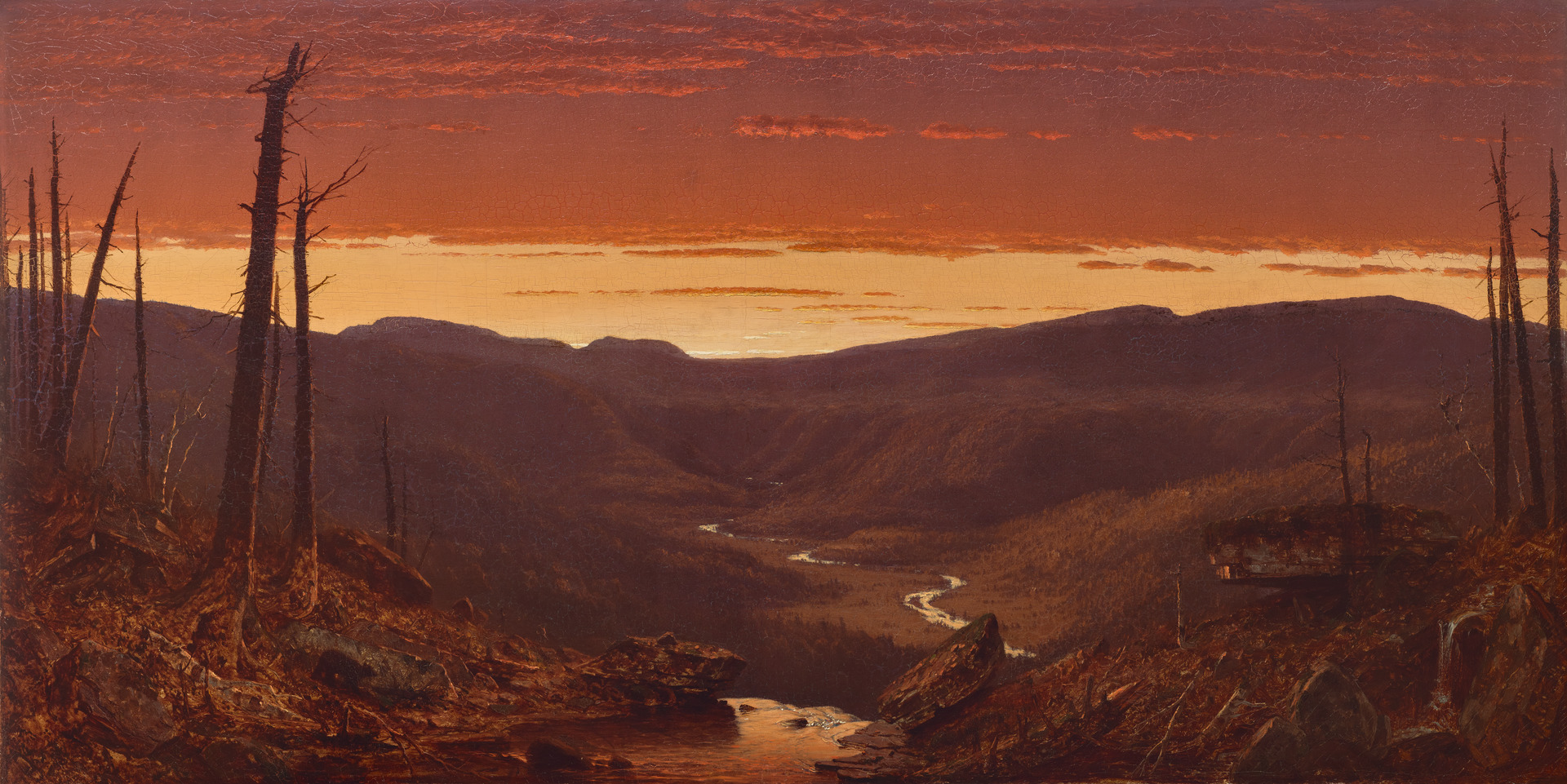
West Camp, and the difference between a project and a migration.
In 1710, three thousand German-speaking Palatines came up the Hudson to make tar for the Royal Navy. That part didn't last. The church they founded has met on the same ground since June 1711 — three hundred and fifteen years.
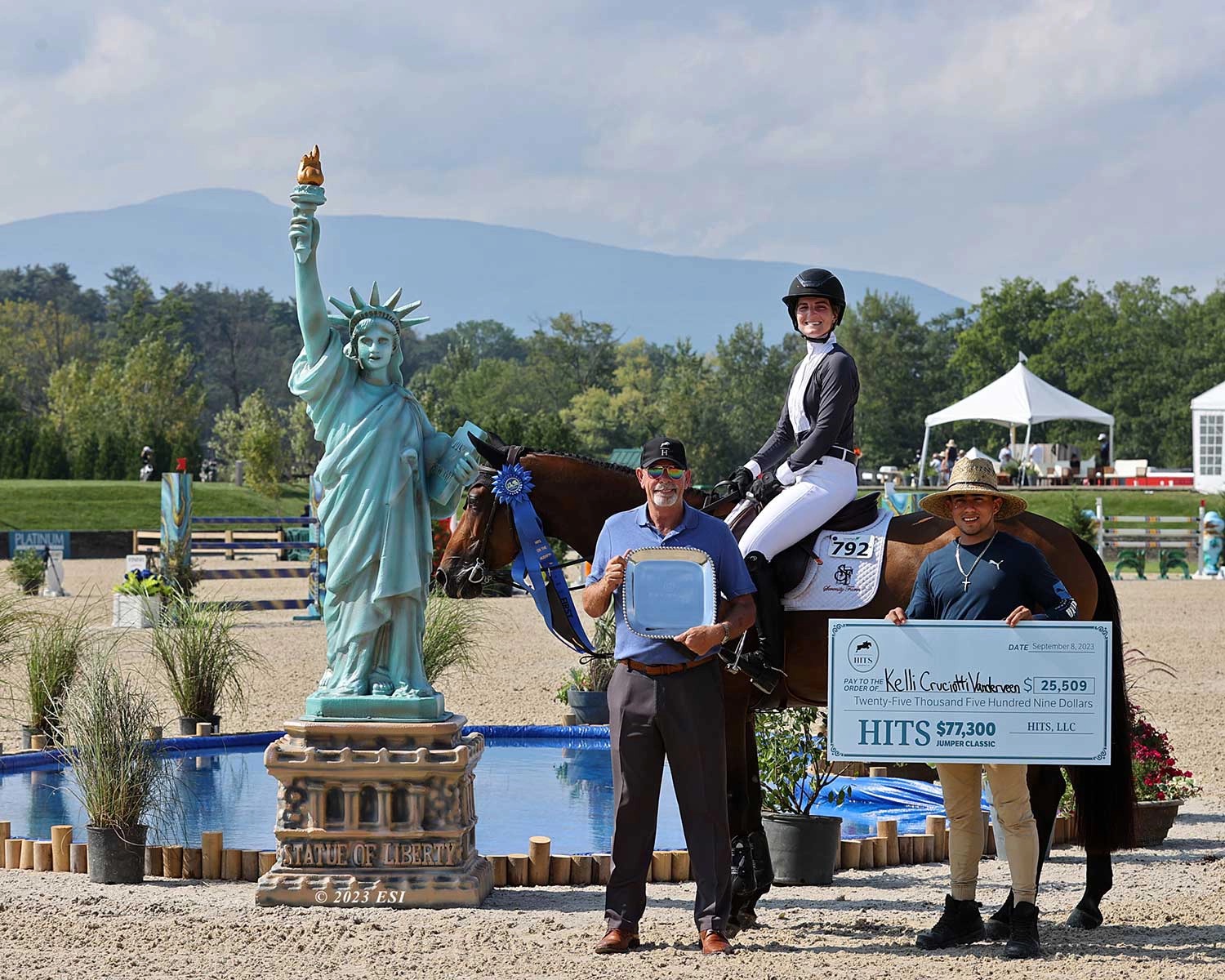
HITS on the Hudson, and the case for the show that made Saugerties a two-season equestrian town.
Two hundred acres, ten rings, eleven weeks a summer. The land is owned by a Woodstock nonprofit that runs a food pantry, a shelter, and a domestic-violence line.
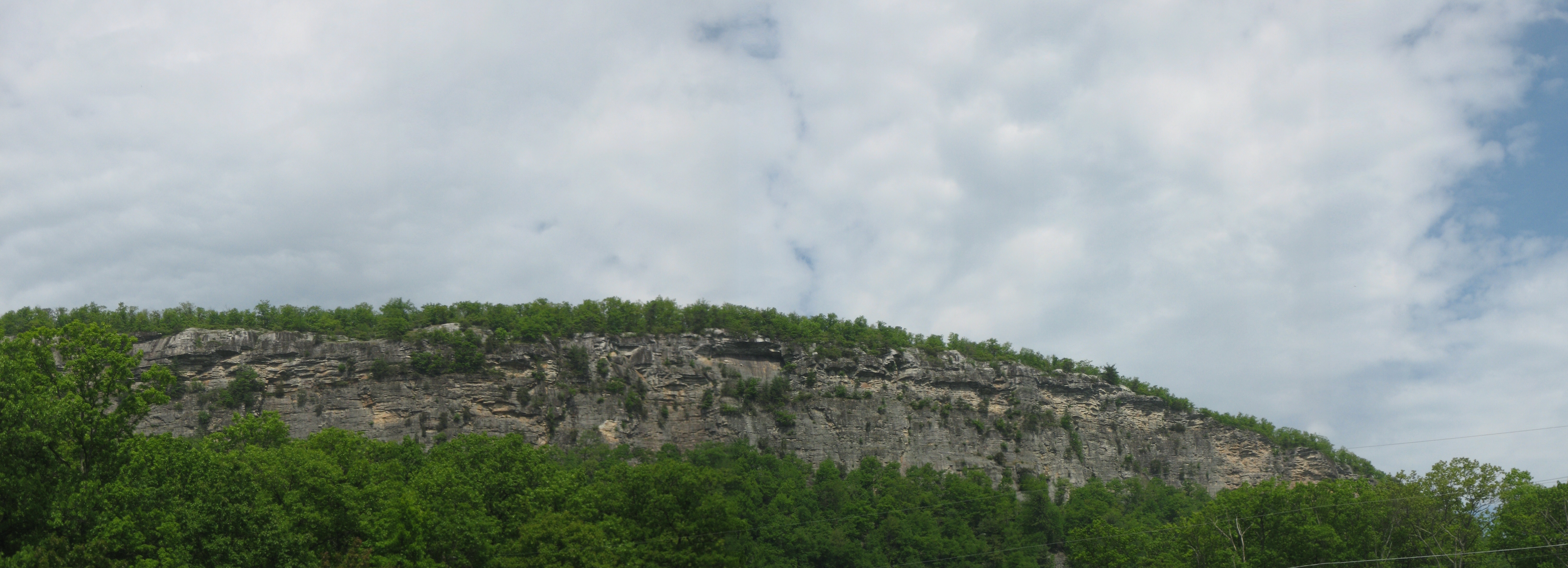
Mohonk Preserve, and the case for the ridge the Smileys would not sell.
Over 8,000 acres. Seventy miles of carriage road. A thousand-plus climbing routes. The largest nonprofit nature preserve in New York State — because a Quaker family engineered an irrevocability into the land.
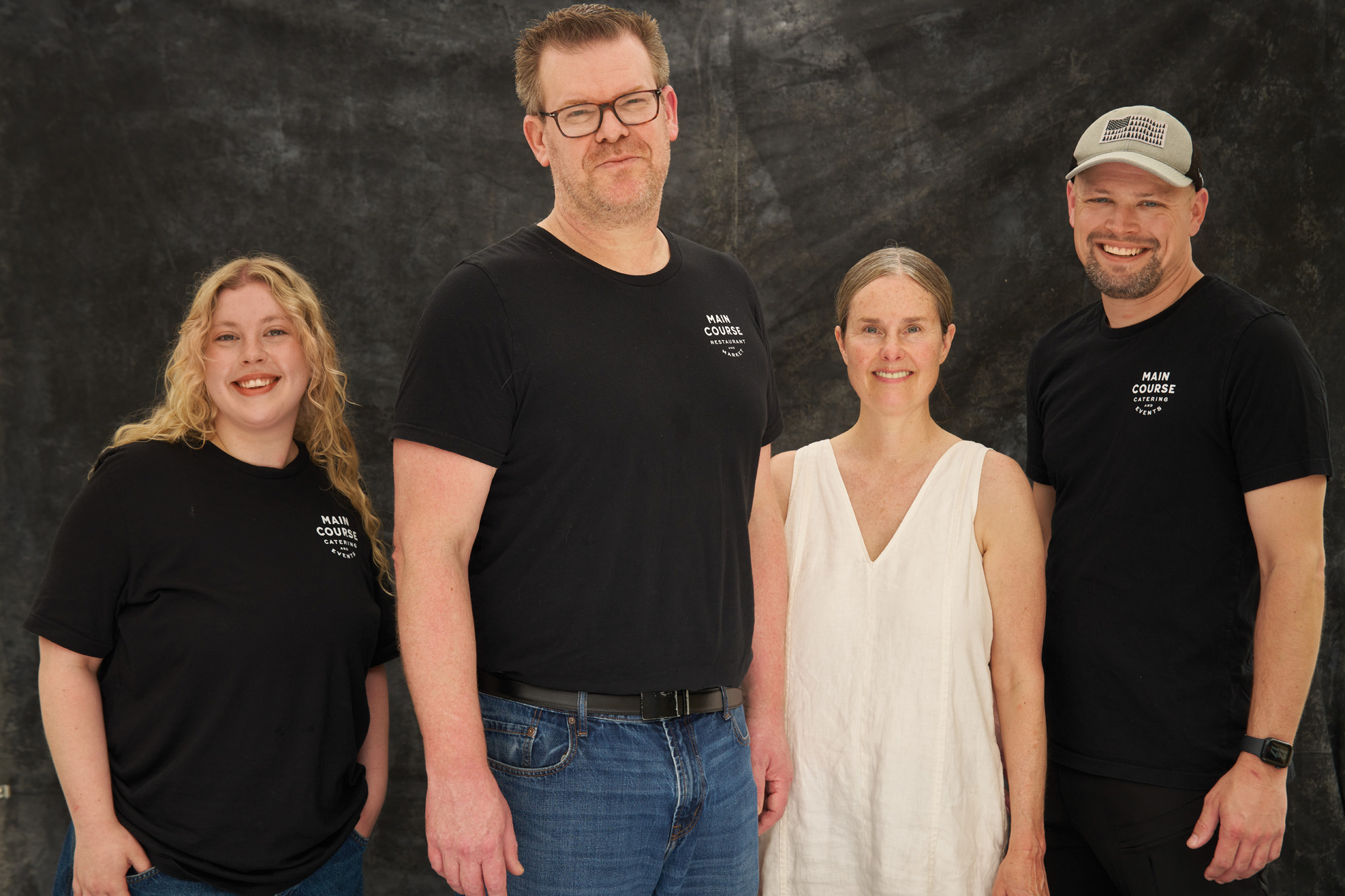
Main Course, and the case for the room that's been at it since 1990.
Bruce Kazan came back from Lincoln Center in 1989 and advertised catering for a year before he had a kitchen. Hudson Valley Magazine's readers have voted them Best Caterer every year since 1994.
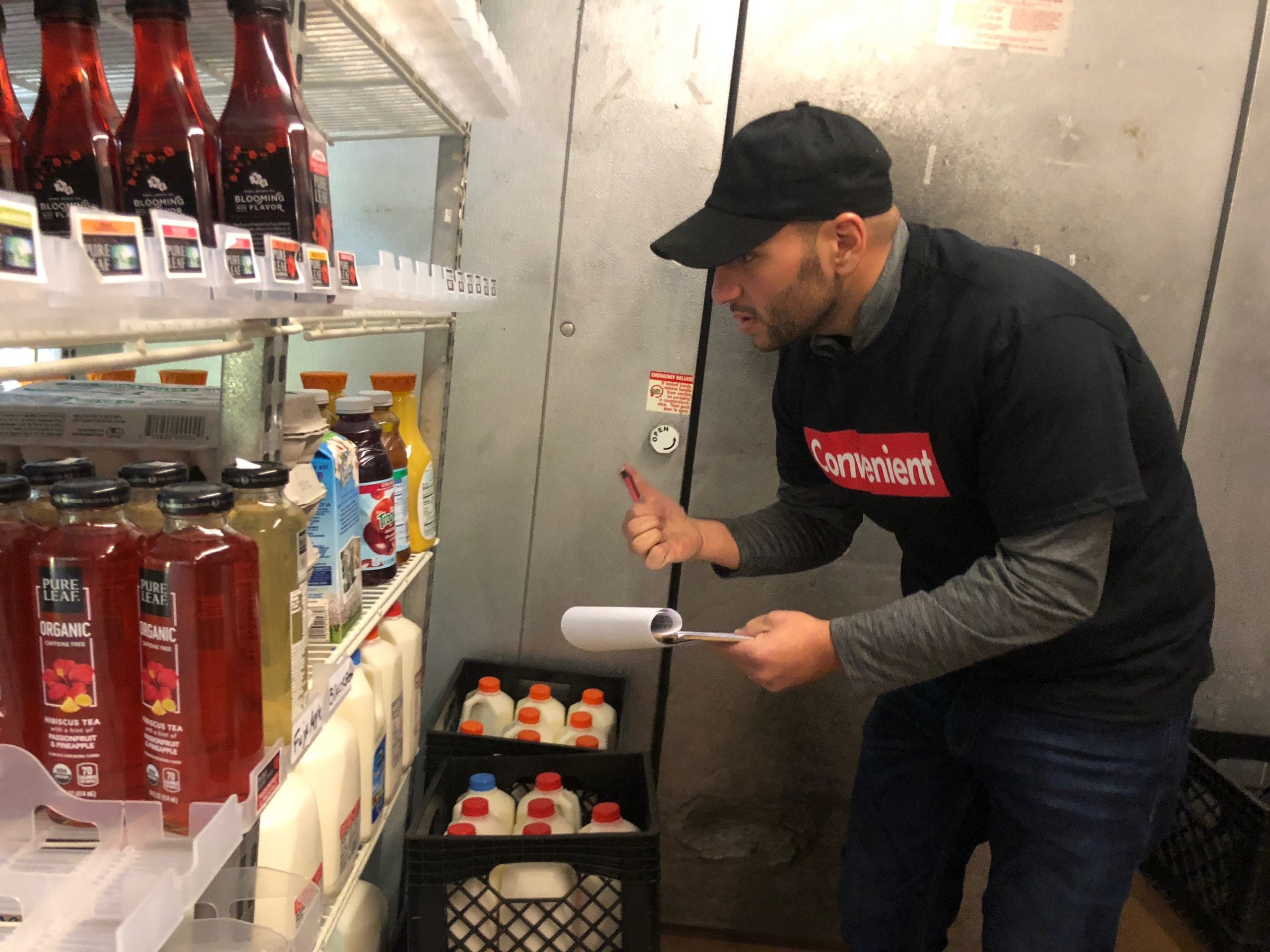
Convenient Deli, and the case for the New Paltz deli.
The corner store at 186 Main. Fifty years, three owners — and every single one of them came to New Paltz first as a student.
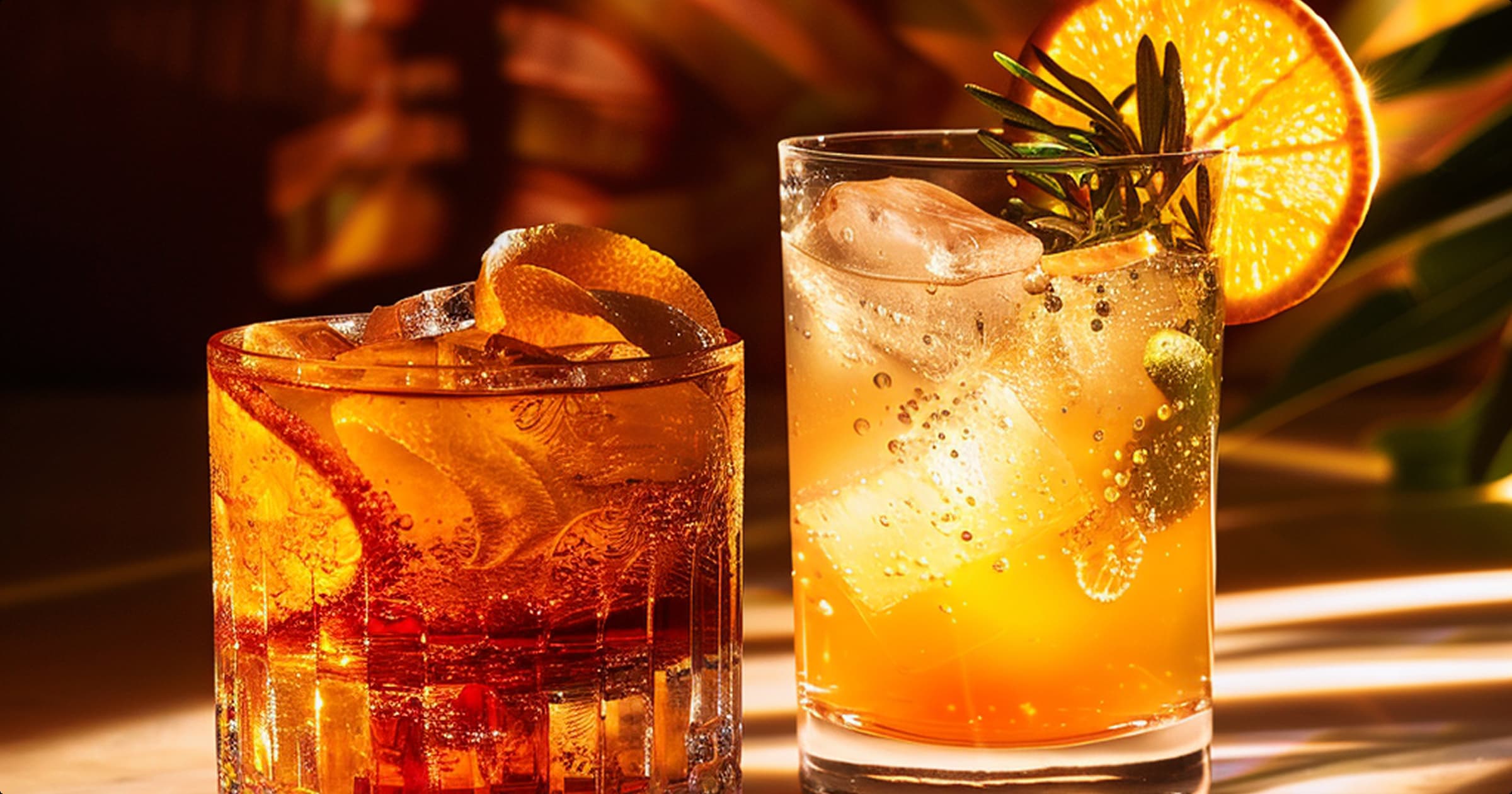
The Wild Kitchen & Bar, and the case for the room that runs twice.
Wild by Day, Wild by Night, an upstairs social club. The team owns its 180-acre Hudson Valley farm, the entire menu is gluten-free, and a one-time Death & Co bartender runs the bar.
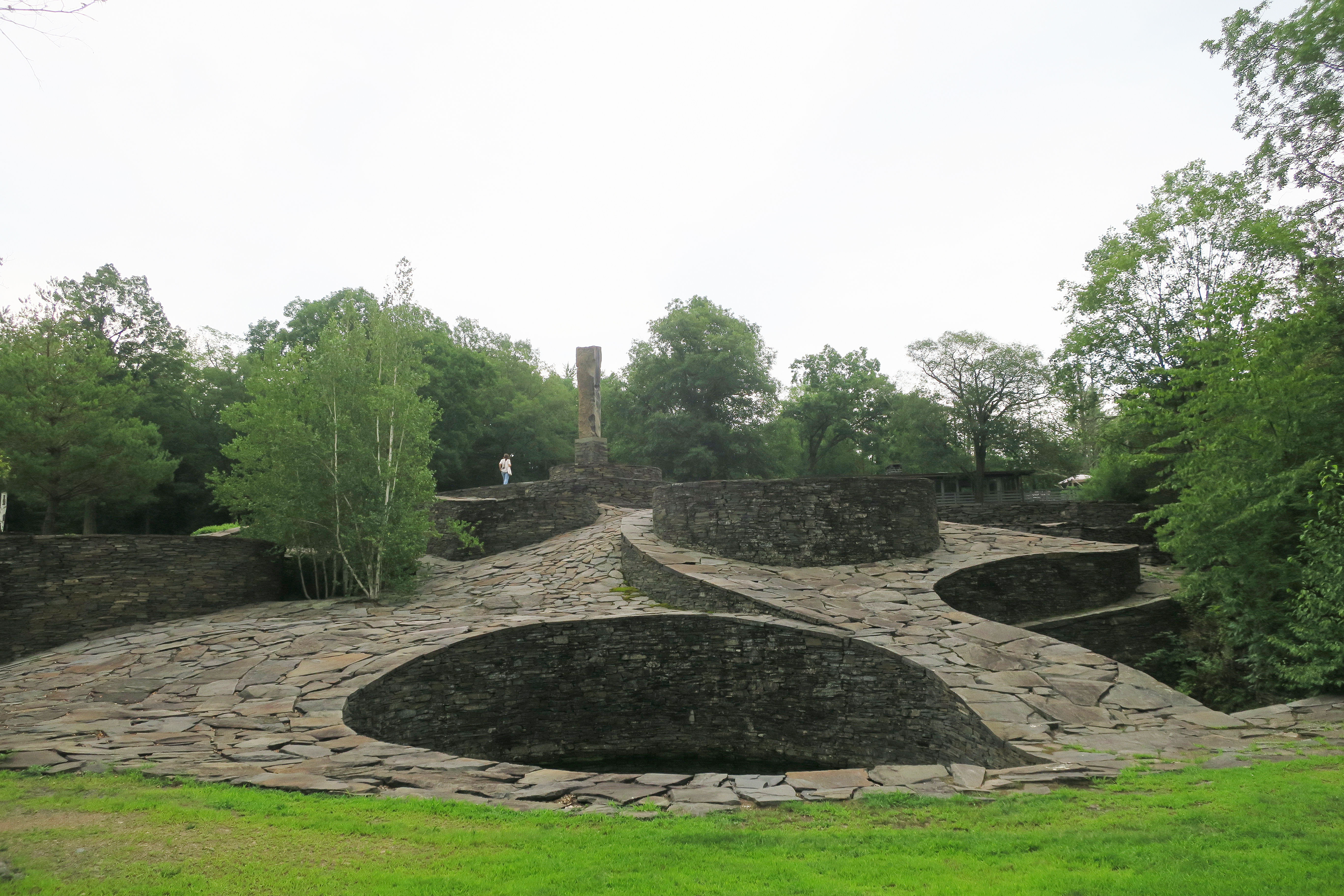
Opus 40, and the case for the pedestal that became the monument.
Harvey Fite spent thirty-seven years dry-laying bluestone on a spent quarry — no mortar, six and a half acres. He built it as a backdrop for his carved figures; when he raised the nine-ton monolith in 1964, the backdrop became the sculpture.
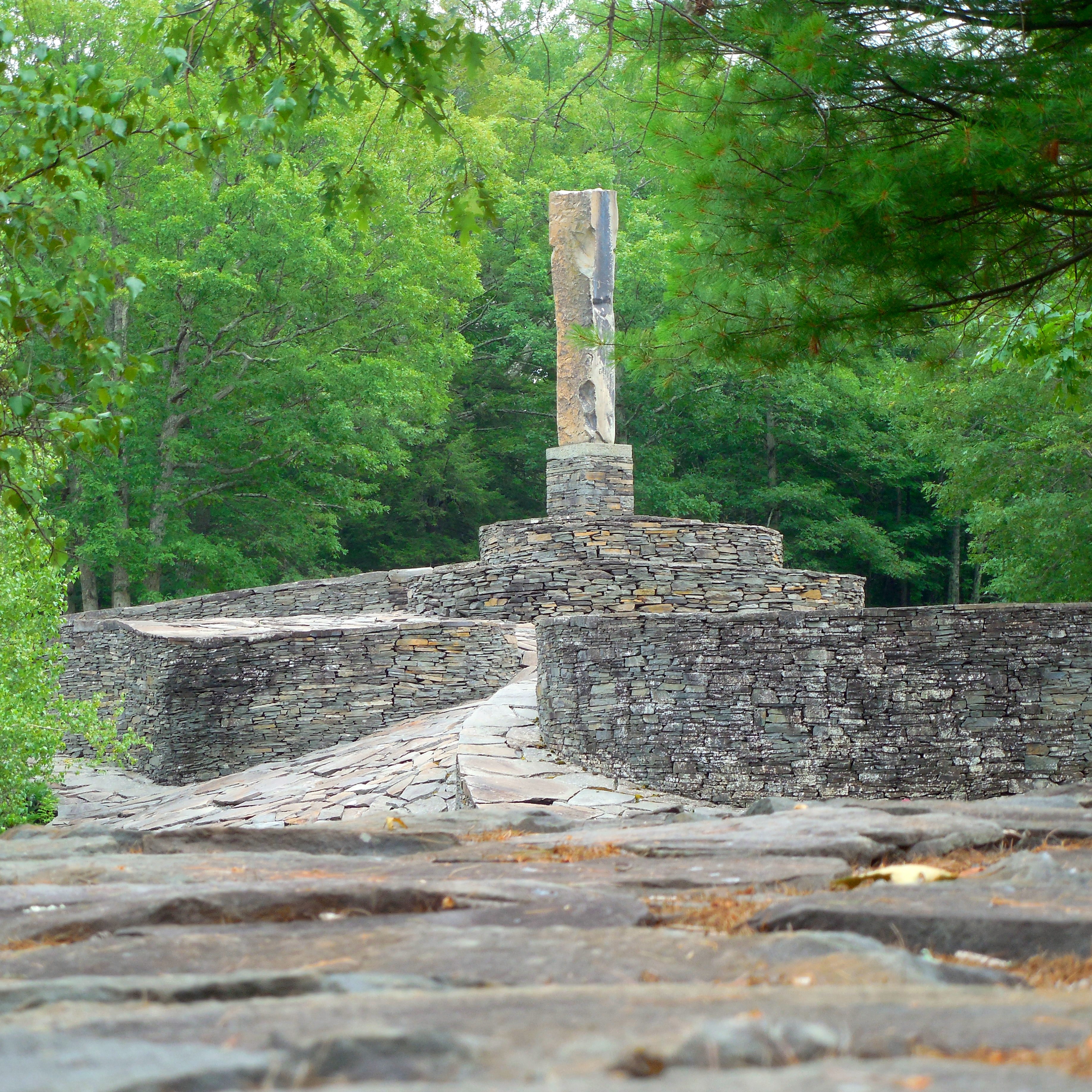
Saugerties, and the case for the town that shipped its own ground.
The bluestone port that paved New York's sidewalks. Then a sculptor turned the leavings into a masterwork. The 1869 lighthouse you hike to. The Garlic Festival.
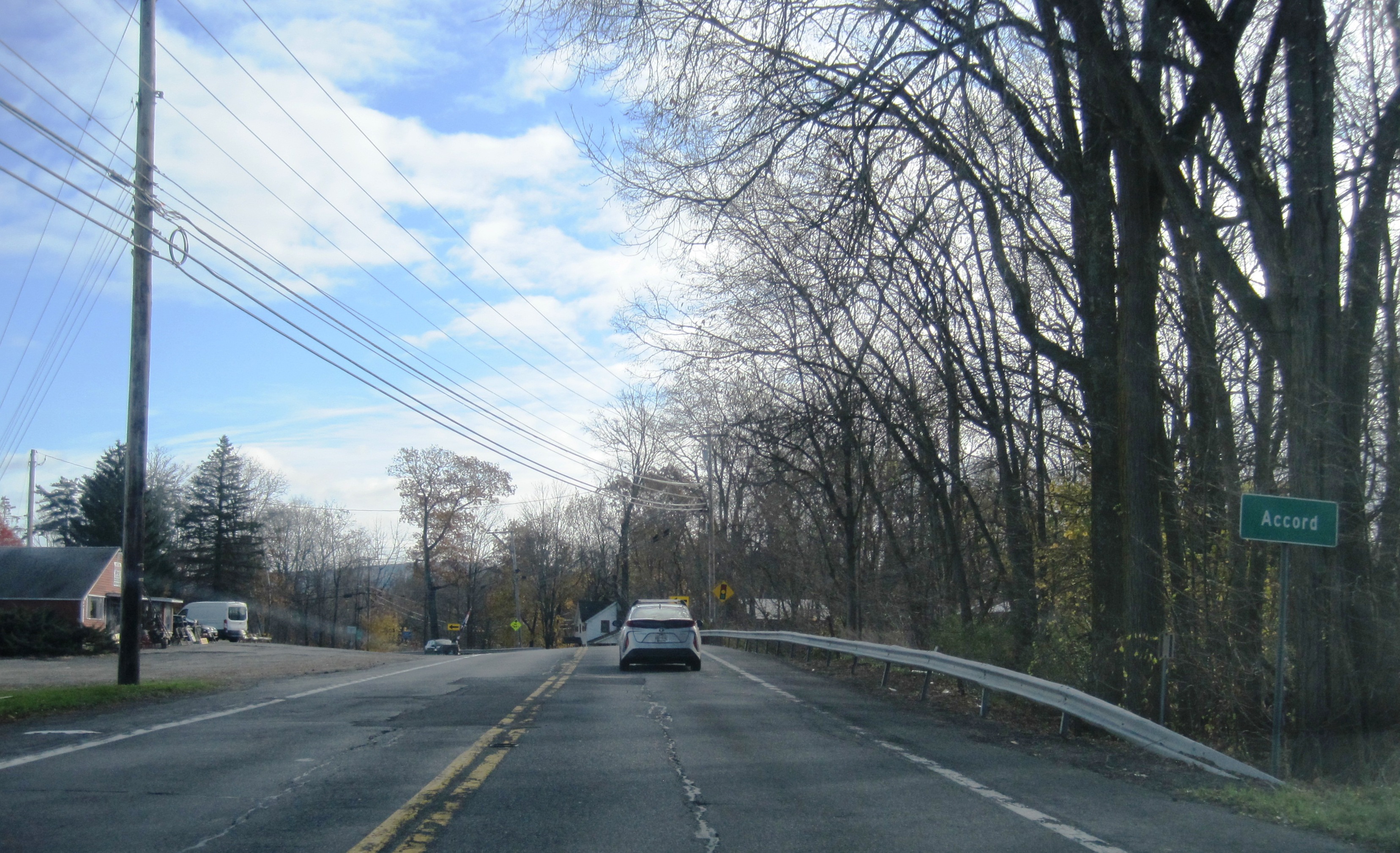
Accord, and the case for the valley floor.
A farm worked since 1680 — eleven generations. A 220-acre resort, an organic cidery, a farm brewery — built with the agriculture, not over it. Backed by 1,200 acres of conservation easements.
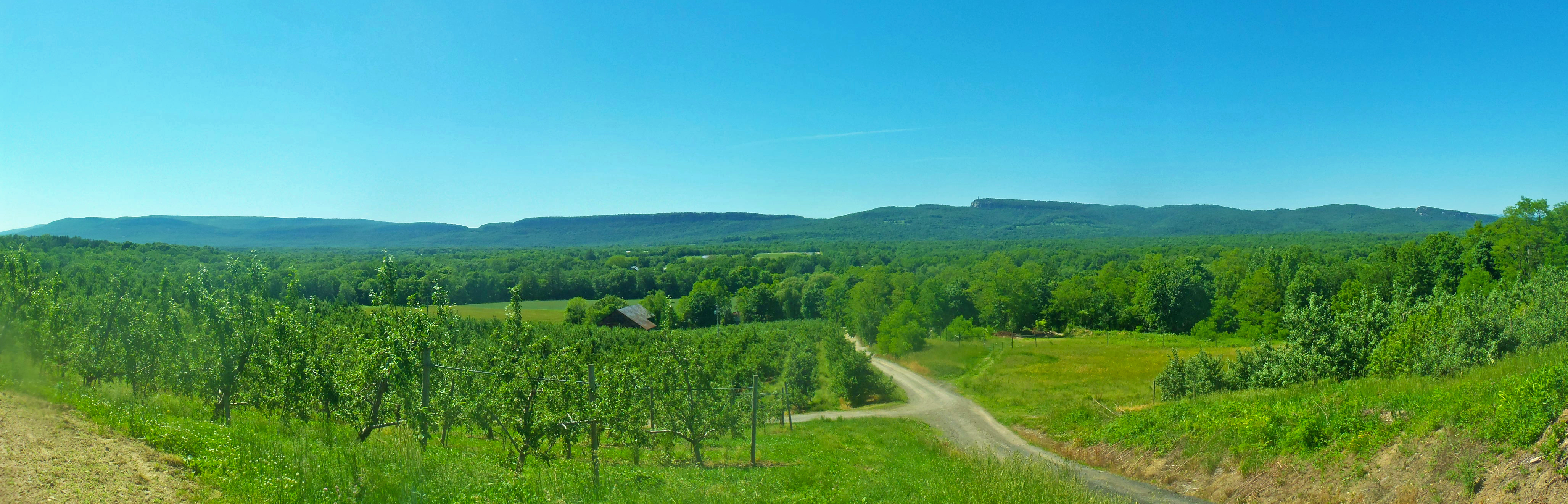
Tweefontein, and the case for tending someone else's dream.
A South African émigré founded a herb farm at the foot of the Gunks in 1982 and died in 2003. A Californian who never met her bought the land in 2014 and kept growing what she'd started.
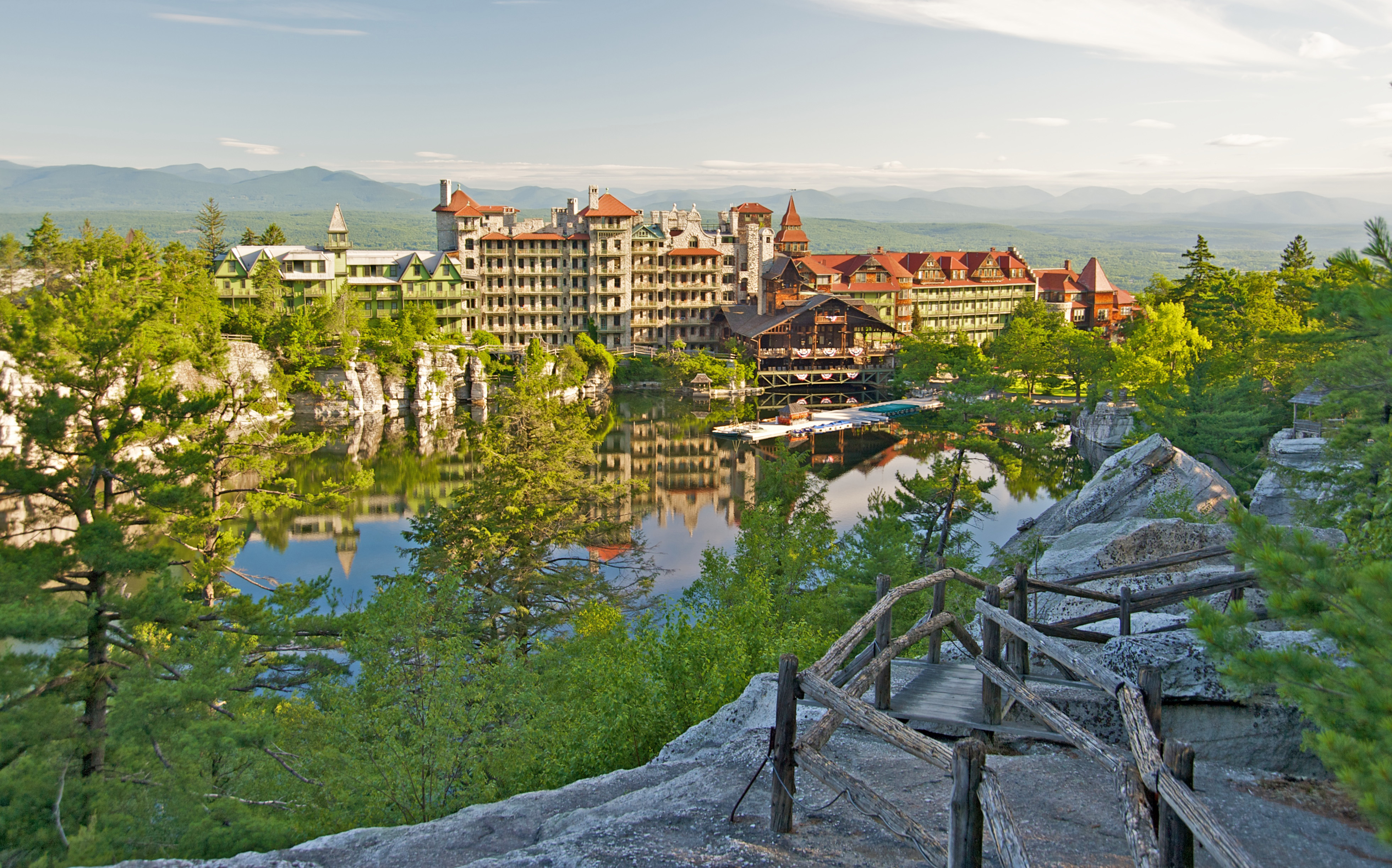
Mohonk Mountain House, and the case for a hotel that protected its view.
Six generations of the Smiley family. A $100 founding gift in 1963 that became 8,200 acres of inalienable preserve. The hotel survived because the surrounding land was made unsellable.
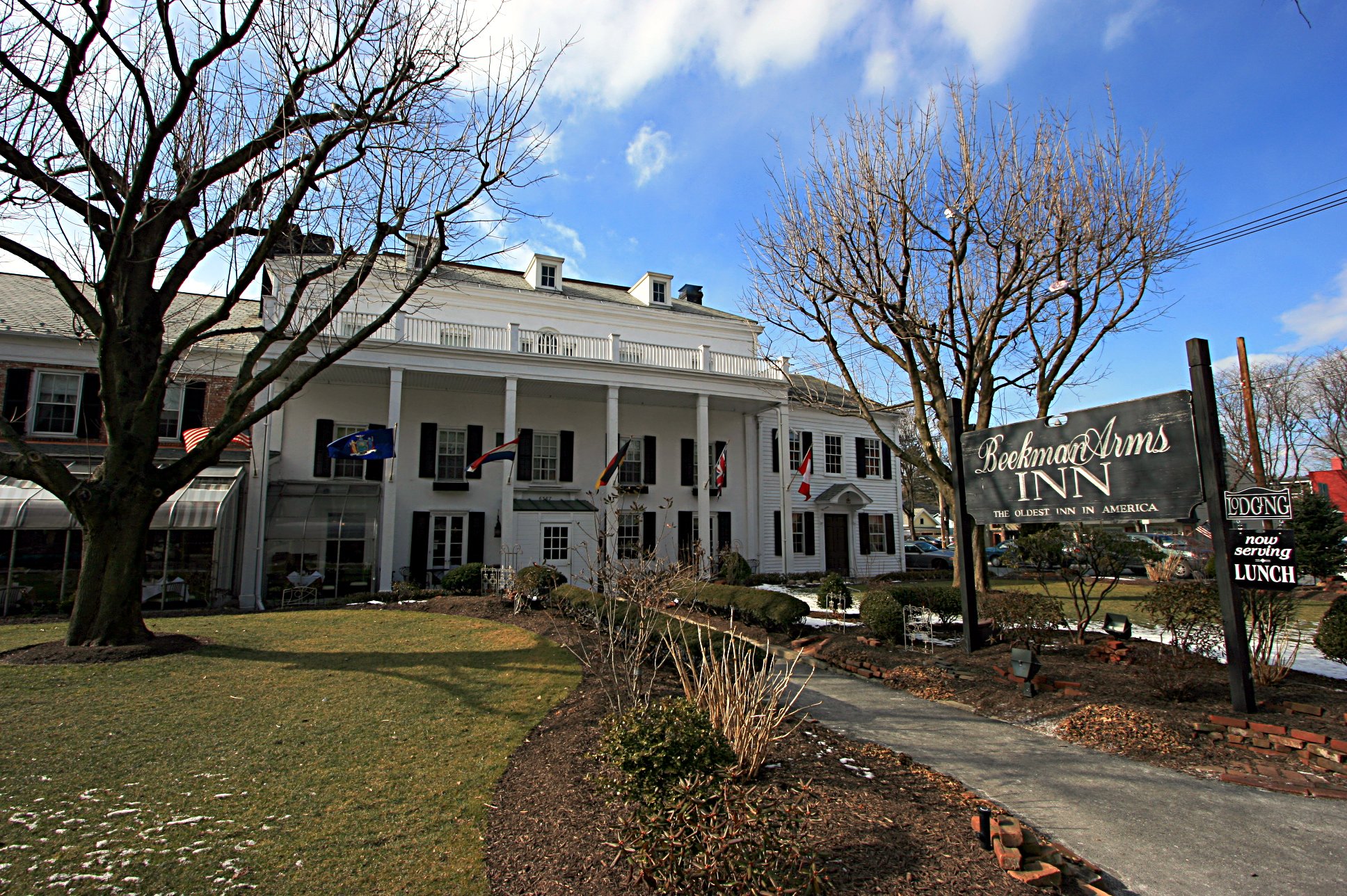
Rhinebeck, and the case for the 1766 inn.
America's oldest continuously operating inn. The village built itself around it. FDR concluded each of his four political campaigns from the front porch.
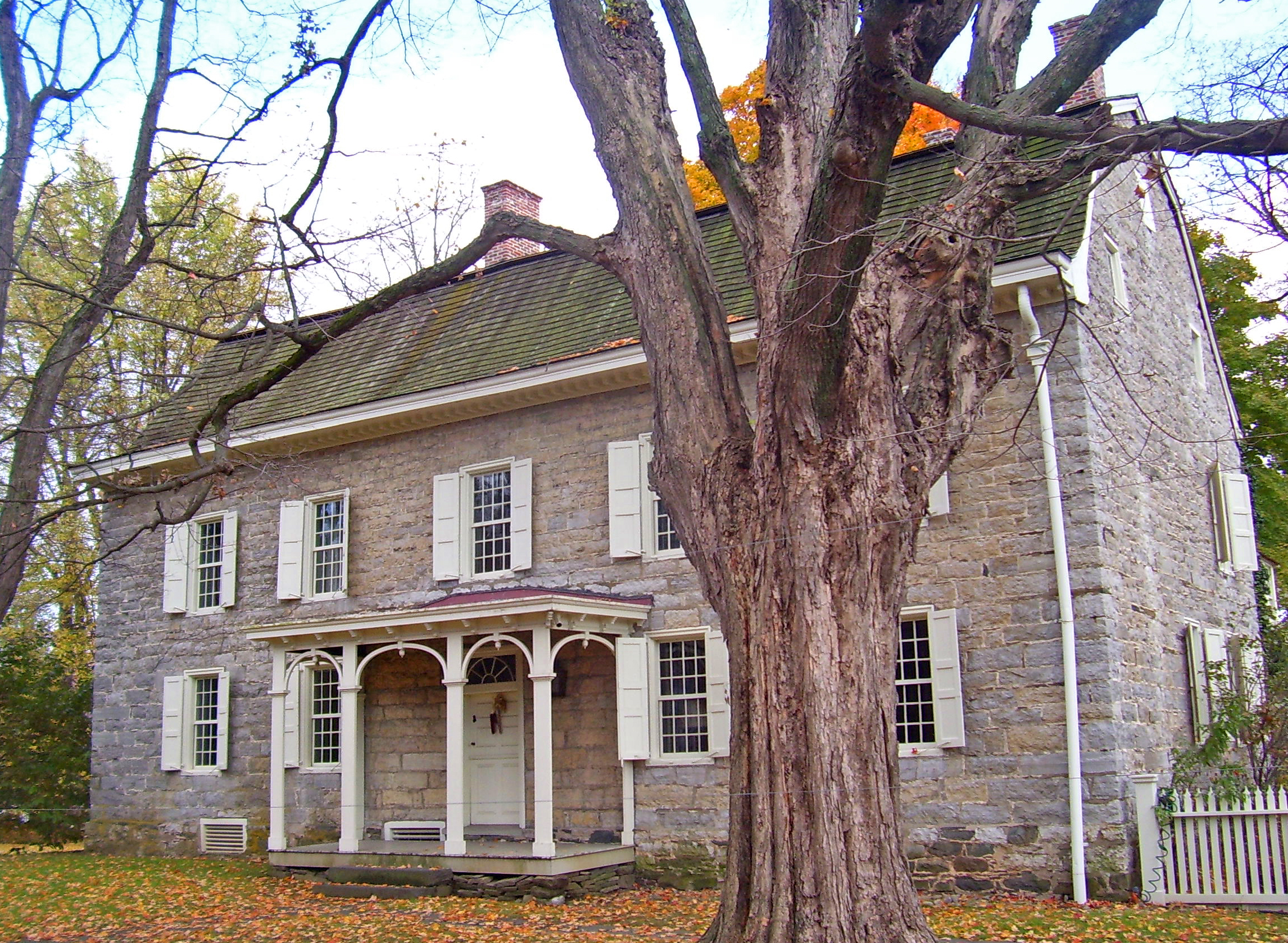
Stone Ridge, and the case for a town built of stone.
The road, the houses, and the town are all the same limestone. Three hundred and sixty years of Dutch stone-house tradition still standing on Route 209.
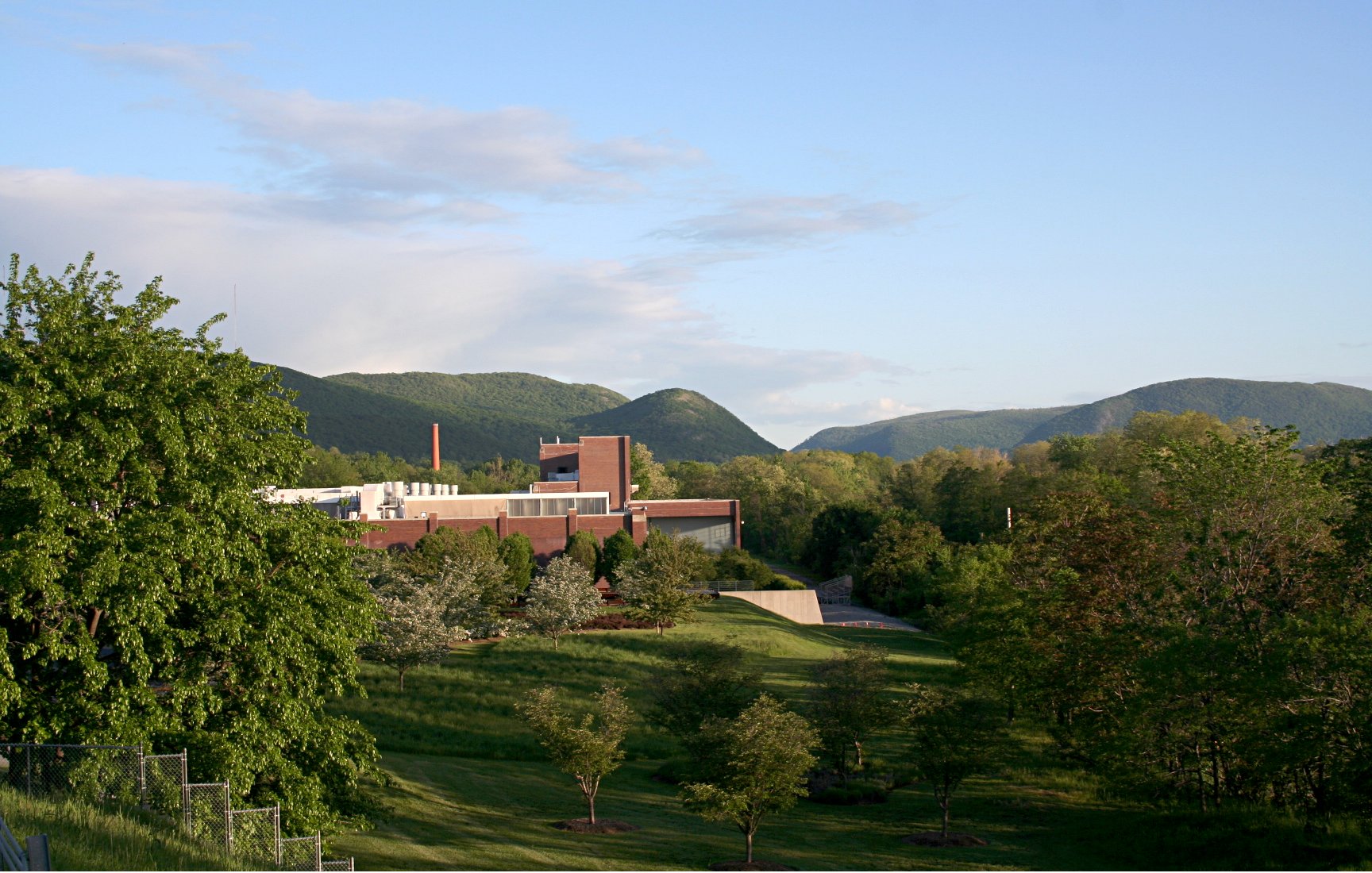
Dia Beacon, and the case for the museum that built the town.
A 1929 Nabisco box-printing factory became the institution that turned Beacon from 80% vacant to a globally legible cultural address.
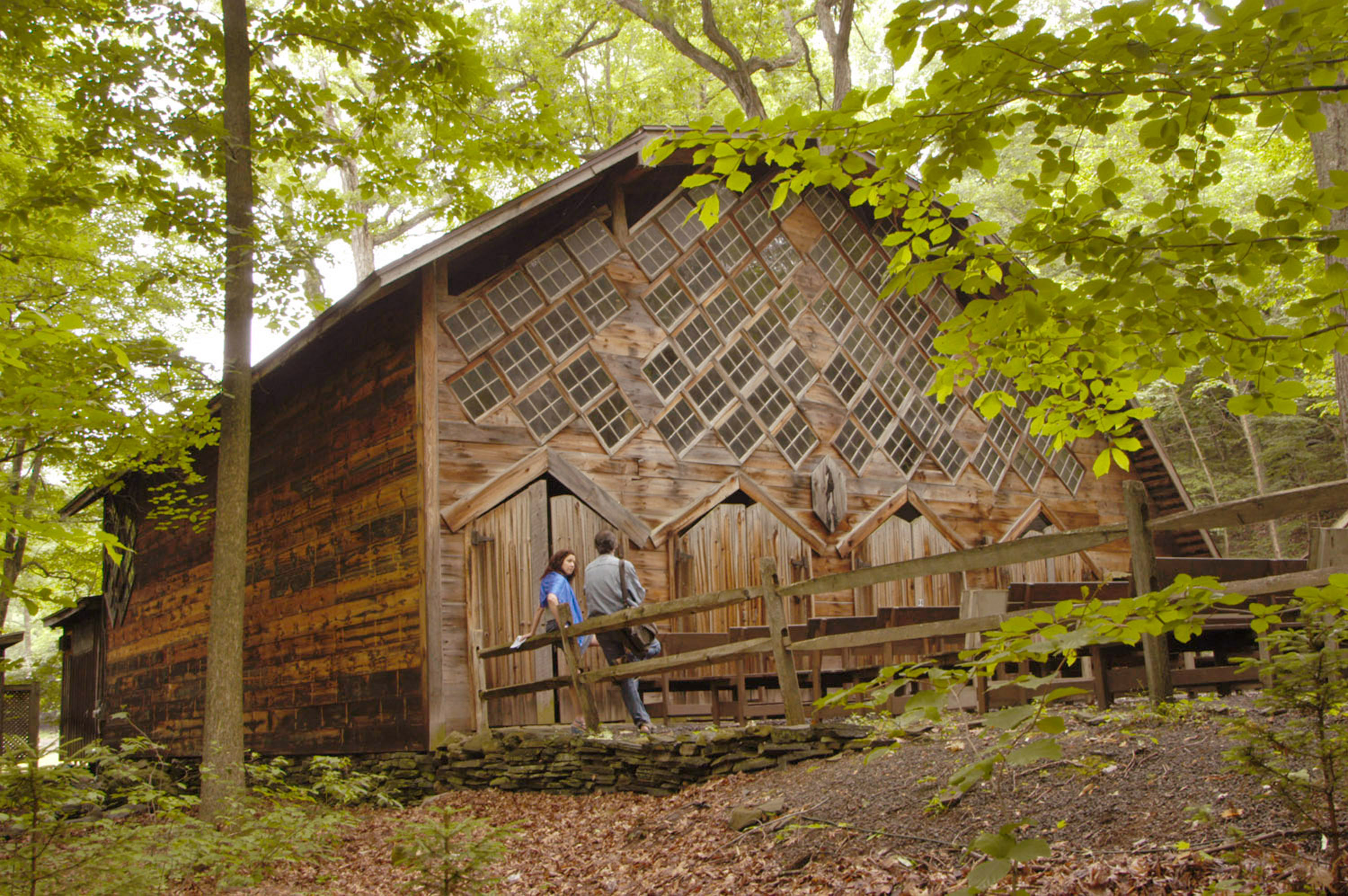
Woodstock, and the case for the town that stayed itself.
An arts town for 125 years — Byrdcliffe, the Maverick, Levon Helm's Barn — entirely separate from the 1969 festival that bears its name but happened sixty miles away.
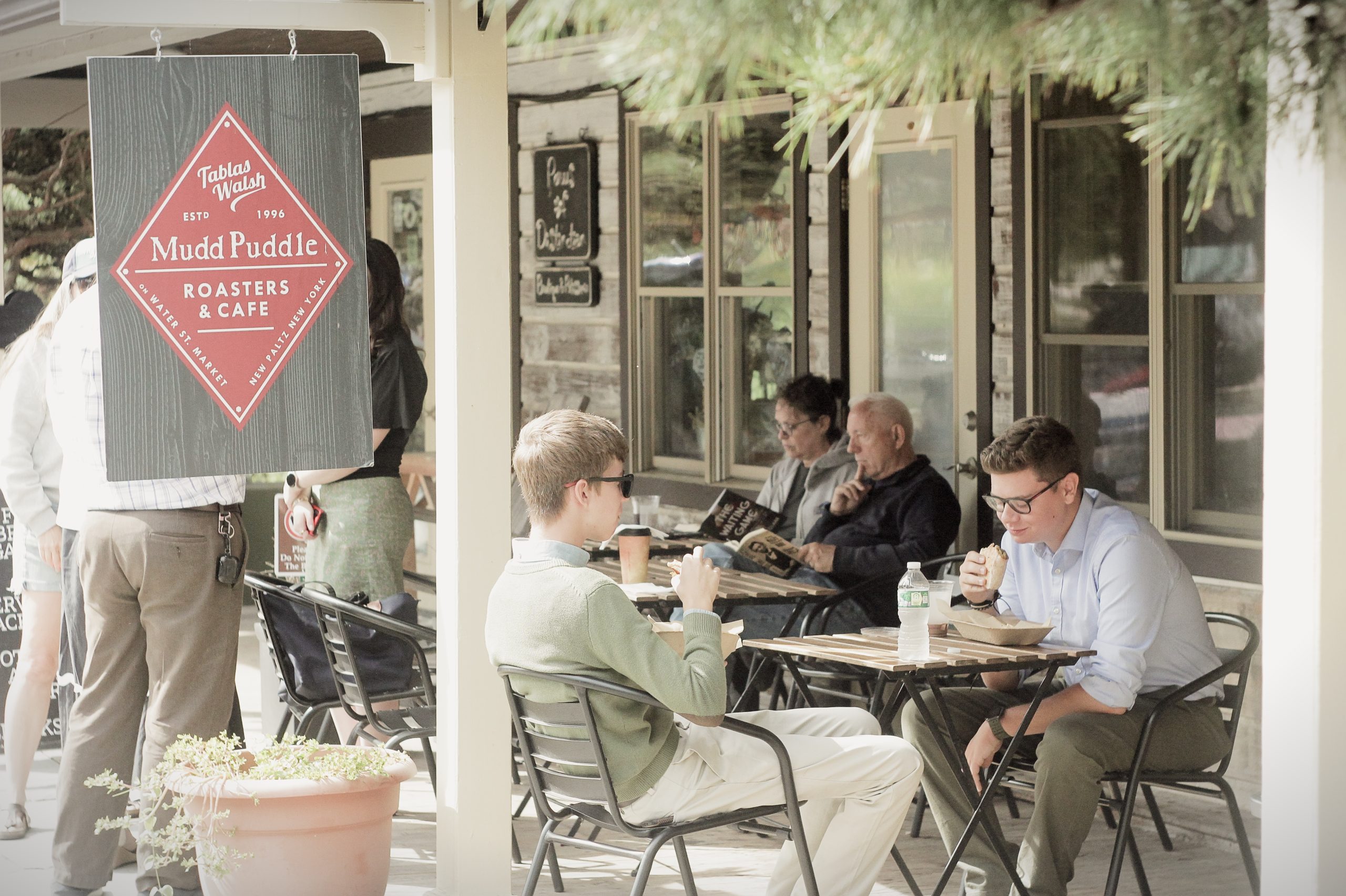
Water Street Market, and the case for a market that became its own block.
One Queens-raised architect, twenty-five years, a piazza-style multi-vendor village around a courtyard at the bottom of New Paltz's Main Street.
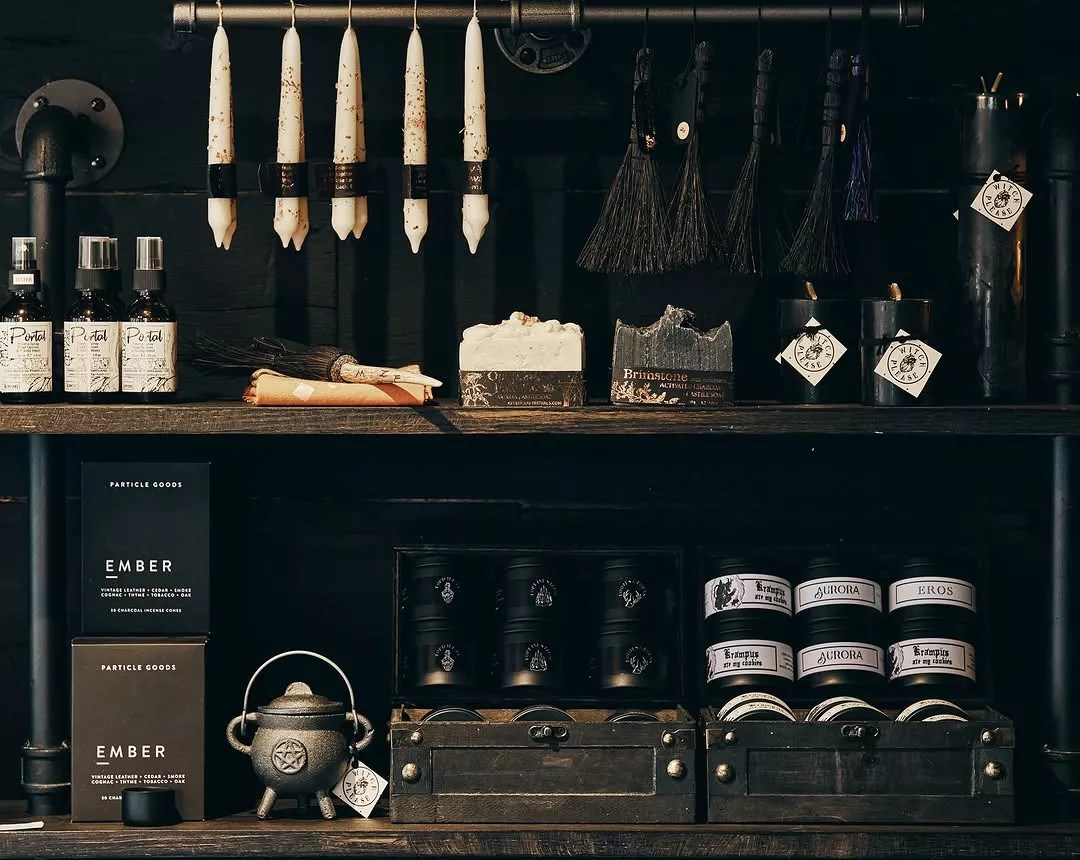
Witch Please, and the case for a shop that outgrew its first front door.
Three Reiki masters opened a metaphysical shop on Main Street, Beacon, in pandemic 2020 — and outgrew it within five years.
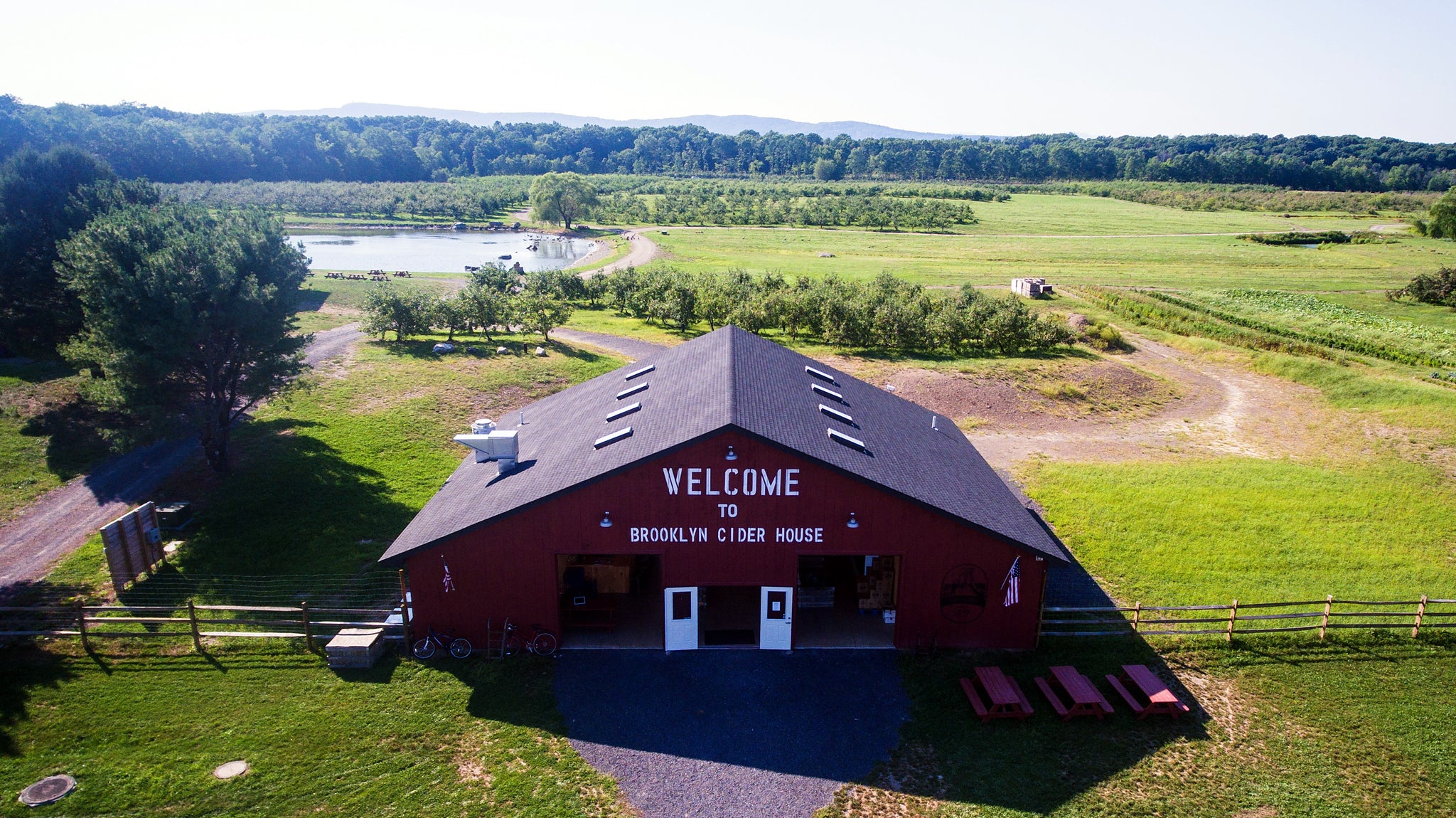
Brooklyn Cider House, and the case for the txotx.
Native-yeast Basque-style cider on a 210-acre New Paltz orchard with forty heirloom cider varieties.
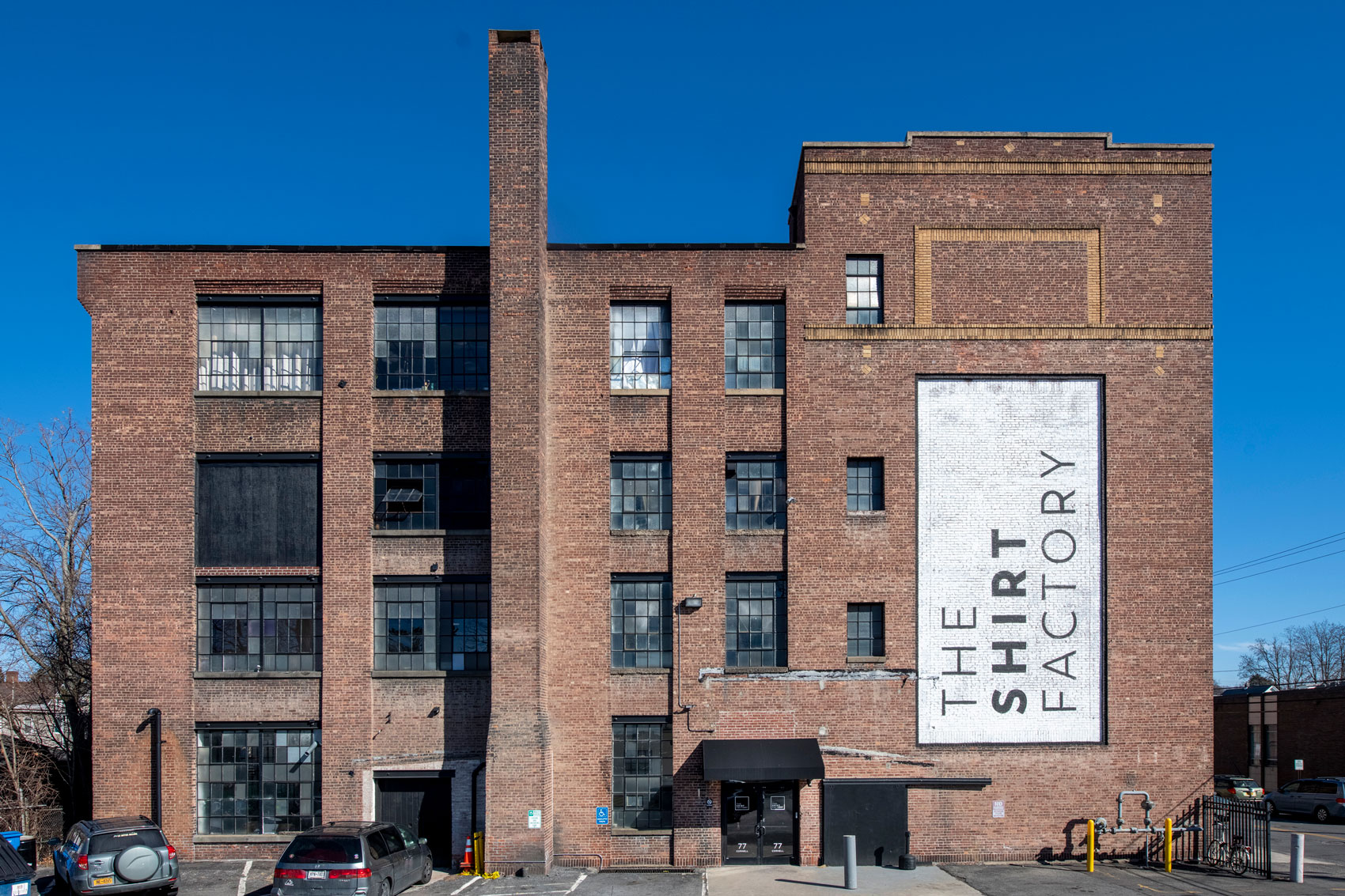
The Shirt Factory, and the case for a factory that kept making things.
A 1917 shirt factory in midtown Kingston is now sixty working artist studios. The same building, still making things.
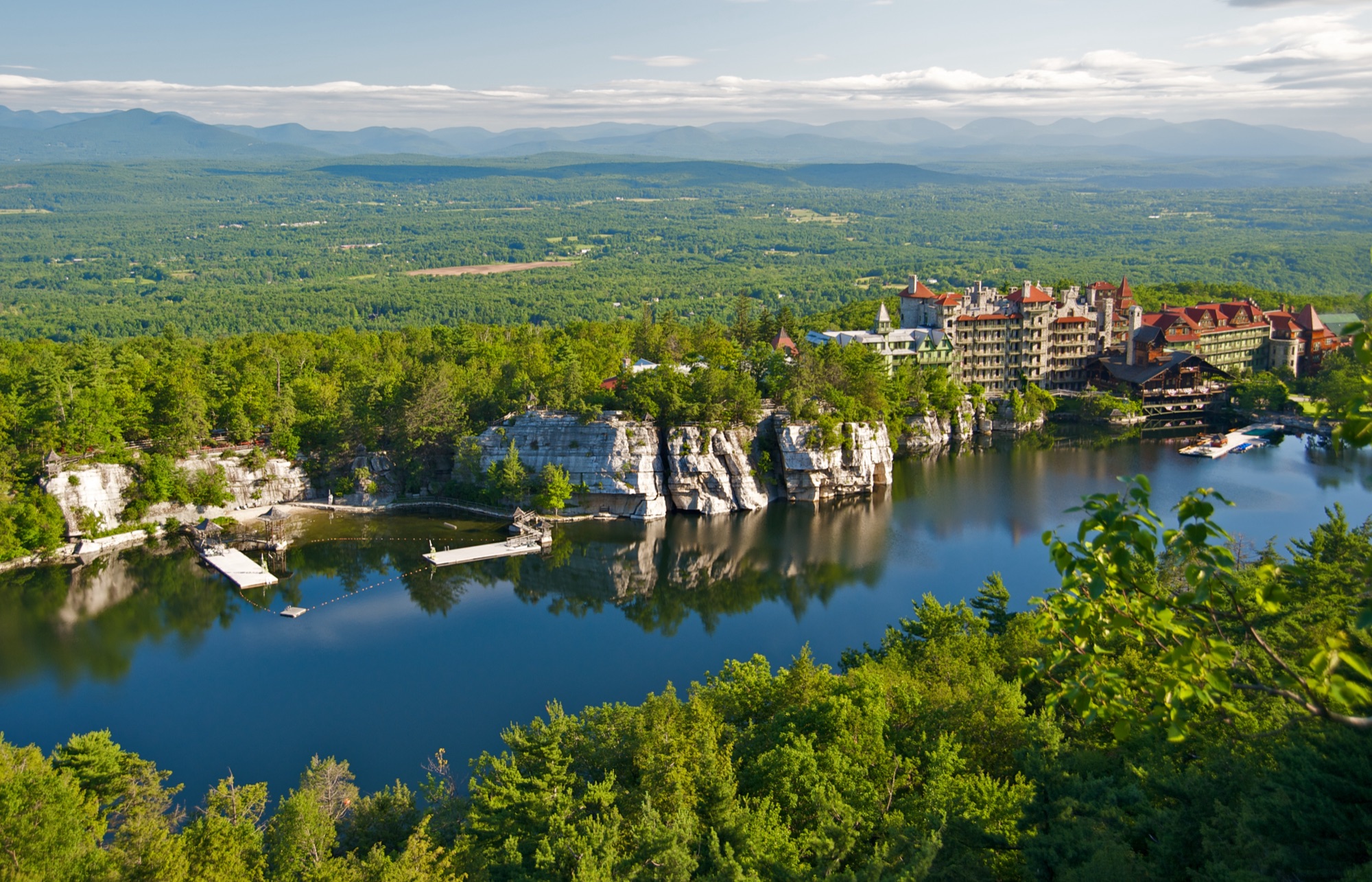
New Paltz, and the case for a town that inherits its stewards.
Three private acts of stewardship — a 1678 stone-house street still run by descendants, a six-generation Victorian castle resort, an 8,000-acre nature preserve founded by a 1963 gift.
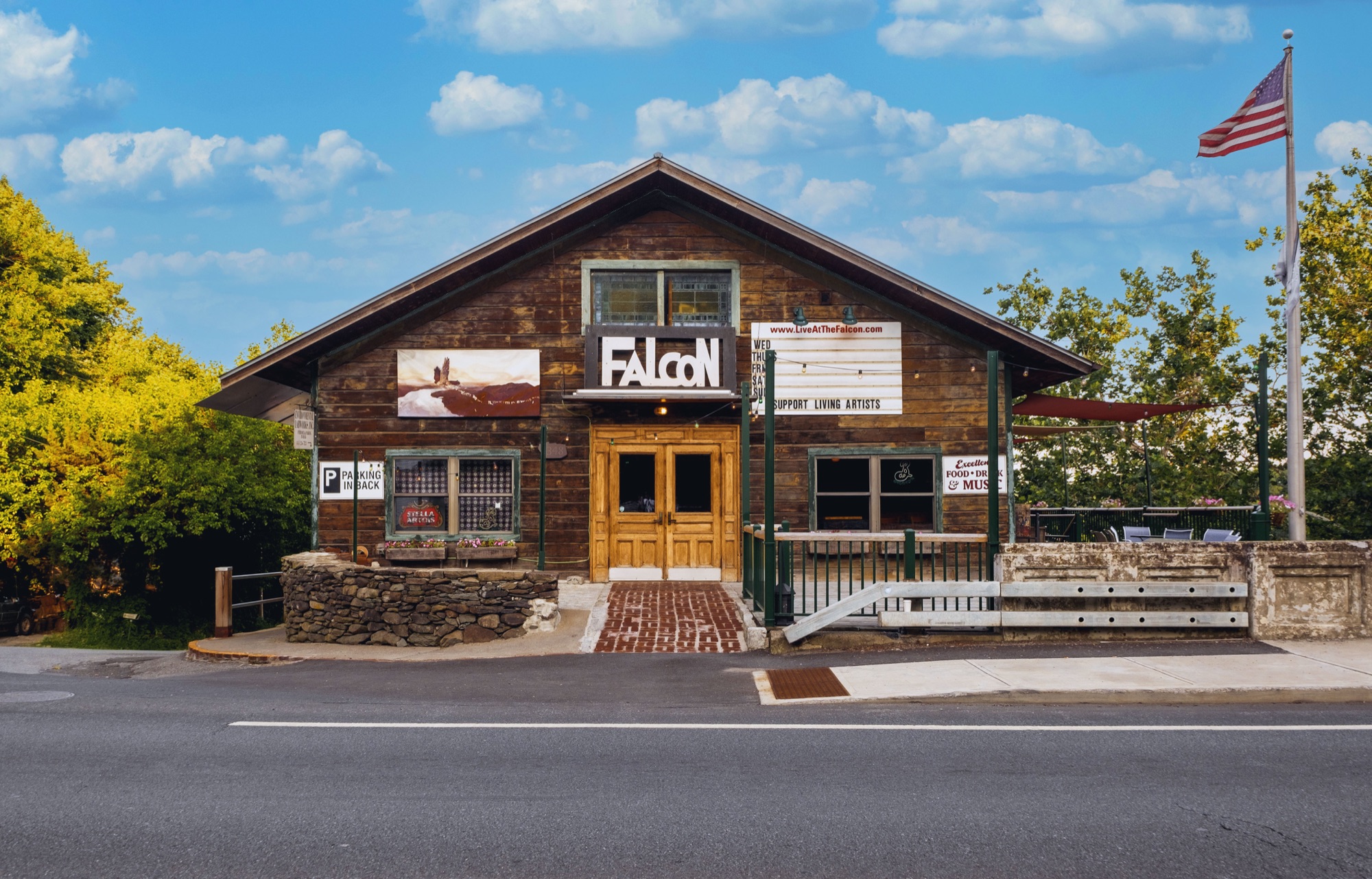
Marlboro, and the case for License No. 1.
The orchard town with a vineyard that holds the first farm winery license ever issued in New York State.
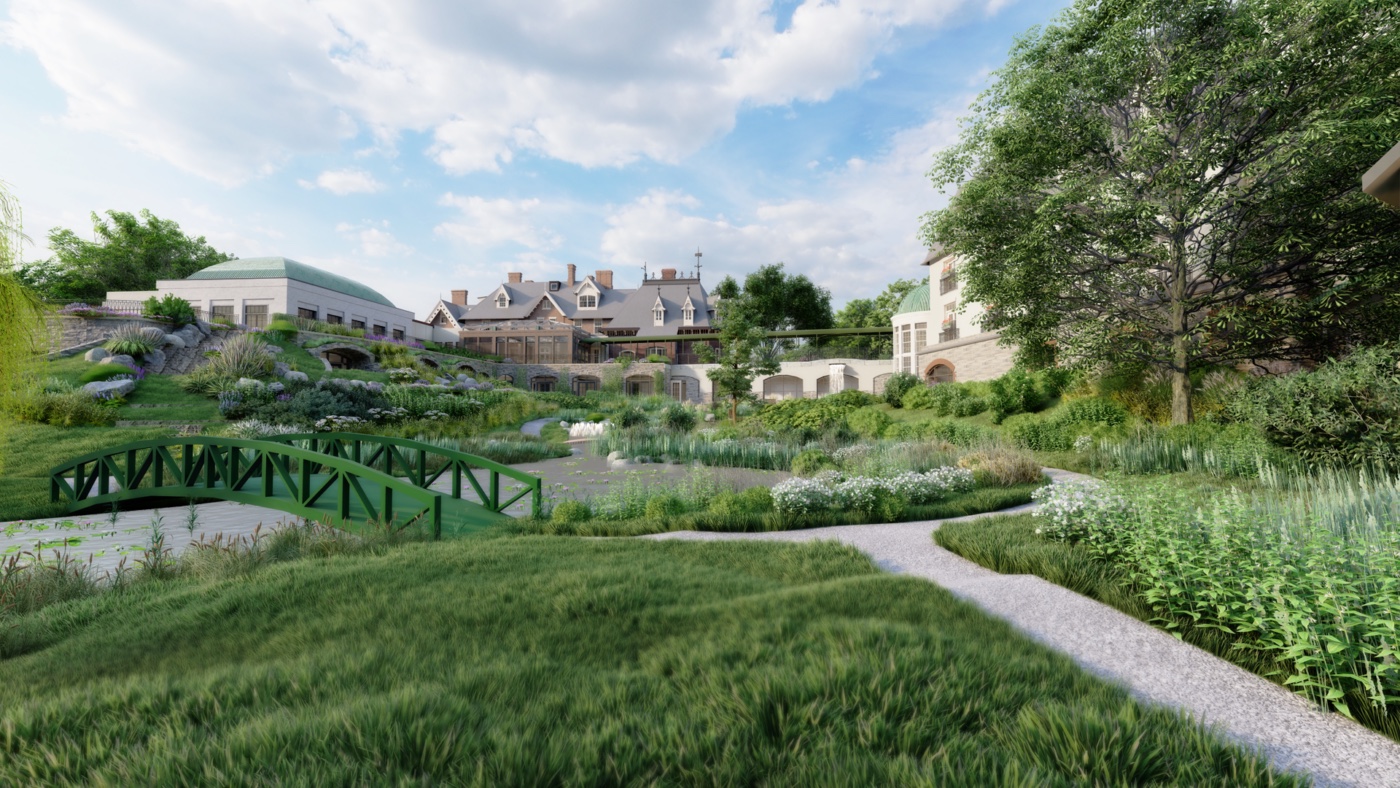
Mirbeau Beacon, and the case for the cure that came back.
A 64-acre estate that was already a wellness destination in 1934. The same prescription, minus the diagnosis — opening May 8, 2026.
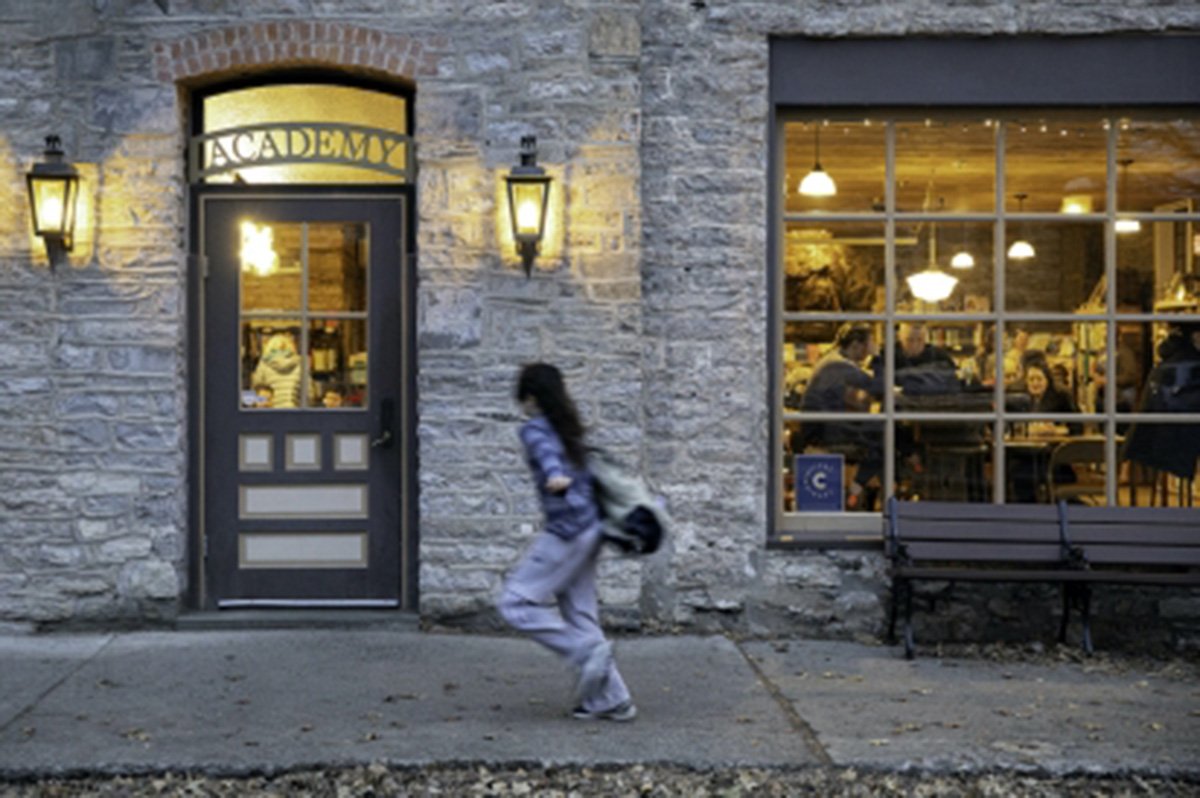
Kingston, and the case for a city that rewrote its own rules.
A 23,000-person city that, in three years, became the first in the Hudson Valley to legislate its second life.
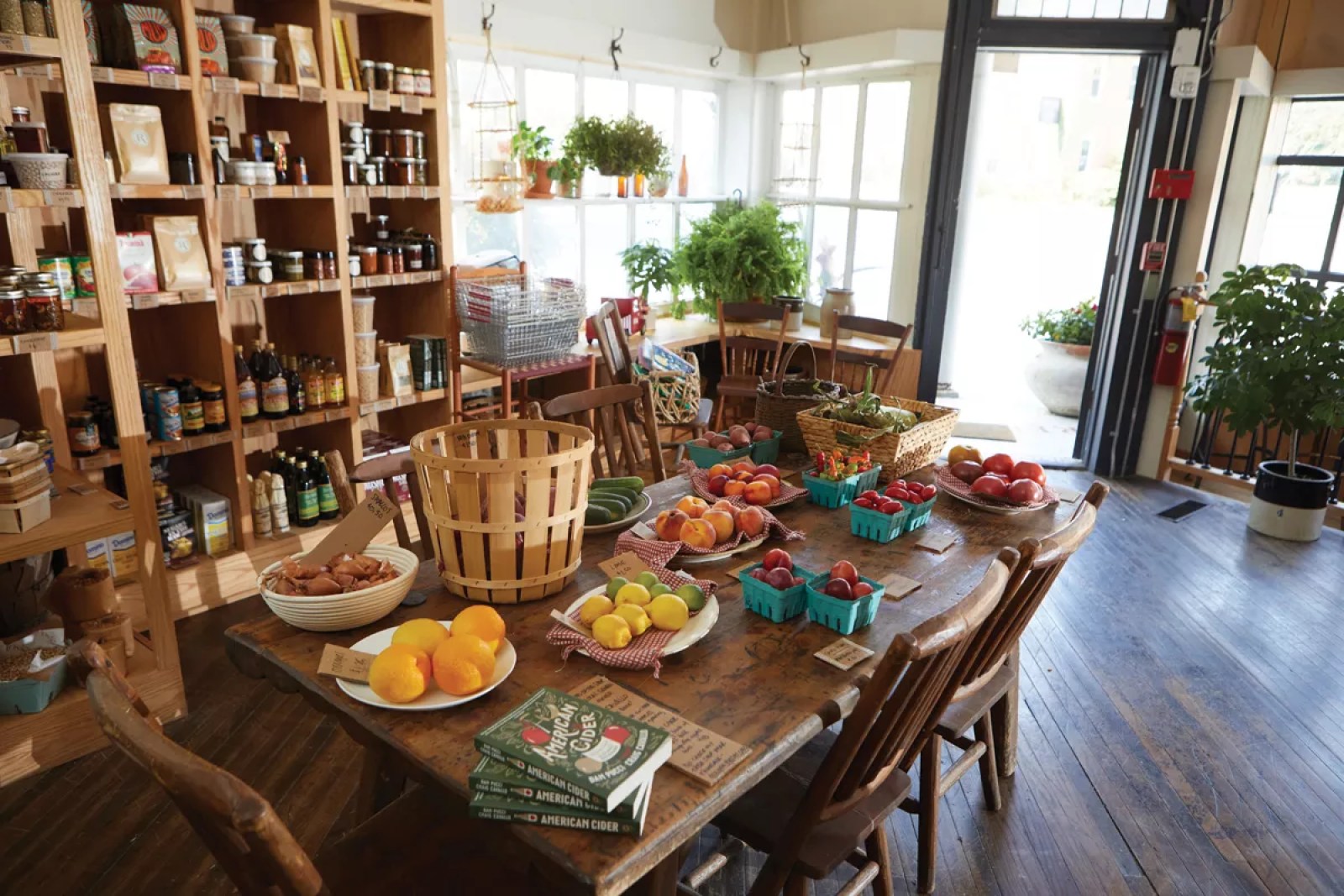
Rosie General, and the case for staying put.
A forty-nine-seat all-day café opened by a Casa Mono head chef who came home and refused to make a second one.
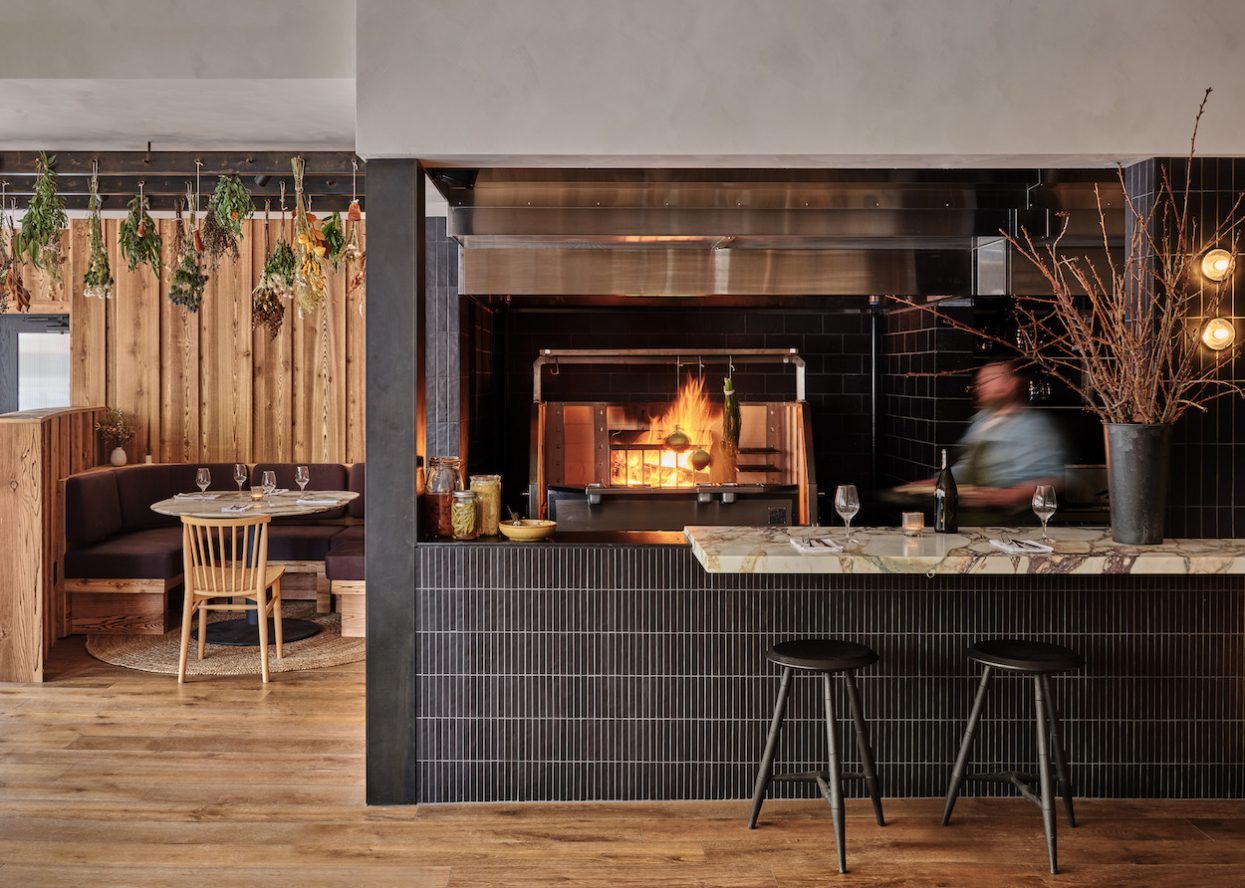
Chleo, and the case for cooking your neighborhood.
A thirty-seat wine bar at Fair and John. Two Stone Barns alums came home and built it, mostly, from the block.
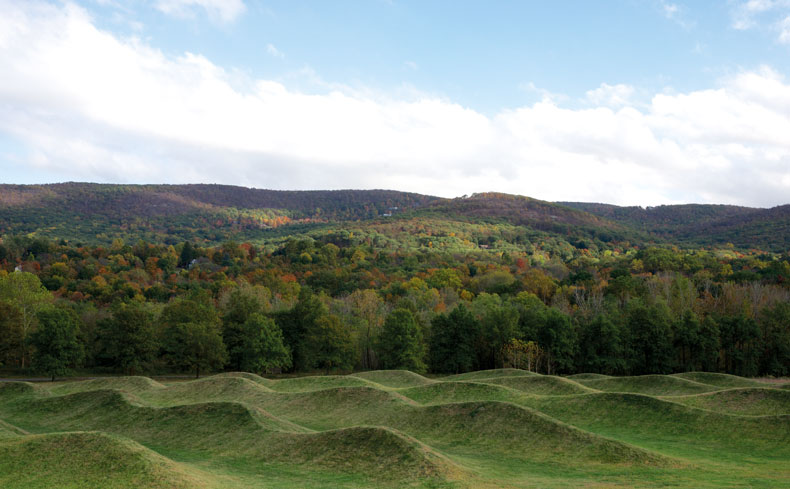
Storm King, and the case for the long view.
Five hundred acres, sixty-five years, a hundred-plus monumental works. What one art center teaches the rest of the valley about scale and time.
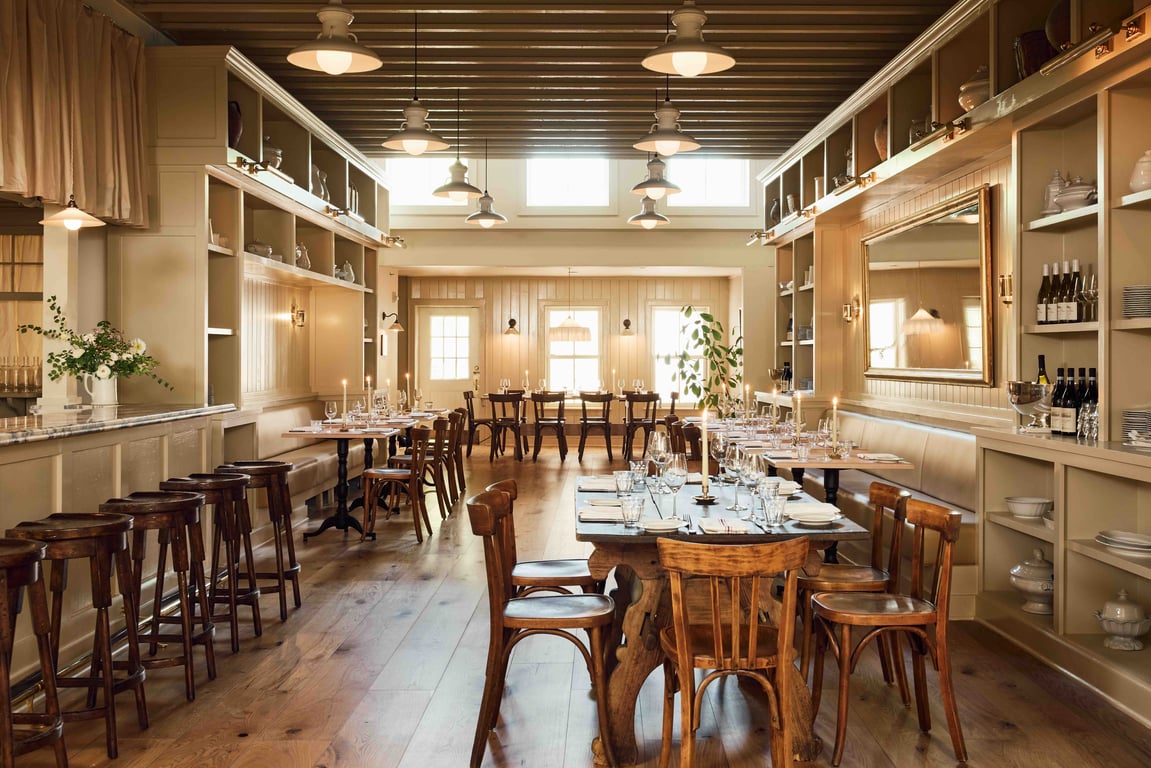
Little Goat, and the case for Rhinebeck.
An 18th-century townhouse on Mill Street. The team behind Inness, turned around — what an all-day restaurant says about a town.
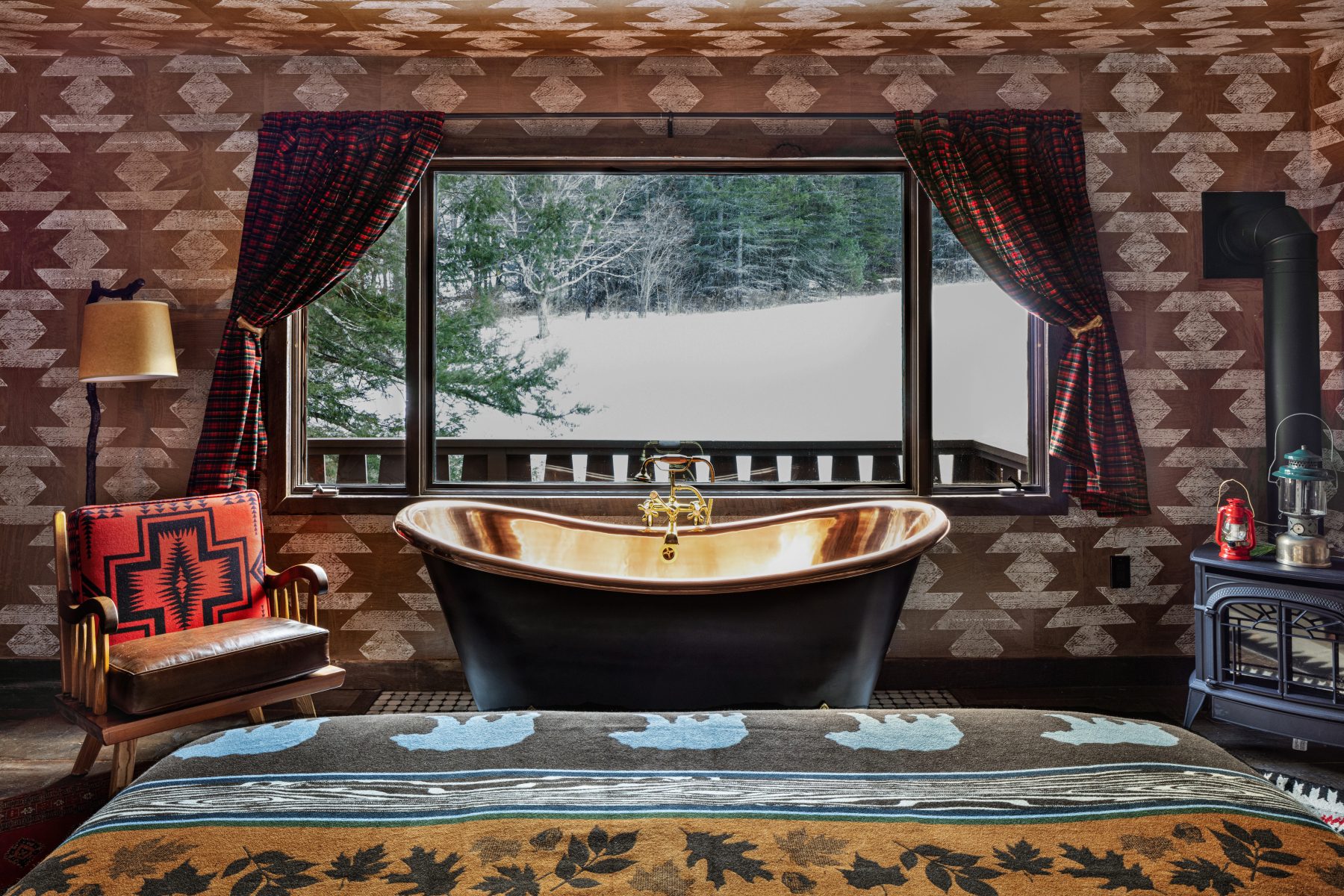
Urban Cowboy, and the case for the Catskills.
Forty-four rooms on two hundred acres. What one lodge teaches the rest of the valley about hospitality as narrative.