The drive into Stone Ridge from the south on Route 209 — climbing out of New Paltz, past orchards and a few stretches of working farmland — eventually levels out into a small village center where Route 213 comes in from High Falls. There is a traffic light. There is a 1798 stone library on one corner, a stone-fronted inn down the road, and a low cluster of historic stone houses set back from the highway under maple trees. This is the entire commercial center of the village.
The village has been here, in some form, since the 1660s. The houses around the village are older than the United States. The road they sit on was a colonial highway long before it was Route 209.
The single editorial fact that holds the rest together is this: the houses are made of the same limestone that the road is graded into and that the town is named for. The town and the road and the buildings on the road are all the same material. The settlement is, in the most literal possible sense, built of itself.
The geology
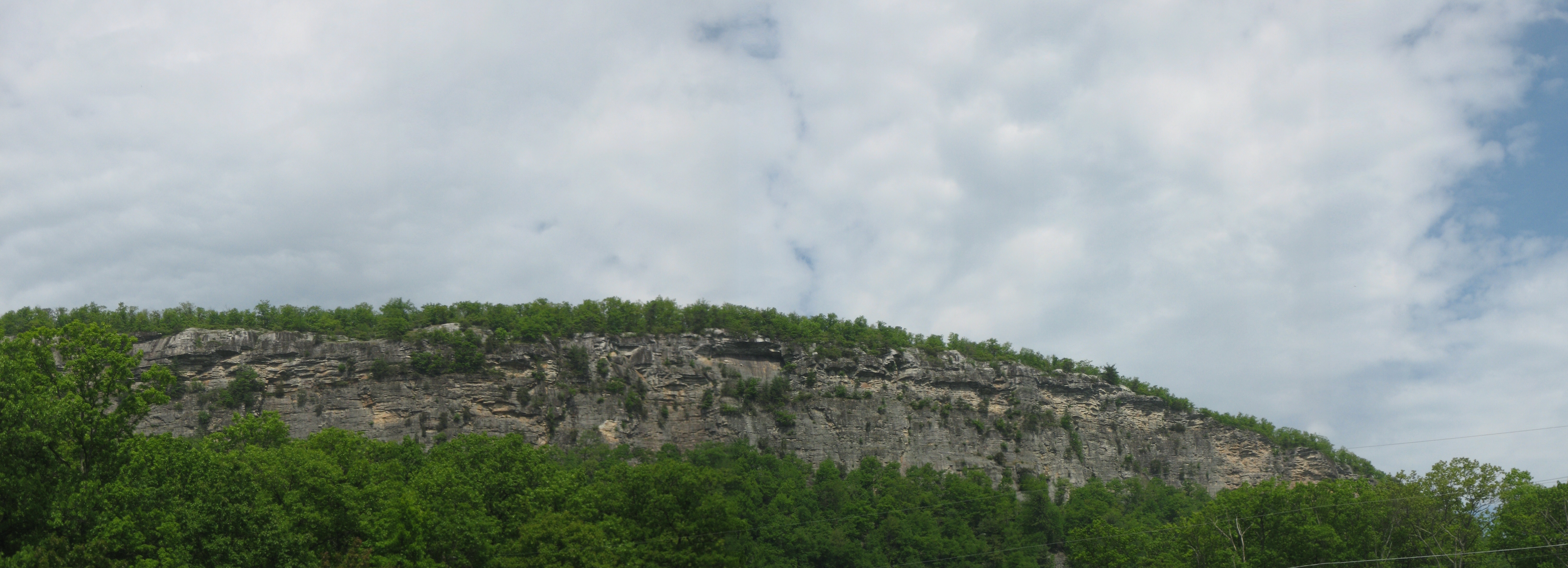
The town the village sits inside is Marbletown. The name comes from the eight-mile ridge of limestone that runs through the settlement. In 1703, when Queen Anne granted the land patent, the colonial term for limestone was "marble." The ridge was the resource. The town took its name from the resource.
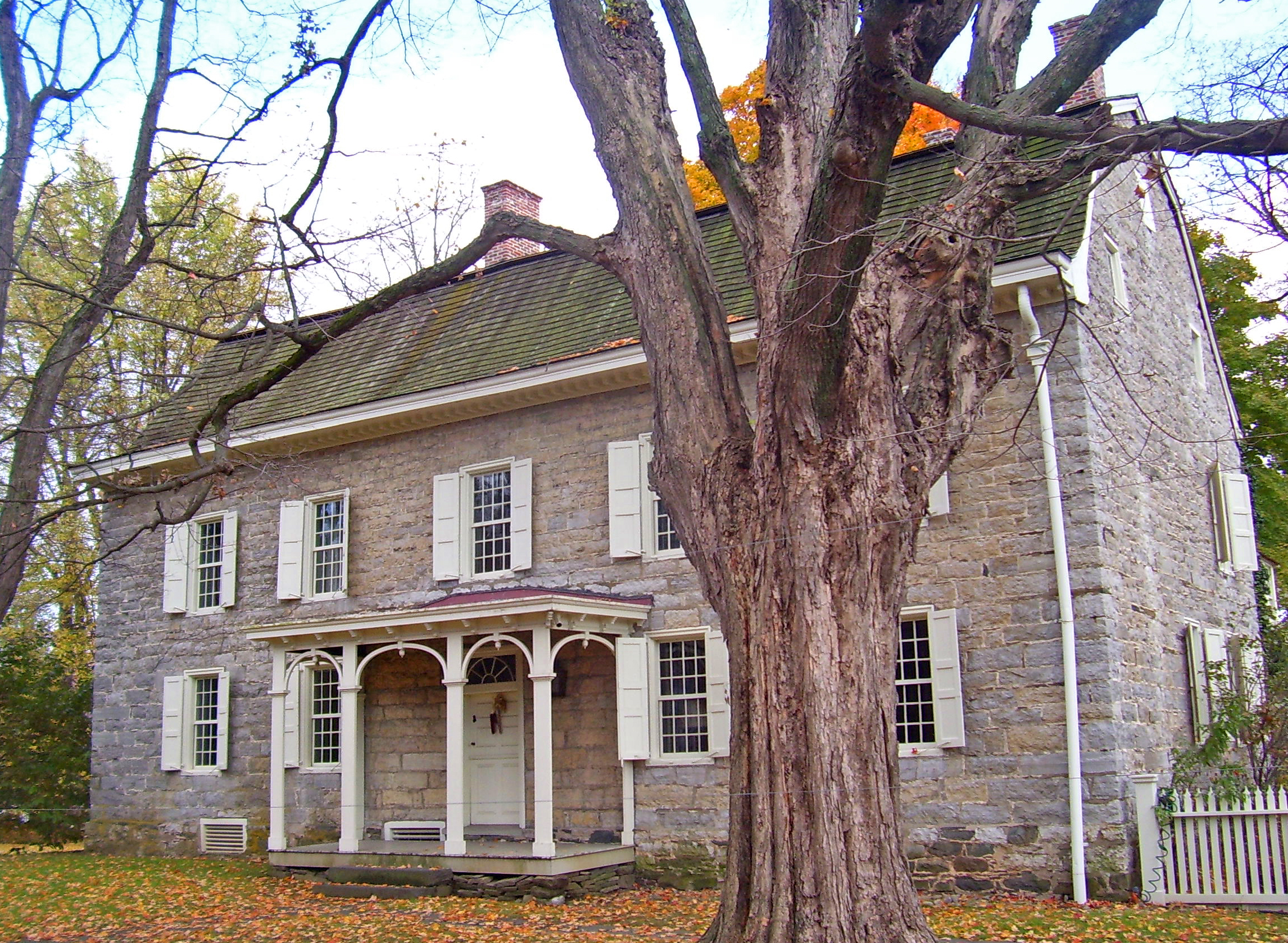
The houses that the early Dutch and Huguenot settlers built starting in the 1660s used the local limestone. The walls of the Cornelius Wynkoop Stone House in Stone Ridge proper — the most architecturally significant house on Main Street — are built of "locally quarried gray limestone," in the language of the National Register of Historic Places nomination. The stone in the walls came out of the ground underneath them.
In the nineteenth century, bluestone and cement-rock quarrying joined agriculture as the major economic activity in Marbletown. Local quarries supplied stone — for sidewalks, for buildings, for foundations — across the Northeast. The town that built itself out of its own ground then built much of the rest of New York out of the same ground.
That is the geological story. The houses are not on top of the bedrock. They are made of it.
The stone houses
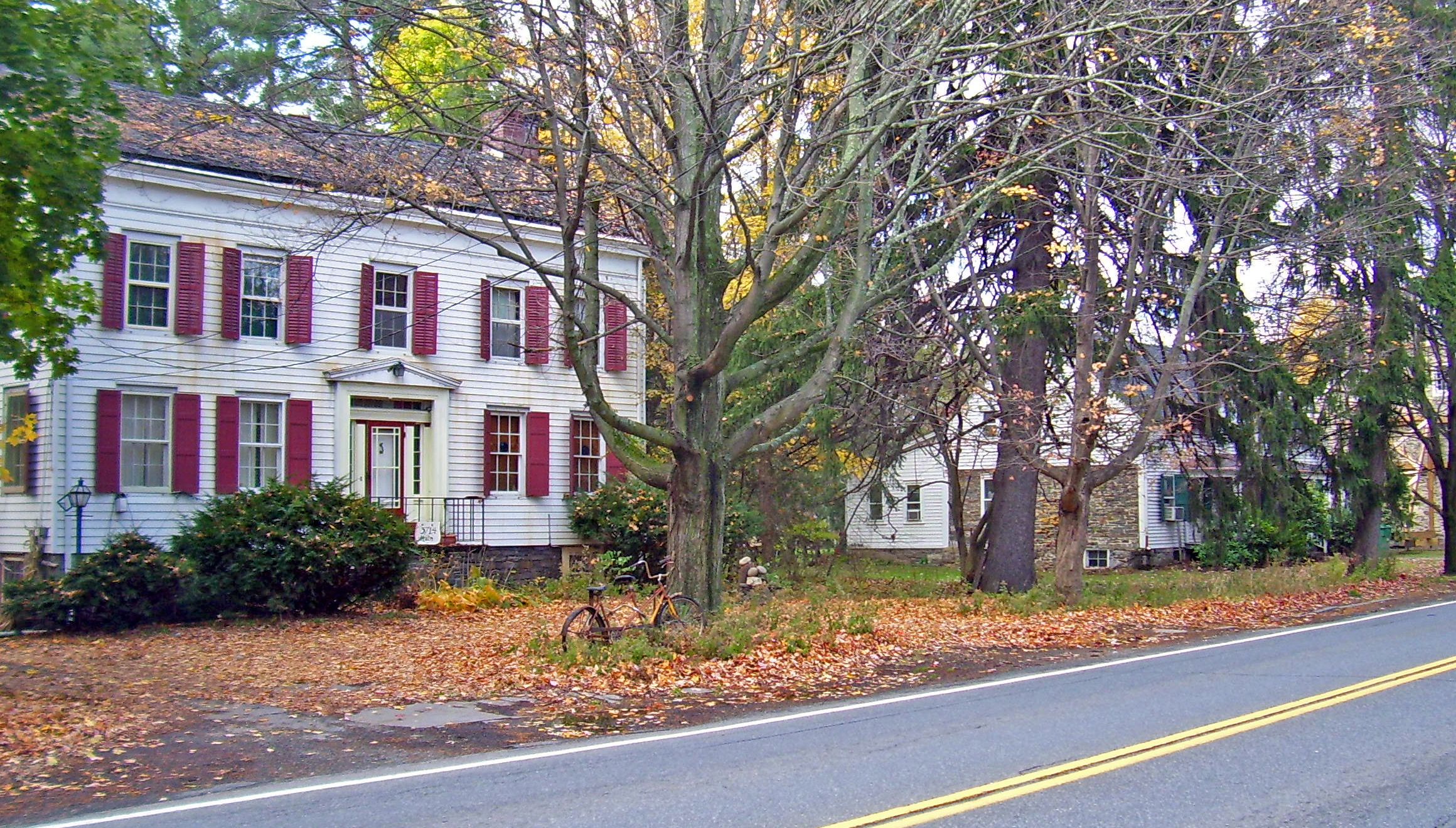
The Dutch stone-house architectural type — one-and-a-half stories, rectangular plan, end chimneys, gable roof, walls of fieldstone laid in lime mortar — was, in the language of the Marbletown Main Street Historic District NRHP nomination, "a Dutch building type that was primarily restricted to Ulster County."
That type concentrated in the Rondout / Esopus alluvial valley that Route 209 runs through. More than two hundred original stone houses still stand along that corridor. The three Ulster County towns that anchor the geography are Kingston, Hurley, and Marbletown — and Marbletown's Main Street, in Stone Ridge village, has seven stone houses in the half-mile commercial center alone.
Three of the named houses, in chronological order:
Bevier House Museum (Marbletown, on Route 209) — built circa 1680 by Andries Pieterse Van Leuven, bought by Louis Bevier Jr. in 1715, held by seven generations of the Bevier family until 1939. Now the headquarters of the Ulster County Historical Society. Added to the National Register in 2002. Open weekends, May through October.
Tack Tavern (ca. 1750) on Main Street — one of a pair of two-story side-gabled stone mirror-image houses built mid-eighteenth-century to serve traffic on the King's Highway to Kingston.
Cornelius Wynkoop Stone House (built 1767–1772 for Cornelius Evert Wynkoop) on Route 209 — the masterpiece of the inventory. The NRHP nomination calls it "the finest gambrel-roofed stone house of the Colonial period extant in New York State." George Washington slept here on November 15, 1782, en route to Kingston. Listed individually on the National Register in 1996, in addition to its contributing status in the 1988 Main Street Historic District. Now operating as a private guesthouse and wedding venue.
The Hasbrouck House (ca. 1757, expanded 1790) on Main Street operates as a boutique inn with Butterfield as its restaurant — farm-to-table dining inside an actual eighteenth-century stone-house dining room.
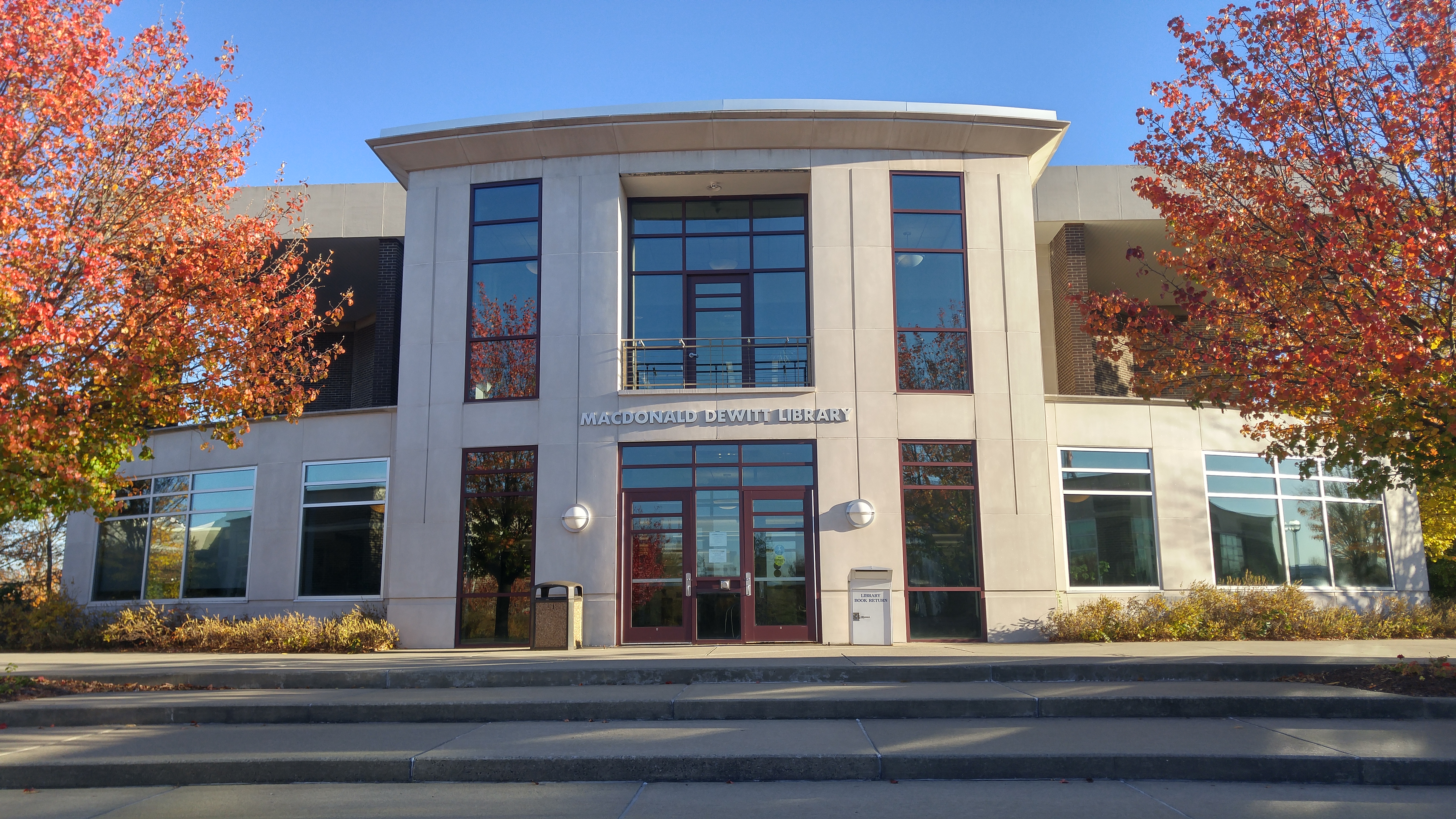
The Stone Ridge Library is a freestanding 1798 stone building, built by John Lounsbery, donated to the community in 1909 by Julia Hasbrouck Dwight, chartered as a free public library by the New York Regents on June 17, 1909, and continuously operating in the same building since. One hundred and sixteen years of community library, in the original eighteenth-century stone walls.
The road
Route 209 through Stone Ridge is the Old Mine Road / Esopus-Minisink Trail / King's Highway. It is one of the oldest long-distance roads in colonial America. It pre-dates the Republic by more than a century. The same roadbed, more or less, has been used to move people and goods along this stretch of the Hudson Valley since the seventeenth century.
When the British burned Kingston in October 1777, the New York State Legislature retreated to the Oliver House on Route 209 South of Stone Ridge and met there for one month. The corridor was, briefly, the temporary capital of New York State. The road has not had a more dramatic moment since.
What the road did not do is widen, suburbanize, or reroute around the historic village. Route 209 still runs straight through Stone Ridge village, between the rows of stone houses, past the library, under the same limestone ridge that named the town. It is one of the only major commercial highways in the Hudson Valley that has stayed inside its colonial alignment.
What's around it now
The contemporary chapter is small, and that is the point.
Davenport Farms at 3411 Route 209 — a working family farm market in the fifth Davenport generation of Hudson Valley farming. The Davenports crossed the Hudson from Dutchess County in the early 1800s. Greenhouse, market, wholesale vegetables. The kind of farm stand that survives because everyone in the valley shops there.
Hasbrouck House + Butterfield — the boutique inn and restaurant inside the ca. 1757 stone Hasbrouck house, which is what most contemporary visitors mean when they say "that beautiful inn in a stone house on Route 209."
The Wynkoop House — the 1767 Cornelius Wynkoop house, restored as a private guesthouse and wedding venue.
The Stone Ridge Library — the 1798 building, still doing what a community library does.
A short drive in either direction extends the chapter. High Falls, the next hamlet east on Route 213, has The Egg's Nest restaurant and a working historic district around the Delaware & Hudson Canal locks. Accord, to the south, has Westwind Orchard & Cidery (founded 2002 by photographer Fabio Chizzola and Laura Ferrara on a 32-acre apple orchard — unfiltered bottle-conditioned cider, Roman-style pizza, cider garden) and Inness Hudson Valley (opened July 2021 by Taavo Somer on 220 acres between the Catskills and Shawangunks; 28 cabins, a 12-room farmhouse, restaurant, nine-hole King Collins golf course, two pools, designed with Post Company).
On a ridgeline above the village, three architect-designed residences are being built in a vernacular that quotes the stone-house tradition without imitating it — new construction shaped by what is already there.
The Mohonk Preserve trailheads (Bonticou Crag among them) are a short drive west. The Catskill foothills are a short drive north.
What "built of stone" means
The argument is geological, architectural, and editorial all at once.
A great many small American towns were built on their landscape — sited because of access to a river, a road, a railroad, a resource. Most of those towns then built outward in materials shipped from somewhere else. Wood from Maine. Brick from New Jersey. Vinyl from a factory. The town and the landscape it sits on are different materials.
Stone Ridge is the inverse case. The town was sited because of the limestone ridge. The houses were built out of the limestone the ridge was made of. The road into the village was graded into the same limestone. Three hundred and sixty years later, the houses, the road, the foundations, and the bedrock are still the same material. You cannot tell where the ground stops and the buildings start.
That is the discipline that produces a place that does not feel manufactured. The new buildings going up in Stone Ridge today — and there are some — answer to the stones. The architects working in the village quote the gambrel roofs, the lime mortar, the rectangular plan, the end chimneys. They use locally quarried stone where they can. They build with the language of the place rather than around it.
That kind of architectural humility is rare in 2026. Most contemporary building, in most contemporary towns, treats the surrounding vernacular as scenery. Stone Ridge treats it as a constraint. The buildings are still the same material as the bedrock. The bedrock has not changed. The constraint is generative.
What the rest of the valley can learn
Three things.
One. A material inheritance is a stronger inheritance than a stylistic one. Many Hudson Valley towns have nineteenth-century buildings. Few have buildings made of their own ground. The towns that do — Stone Ridge, Hurley, parts of Kingston — read as coherent in a way other towns can't replicate without quarrying their own bedrock. The constraint is the heritage.
Two. Roads that did not move are the spine of villages that did not flatten. Route 209 still runs the colonial alignment. The village core is still the village core. The Old Mine Road did not get bypassed, widened, or replaced by a parallel arterial — and so the village it runs through still works the way a 1750s village worked. Most arterials did get rerouted. The ones that did not are the ones that produced the villages we still want to walk.
Three. Quoting the vernacular is a discipline, not a style. The architects building in Stone Ridge today are not putting fake gambrel roofs on tract housing. They are doing actual structural and material work to make new buildings that respect the stones. The valley has many places where a similar discipline would be possible. The places that have practiced it have something the places that haven't can't recover.
Go, then come back
Stone Ridge is at the midpoint of Route 209 between New Paltz and Kingston — about ninety minutes from Manhattan, twenty minutes off the New York State Thruway. Drive 209 slowly through the village center. Stop at the Stone Ridge Library (you can sit on the porch). Walk past the Wynkoop House on Route 209 (private; admire from the road). Drive to the Bevier House Museum in Marbletown — open weekends, May to October — and walk through the 1680 walls. Lunch at Davenport Farms for whatever they pulled out of the ground that morning. Dinner at Butterfield inside the Hasbrouck House. If the day stretches, Westwind Orchard in Accord for cider and pizza, or Inness if you have a reservation.
Then drive home, slowly, on Route 209. Look at every stone house you pass. Note that they have been doing this for three hundred and sixty years. That is the case for Stone Ridge. And, quietly, it is the case for everywhere in the valley with a road that did not move and a building stock that came out of the ground beneath it.
— The Editors