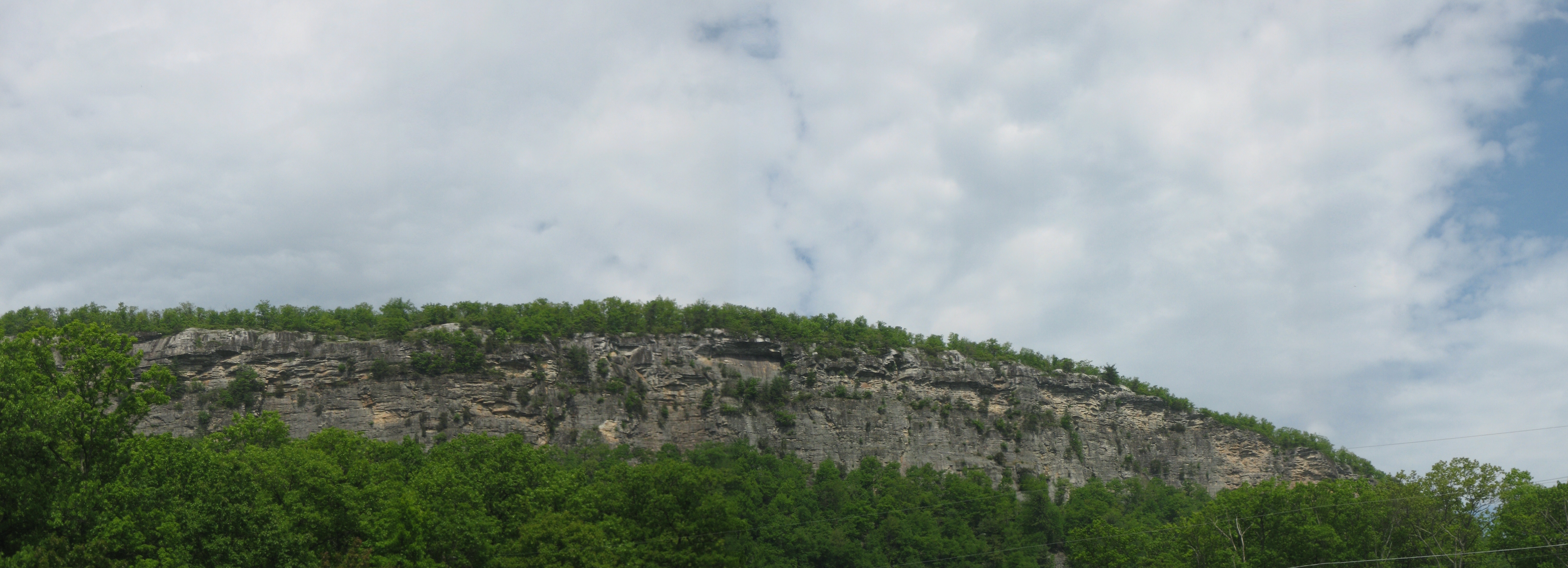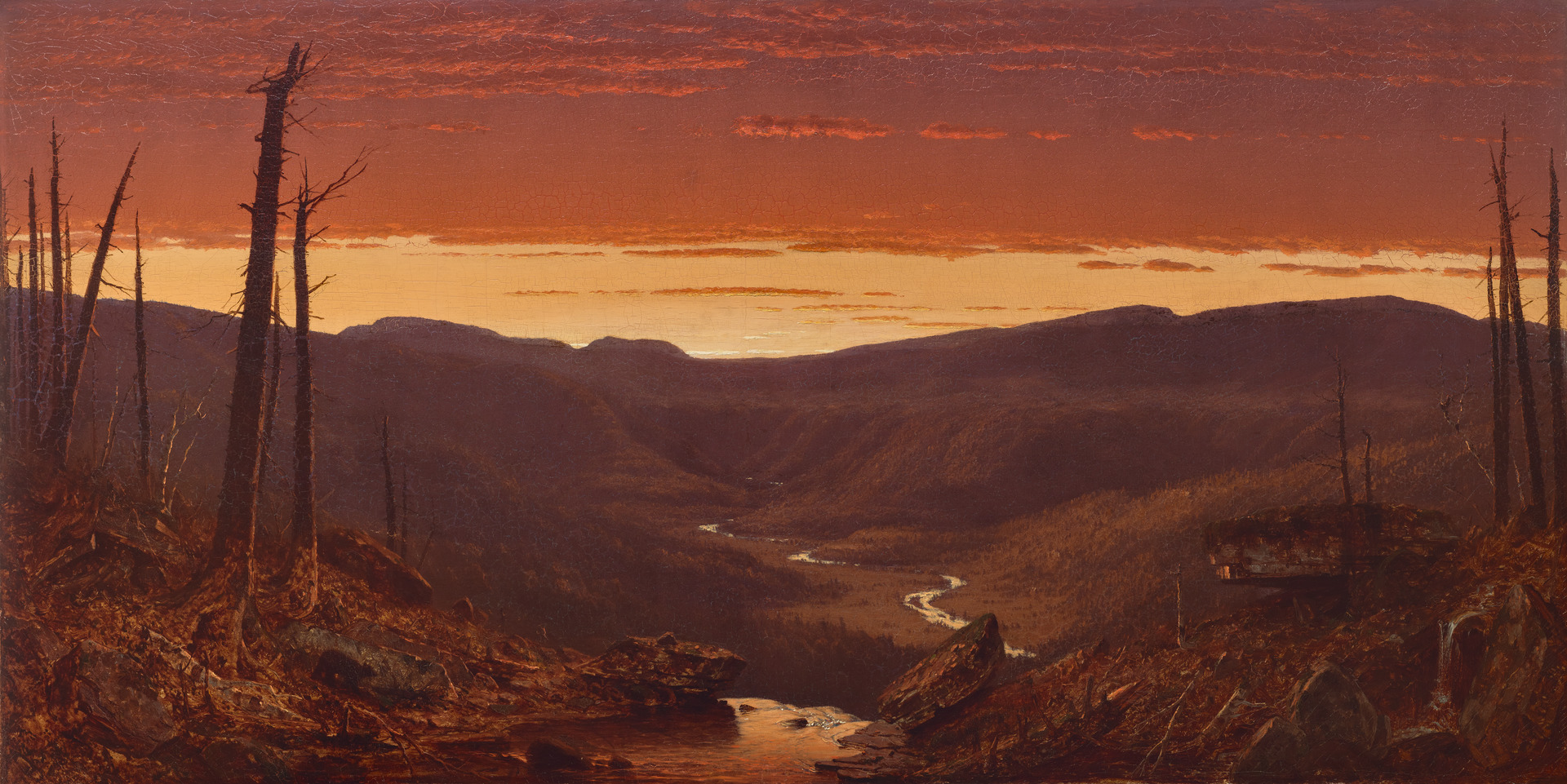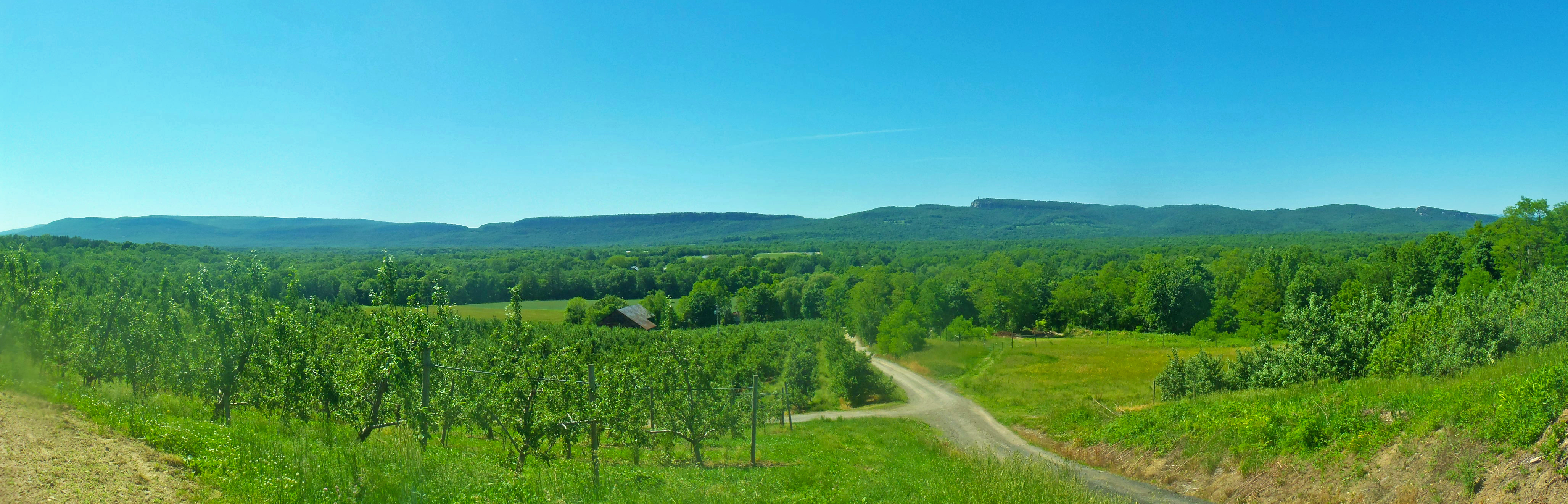
Drive to the end of Jenkins Lane in New Paltz, at the foot of the Shawangunk Ridge, on land that borders the Mohonk Preserve, and you arrive at a small herb farm and apothecary called Tweefontein. The name is Afrikaans for "two fountains" — or "two springs" — and it was chosen, in 1982, by a woman who had grown up speaking the language an ocean and a hemisphere away.
The farm is a quiet place. There is a store, run as a kind of apothecary, with rooms of crystals, dried herbs, tinctures, and tea. There are roughly two hundred species of herbs growing in the fields. There are workshops, women's circles, yoga, and volunteer days where strangers come to weed and harvest and share a vegetarian lunch. It reads, to most visitors, as a sanctuary — peaceful, plant-scented, slightly outside of time.
What makes it a feature for The Edit is not the store or the crystals. It is the continuity — the fact that the farm is, in a real sense, still tending the dream of a woman who died more than twenty years ago.
The founder
Tweefontein Herb Farm was founded in 1982 by Anne Salomon, who was born in South Africa and moved to New Paltz after her husband, Larry Salomon, took a teaching post in Black Studies at SUNY New Paltz. The couple bought the land — a former milk farm — from Bill and Mary Nichols; Mary was a Jenkins, a descendant of New Paltz's founding French Huguenot families, which is why the road is called Jenkins Lane. The land carries the valley's deep settlement history in its address.
Anne became a pioneering organic herb farmer at a time when "organic" was still a fringe word. She grew herbs, made remedies, and sold to local restaurants, to homeopaths, and at New York City's Union Square Greenmarket — carrying Shawangunk-grown herbs down to the city's most serious produce market. She built the farm into a working operation and a local institution.
She died of cancer in 2003.
That is usually where the story of a small founder-driven farm ends. The founder dies; the vision dies with her; the land is sold to someone who builds something unrelated, or builds nothing, and the thing that made the place is gone.
The inheritance
Tweefontein went the other way.
In 2014, a man named Chris Boelsen moved from California and bought the land. He had not known Anne Salomon. He bought, in effect, the remains of a vision — an aging herb farm, an apothecary, a name in a language from another continent. And rather than convert it to something else, he decided to carry on what Anne had started.
Since 2015, Boelsen and the herbalist Jill Battista have run Tweefontein as a collective — members who share the farming, the maintenance, and the product-making, and who have grown the planting from roughly twenty-five species to two hundred. The farm makes handcrafted herbal extracts and tinctures, teas, baked goods, botanical skincare, using permaculture and biodynamic methods. The store is still a store. The Greenmarket herbs still grow.
A local headline put it precisely: the farm "carries on its original mission." The current stewards are not running their own herb farm on Anne Salomon's old land. They are running Anne Salomon's herb farm, a decade after her death, having never met her, because the vision was worth continuing.
What you can do there
Tweefontein is open to visitors. (Confirm current hours before you drive — the listings disagree, which is its own kind of charm and its own kind of warning.)
The apothecary store is the core public draw: themed rooms of crystals, dried herbs, tea blends, tinctures, and botanical skincare, most of it made on the farm from farm-grown or wild-harvested plants. There are workshops and events spring through fall — yoga, women's circles, and the occasional gloriously niche offering. And there are volunteer days, on a recurring schedule, where anyone can come put their hands in the soil — weeding, planting, harvesting, processing herbs — and stay for a shared vegetarian meal.
That volunteer access is the genuine differentiator. Most farms you visit; this one you can briefly join.
What "tending someone else's dream" means
The argument is about a particular kind of inheritance.
Most of what gets inherited in the Hudson Valley is physical — a stone house, a barn, a piece of land, a building on the National Register. The thing that passes from one generation to the next is a structure, and the new owner does with it whatever they want. The inheritance is the object.
Tweefontein is the rarer case: an inheritance that is a vision, not an object. What Chris Boelsen bought in 2014 was technically a piece of land. What he chose to inherit was Anne Salomon's intention — the specific dream of an organic herb farm and apothecary at the foot of the Gunks, named in the language of her childhood. He could have done anything with the land. He chose to keep doing her thing.
That is unusual, and it is worth naming, because it is the opposite of how most places change hands. Most new owners erase the previous vision and impose their own. Tweefontein's new owners adopted the previous vision and kept it alive. The dream outlived the dreamer because someone decided, deliberately, to tend it.
What the rest of the valley can learn
Three things.
One. A vision can be inherited, not just a building. The valley is full of founder-driven places — farms, shops, restaurants, studios — whose founders will not be here forever. The question every one of them faces is whether the intention survives the founder, or only the real estate does. Tweefontein is the proof that the intention can survive, if someone chooses to carry it.
Two. Continuity is a decision, not an accident. Nothing forced Chris Boelsen to keep running Anne Salomon's herb farm. He decided to. The places in the valley that hold their character across ownership changes hold it because someone, at the handover, chose continuity over reinvention.
Three. The smallest places carry the clearest version of the lesson. Tweefontein is not Mohonk or Dia. It is a small herb farm at the end of a lane. But the small scale is exactly what makes the inheritance legible — one woman's dream, one new steward's decision to keep it. The clearest lessons are often the smallest ones.
Go, then come back
Tweefontein Herb Farm is at 4 Jenkins Lane, New Paltz, at the foot of the Shawangunks, bordering the Mohonk Preserve. Confirm the hours first — then drive out for the apothecary, the crystals, the tea, the two hundred herbs in the fields. If the timing lines up, come for a workshop or a volunteer day and put your hands in Anne Salomon's soil. Pair it with a Gunks hike from the Mohonk Preserve trailheads next door, or with a visit to the broader New Paltz cluster — the town we've written about, Brooklyn Cider House, Water Street Market, Mohonk itself.
Then drive home and think about the founder-driven places you love, and ask: who will tend this when the founder is gone? That is the case for Tweefontein. And, quietly, it is the case for everywhere in the valley whose best version depends on someone choosing to continue it.
— The Editors