The corner of Main and Schenck Avenue, at the eastern end of Beacon's historic district, sat empty for years. In August 2025, it opened as The Wild Kitchen & Bar — a purpose-built two-story brick building with tall windows, an industrial sensibility, and a deliberate nod to Beacon's nineteenth-century factory architecture. Most of Beacon's modern revival has been adaptive reuse: a metaphysical shop in a Main Street storefront, a wellness resort in an 1880s estate, a museum in a Nabisco box-printing plant. The Wild is the rare new build in the conversation — a structure put up to be exactly what it is.
What it is, on closer inspection, is three things in one building — and the structural decisions that make all three of them work are the editorial spine of the place.
The room that runs twice
Downstairs, the same dining room runs two services a day with two entirely different personalities.
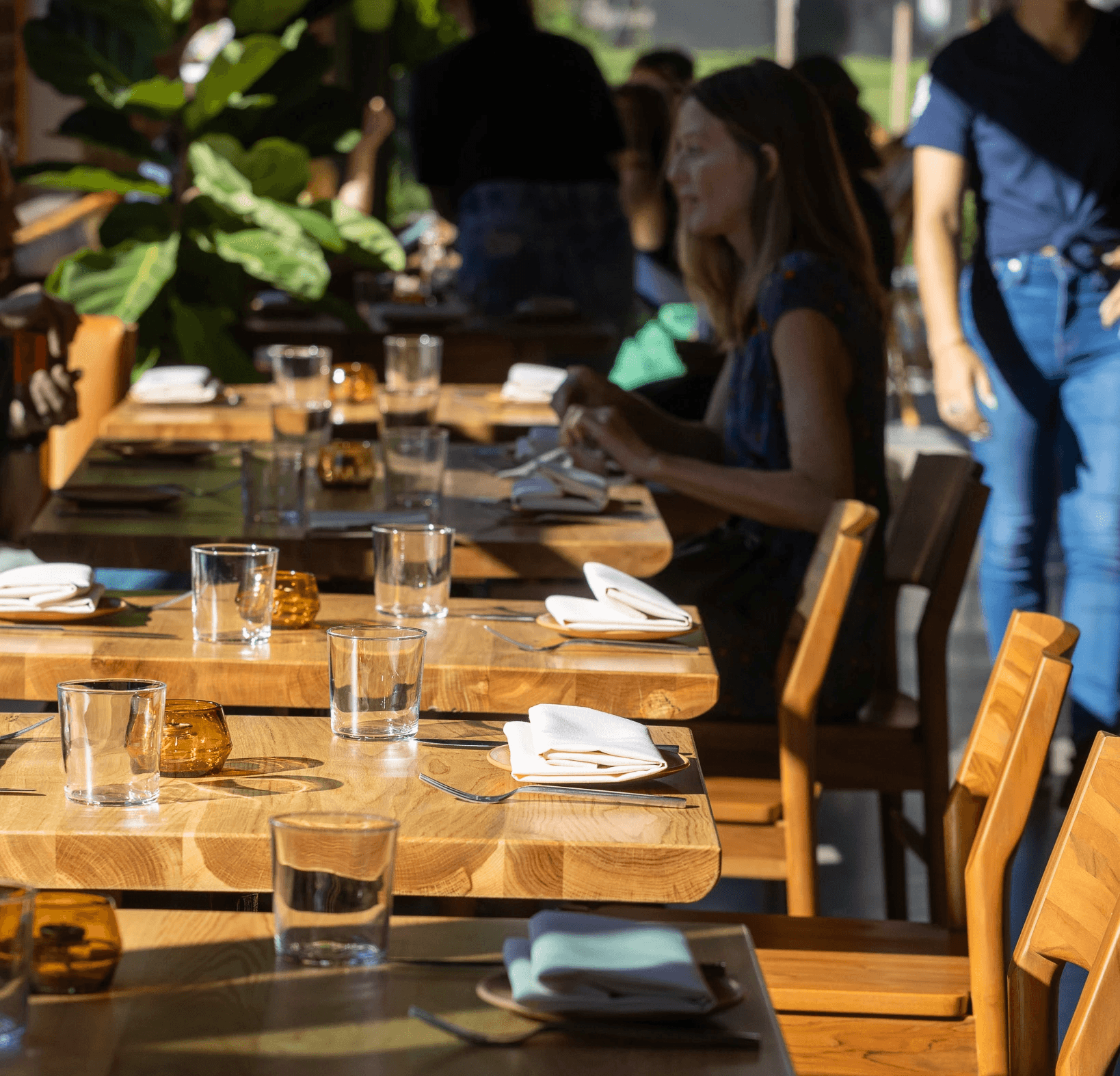
Wild by Day, from 11am to 4pm, seven days a week, is a fast-casual counter — what Chronogram called "a casual canteen." You order at the counter. The menu register is built around hearty bowls and the kind of plant-forward lunch that travels well to a desk or a park bench. Service is quick.
Wild by Night, from 5pm to 9pm, Wednesday through Sunday, is the same room rebuilt as a full-service dinner restaurant. Shareable plates. Entrees. A bar program. Candles, in spirit if not literally. Reservations.
Chronogram put the format precisely: "Open seven days a week, the restaurant accommodates both rhythms of daily life: fast-casual lunches for a quick, nourishing bite, and a slower, more intentional full-service dinner." That sentence is the operational thesis. Two services. One room. Different rhythms.
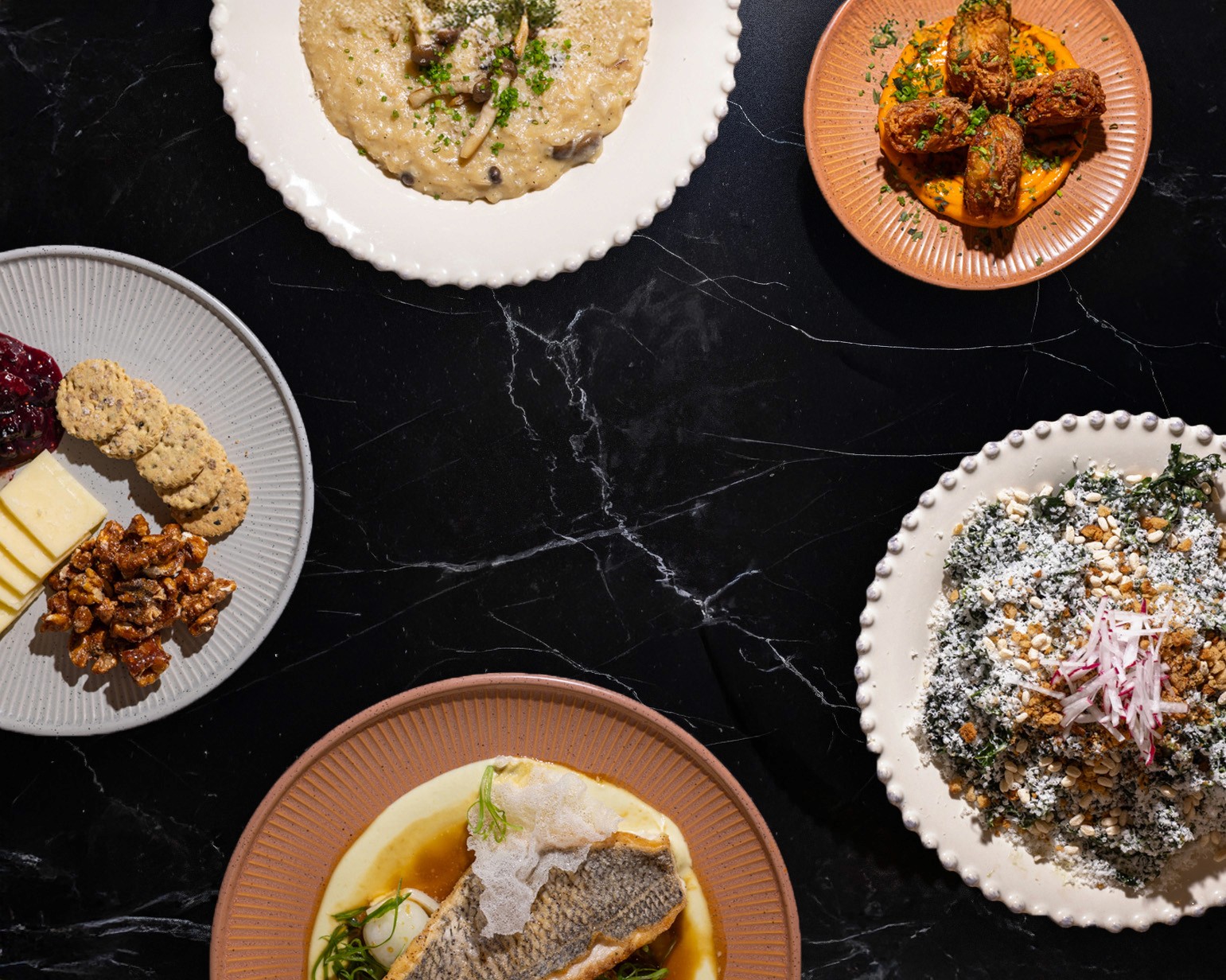
And upstairs, a third register — a social club and event space running yoga, meditation, wellness workshops, and private gatherings. The building is, in practical effect, a daytime cafeteria, an evening restaurant, and a community room, depending on the hour you walk in.
That is a lot to ask of one address. The question for the rest of this piece is what the team had to do, structurally, to make it work.
The team
The team carries the answer.
Jessica Gonzalez is the General Manager and the architect of the bar program. She is one of the first female bartenders ever to open Death & Co in New York — the room widely credited with restarting the American cocktail conversation — and the former Head Bartender at The NoMad, where she helped the program win Best Bar Program in 2014. Twenty-plus years in the service industry. That is a New York cocktail-world pedigree running a Beacon restaurant.
Angelyne Schofield is the Executive Chef. She has been with the team since 2021 and brings what Chronogram called "a plant-forward sensibility" — the architecture that lets the menu lean vegetarian while still serving the sustainable seafood and local meats that anchor a number of the dinner plates. She came up through garde-manger work at Mohonk Mountain House before joining the team.
Jonathan Leman is the Head Baker. He runs the bread and pastry program and is, on Instagram, @thebeaconbaker. The most technically demanding thing The Wild does is bake — because the entire menu, every loaf, every flatbread, is gluten-free, and gluten-free bread is one of the genuinely hard problems in contemporary baking. Leman has been solving it for years.
Elizabeth Teachout and Jade Leman complete the founding operating team.
The thread that runs through all of them is the previous chapter.
The Ella's Bellas lineage
This is the part of the story that gives The Wild its weight.
In 2011, Carley Franklin Hughes opened Ella's Bellas at 418 Main Street, Beacon — a small bakery built around a deliberate constraint: 100% gluten-free, vegetarian, made from scratch. It was the kind of operation a town has either zero of or one of. Beacon had one, and it became a local fixture.
In 2020, the team behind what would become The Wild — Gonzalez and her partners — took over the Ella's Bellas space and rebranded it as Kitchen & Coffee. They kept the original constraint. Everything on the Kitchen & Coffee menu remained gluten-free. The bread program, the pastries, the coffee, the prepared lunches — all of it built on the architecture Hughes had set up a decade earlier. The crew won Hudson Valley Magazine's Best of Hudson Valley for Best Vegetarian Menu and Best Gluten-Free Menu — and "the award-winning crew" is how the press has referred to them since.
In August 2025, Kitchen & Coffee opened The Wild, next door, in the new corner building. The dinner room is the long-deferred extension of a fourteen-year mission. Same constraint. Same crew. Bigger room.
The Wild is not a gluten-free restaurant in the sense that it accommodates gluten-free diners. It is a gluten-free restaurant in the sense that the entire architecture of the menu is gluten-free by default.
That distinction matters. Most fine-dining rooms with strong vegetarian or gluten-free reputations adapt to those guests. The Wild is a room where the gluten-free decision was settled fifteen years ago and the menu was built forward from it.
The farm
The other structural commitment is the supply chain.
Titusville Farm sits on roughly one hundred and eighty acres on the eastern edge of Poughkeepsie, on land that has been a working farm since 1788 — when it was known as Cornell Farm. The team relaunched it as Titusville Farm in 2019, clearing it for certified organic vegetable, fruit, and flower production, with roughly twenty acres in open-field cultivation, two acres of greenhouse and high tunnel, plus pasture-raised hens and cider apples. Titusville is the team's own property — not a partner farm. The same ownership group runs the farm and the restaurants. The Wild is not "farm-to-table" in the loose sense the phrase has acquired. It is land-to-table by ownership.
Titusville is known regionally for its arugula and heirloom tomatoes, sells at the Beacon Farmers Market on Sundays, and runs its own CSA. The connection from field to plate at The Wild is, for many of the menu's vegetables, the team driving the produce in from Poughkeepsie themselves.
That structural integration is what makes the day operation viable. To run a hearty-bowl counter at lunch, you need produce daily, in volume, at a cost that lunch-service margins can absorb. Sourcing that from a network of small Hudson Valley farms with different pricing, schedules, and minimums is the kind of thing that grinds restaurants down. Sourcing it from your own farm thirty minutes away is a different operation entirely. The farm is what lets Wild by Day exist every day.
The bar
The bar program is what makes Wild by Night a destination instead of a competent dinner room.
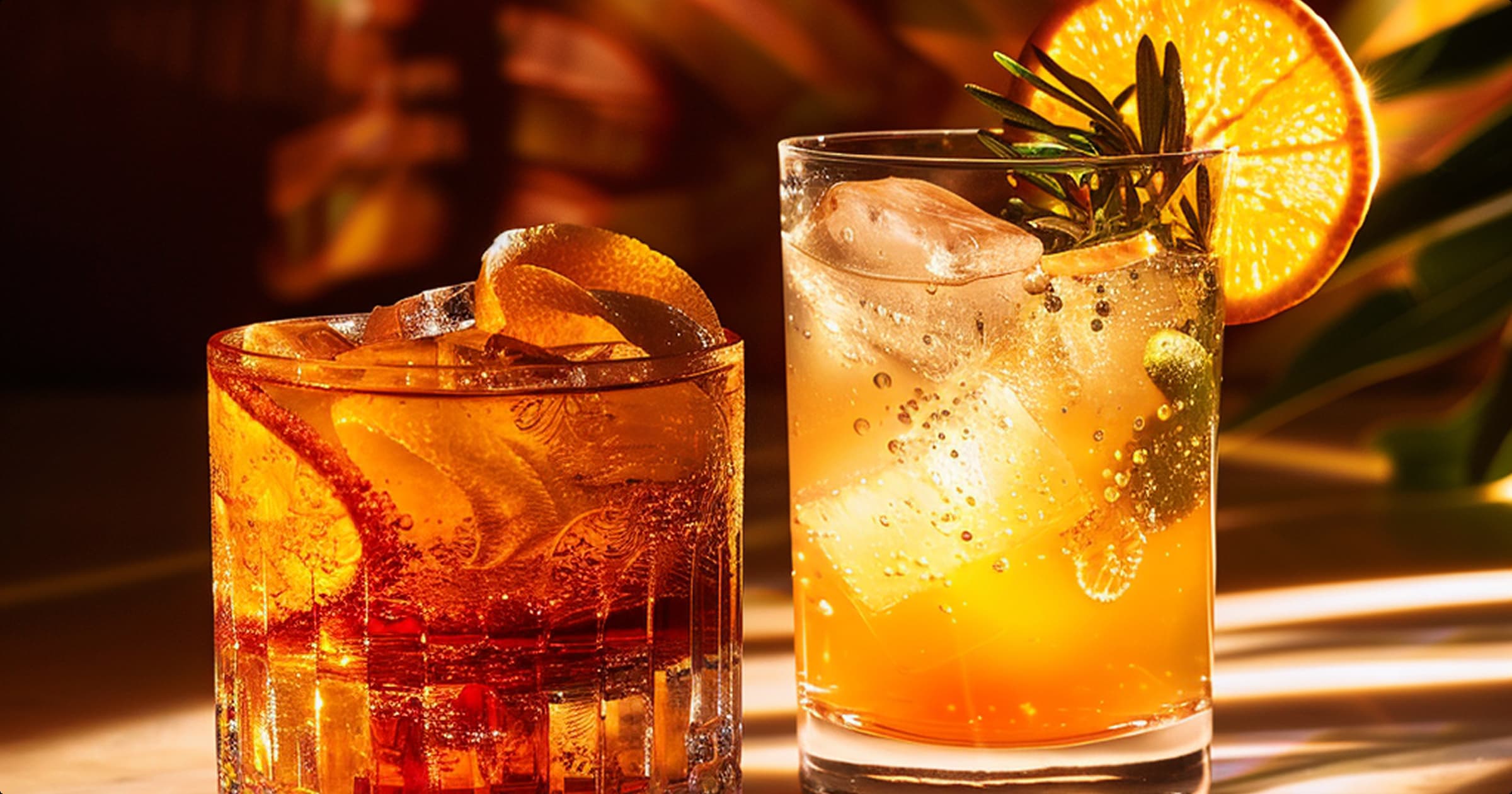
Jessica Gonzalez's cocktails sit at $16 and read like the early Death & Co bar book in a Beacon setting — Galloway Park Swizzle, The Last Man Standing, All Dirt Candy. The local cider list is curated. The wine list is natural and biodynamic. None of that is unusual at the price point.
What is unusual is the elixirs — the non-alcoholic cocktail program — priced at $12 and named with the same care as the drinks. Fresa Fresca, Coconut Grove, Green Light. Most restaurants treat non-alc as an afterthought; a mocktail menu printed on a separate card and rarely updated. The Wild's elixirs are a priced, named, equal category on the drink menu — and that is the Death & Co–era discipline of treating every guest's drink with the same attention. The press also notes herbalists and tea experts on the bar team, which makes the elixir program a botanically-grounded operation, not just sweetened citrus.
The cocktail and the elixir at $16 and $12 are within four dollars of each other. Both are real drinks. That is the bar program in one sentence.
What "the room that runs twice" means
The argument is about discipline.
Most restaurants do one thing. They are a lunch counter, or a dinner room, or a bar — and they aim to do that one thing well. The Wild has chosen to do two things in the same room, plus a third upstairs, and the four structural commitments that make that possible are visible in every choice:
- Own the farm. You can't run a daily lunch service at a sustainable cost if your produce is on someone else's schedule.
- Set the gluten-free architecture once. You can't switch dietary registers between lunch and dinner; the room runs one menu architecture both services, and that decision was made fifteen years ago.
- Build the bar program with the same attention as the kitchen. Wild by Night cannot run on a thrown-together drink list. The bar is the second half of the dinner.
- Use the upstairs. The yoga and wellness programming upstairs is not separate from the restaurant; it is the community-room dimension of a room that has chosen to be more than one thing.
That four-part discipline is what most restaurants find too expensive to attempt. The Wild's bet is that doing it well lets a single corner building be all of Beacon's downtown daytime life and a night-out destination at the same address.
What the rest of the valley can learn
Three things.
One. A constraint maintained for fifteen years is an asset, not a limitation. The all-gluten-free decision Carley Franklin Hughes made in 2011 is, in 2026, The Wild's most differentiating structural feature. Constraints that travel intact across ownership changes compound into character.
Two. Vertical integration is what makes operational complexity affordable. The Wild can do twice-a-day service in part because the farm is in-house. Other valley operators trying to run multiple services in one room should ask what they would have to own to make it work.
Three. Beacon's revival has room for new buildings. Most of the editorial conversation about post-industrial Hudson Valley towns is about adaptive reuse. The Wild proves there's also room for purpose-built new construction — when the program is precise enough to justify the building.
Go, then come back
The Wild Kitchen & Bar is at 416 Main Street, Beacon, NY 12508, corner of Main and Schenck. Lunch is 11am to 4pm, seven days. Dinner is 5pm to 9pm, Wednesday through Sunday. Bowls at lunch. Shareable plates at dinner. Order the $16 cocktail and the $12 elixir and notice that they get equal care from the same bar. Climb upstairs if a workshop is on the schedule. Walk Main Street after — past Witch Please, past the indie galleries — and notice that the new corner reads as native to the strip because the building was designed to.
Then drive home and ask, of any restaurant near you: would the same room work twice in one day? That is the case for The Wild. And, quietly, it is the case for everywhere in the valley with enough structural discipline to be more than one thing in one room.
— The Editors