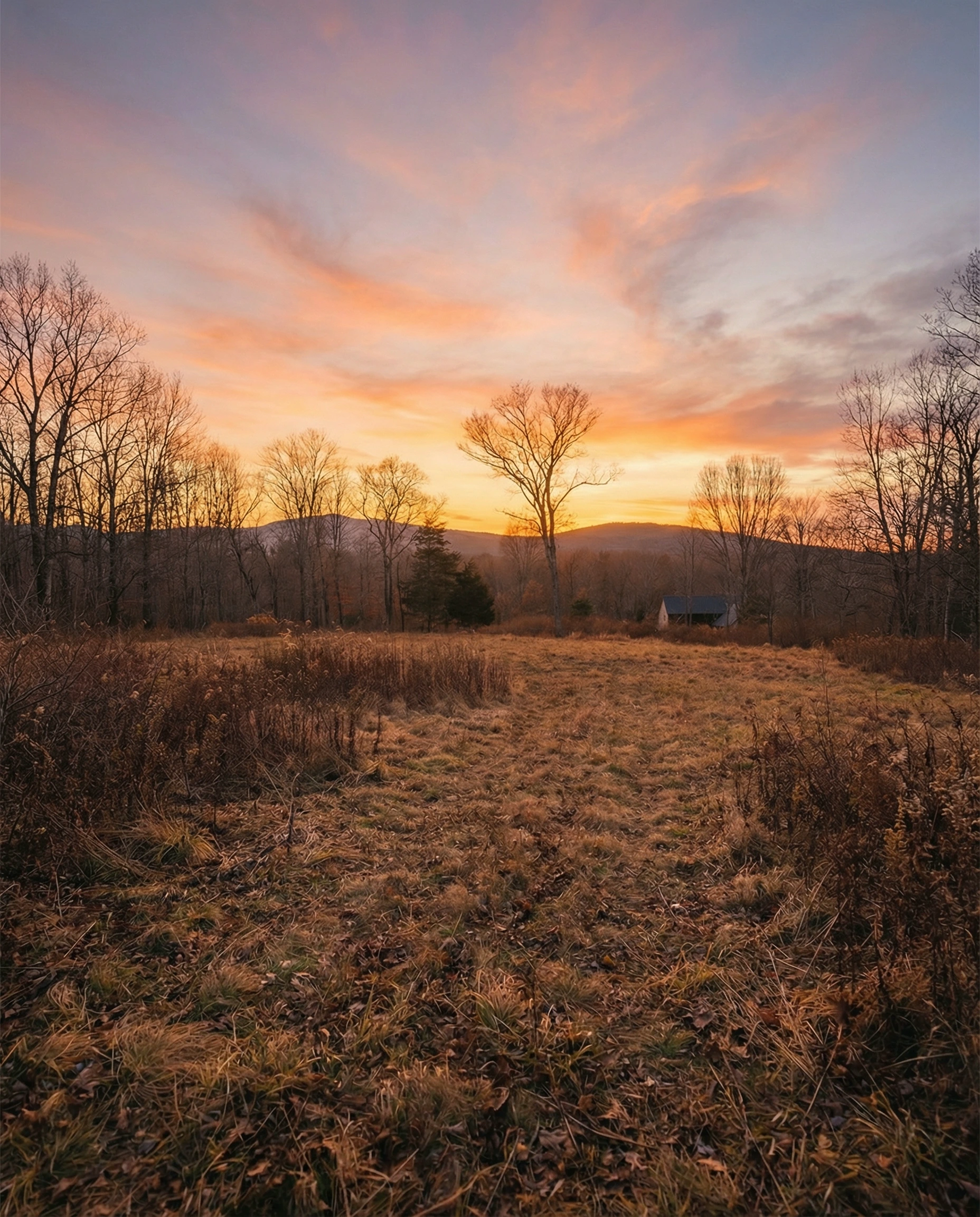

Ridge crest · Catskill horizon
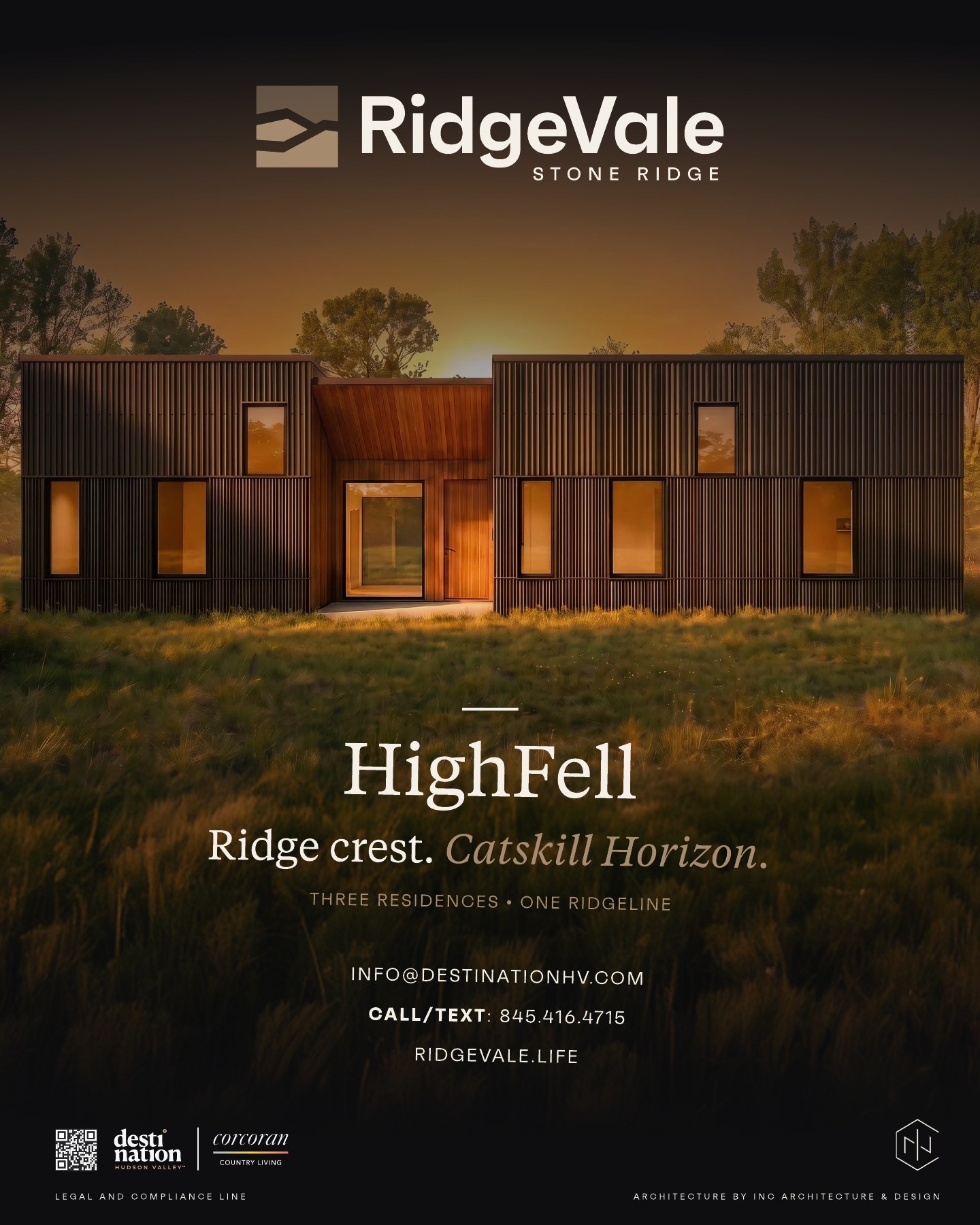
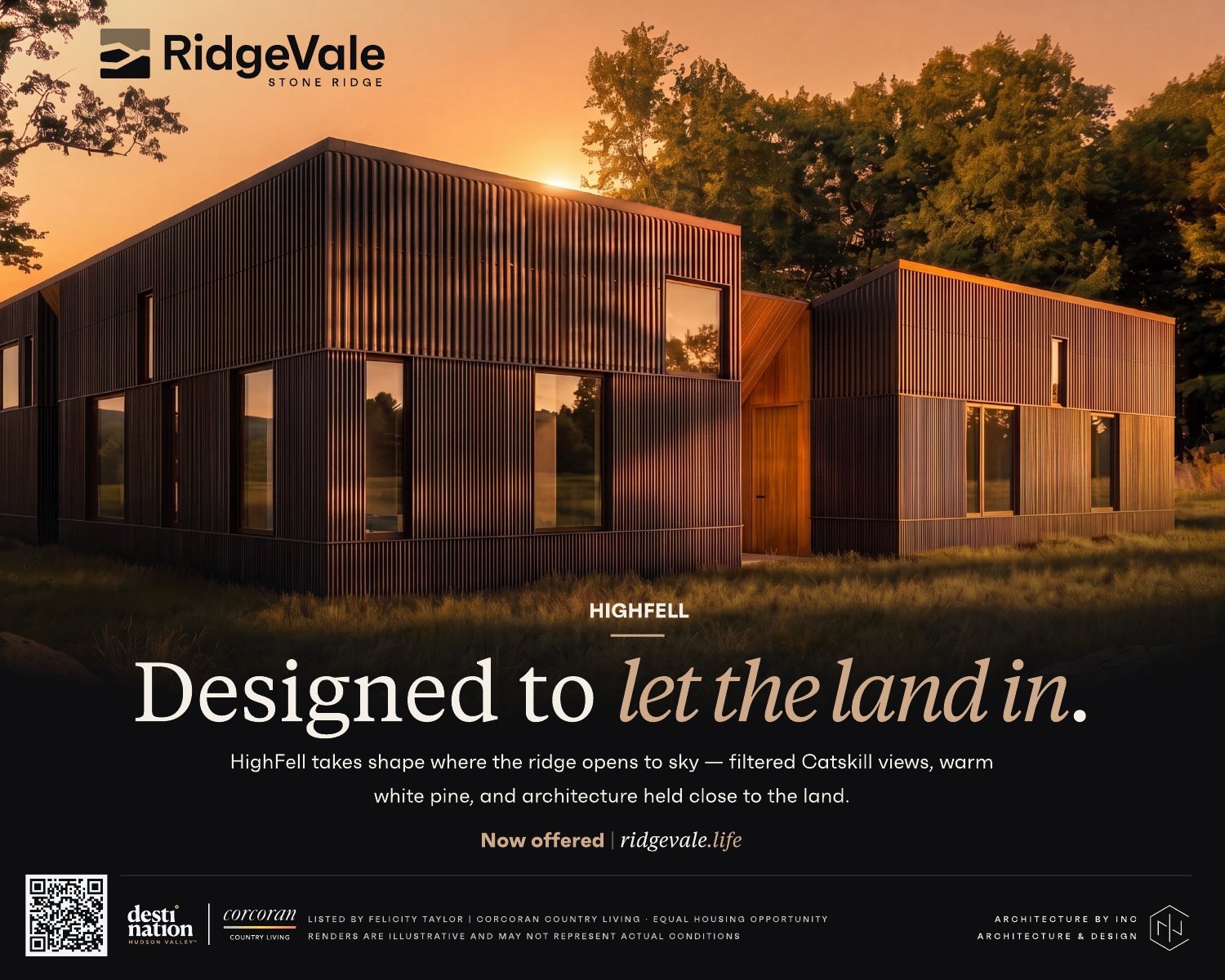
Set on the highest clearing, with filtered views toward the Catskill horizon.
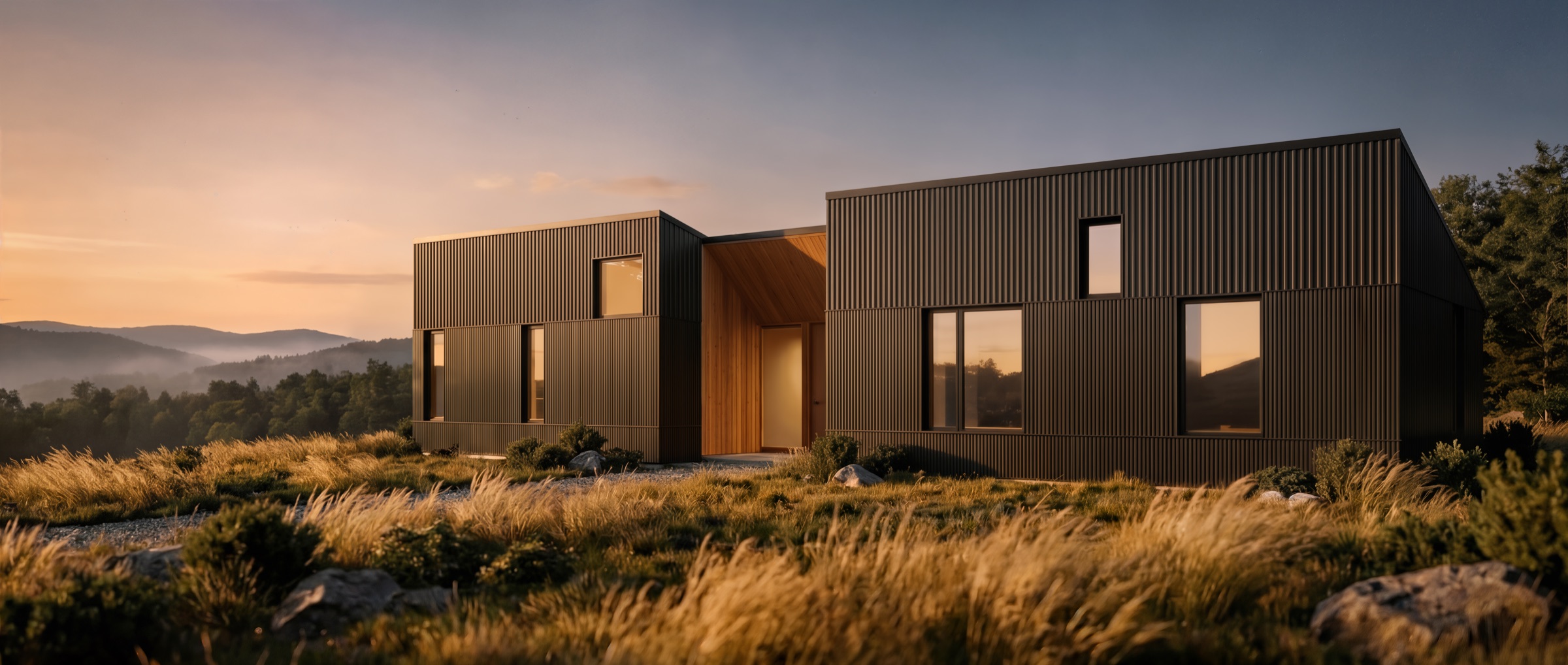
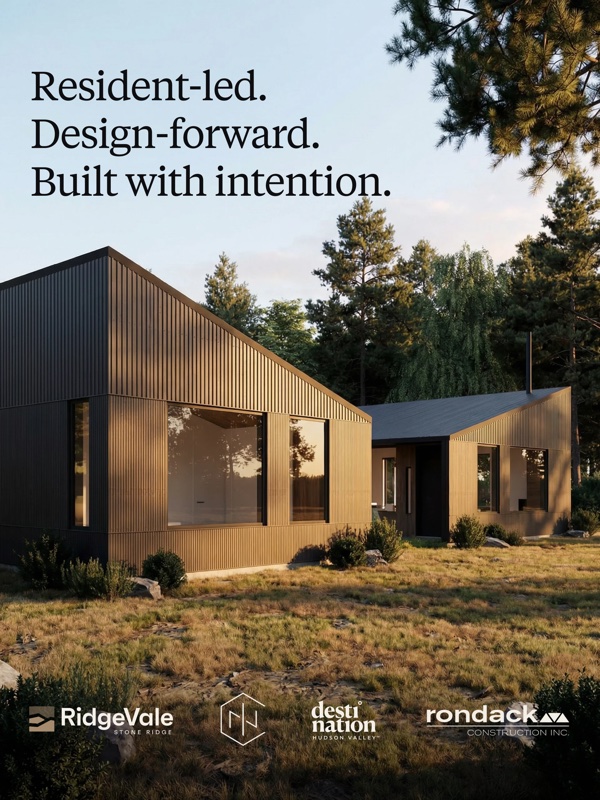
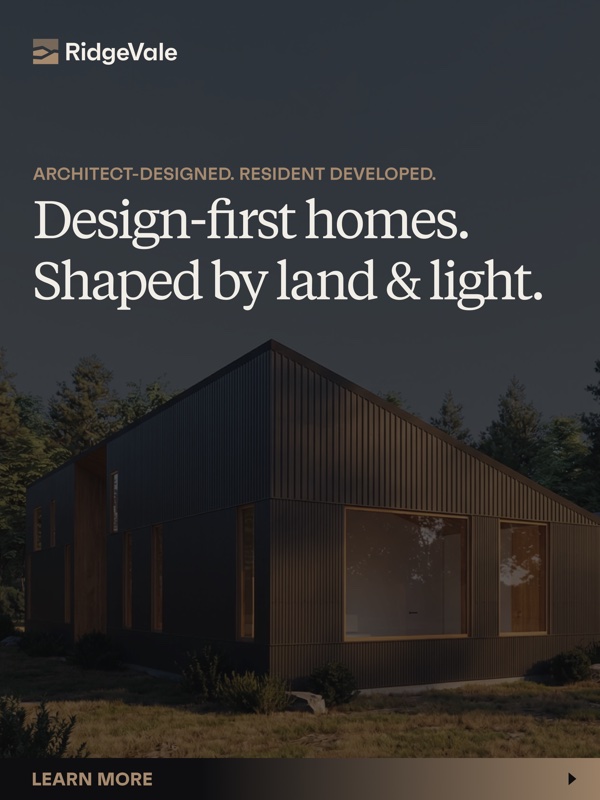
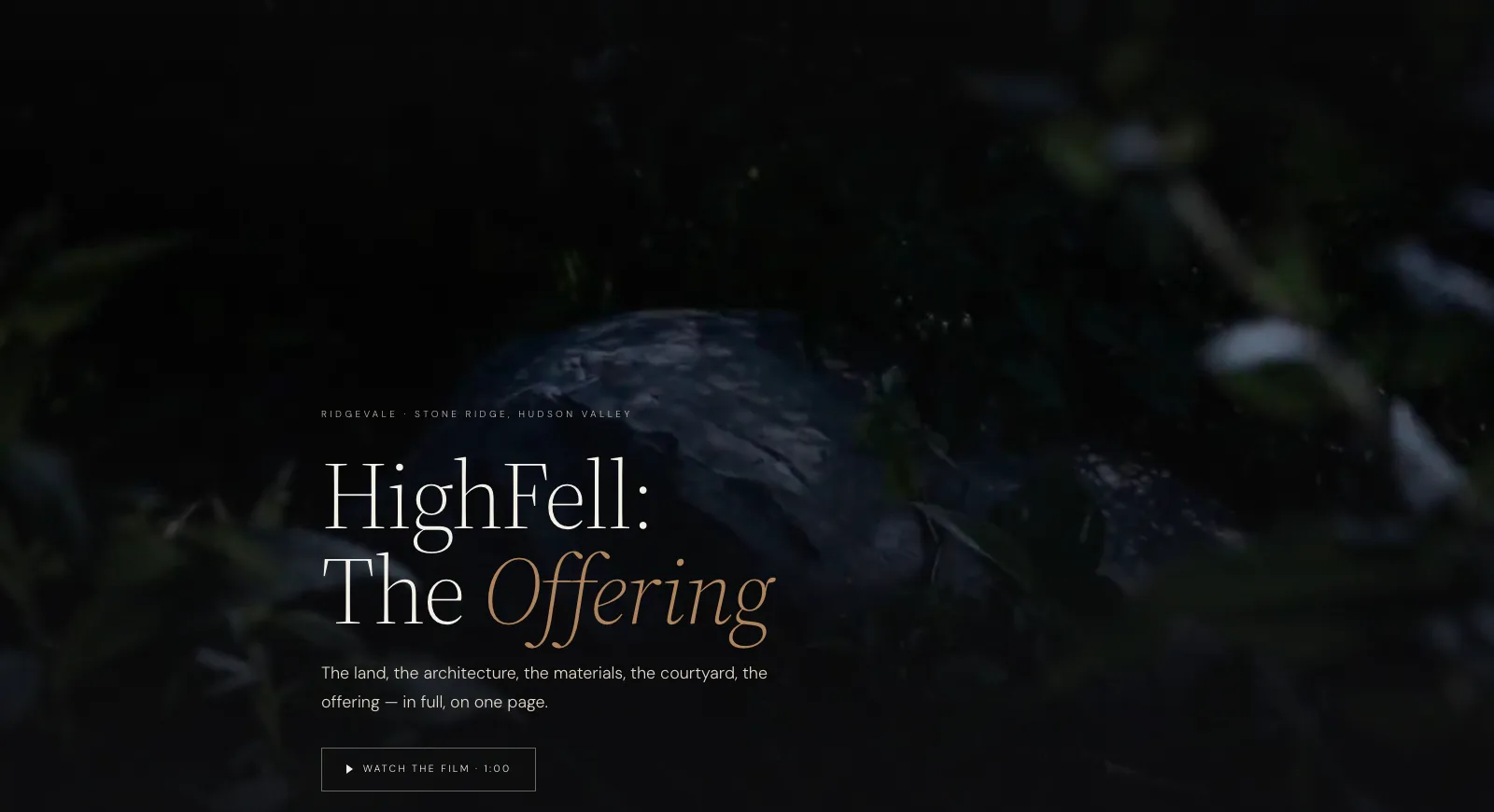
Three architect-designed residences on a ridgeline in Stone Ridge. Engaged pre-architecture — named, positioned, rendered, and taken to market. The first residence, HighFell, listed in July 2026 — carried by a brand that had existed for a full year before it.
A ridgeline in Stone Ridge. A partnership with INC Architecture & Design. A builder in Rondack Construction. Three residences, still on paper, a year or more from market.
The architect was drawing. The builder was scoping. What would eventually sit on the land needed a reason to exist before it had a spec sheet — and the brand had to come first, or the brand would never catch up.
We were brought in before the foundation design was locked.
The brief had a second line, unwritten: every asset had to be built so it could run under a brokerage or under the developer directly — whichever the project needed, whenever it needed it.
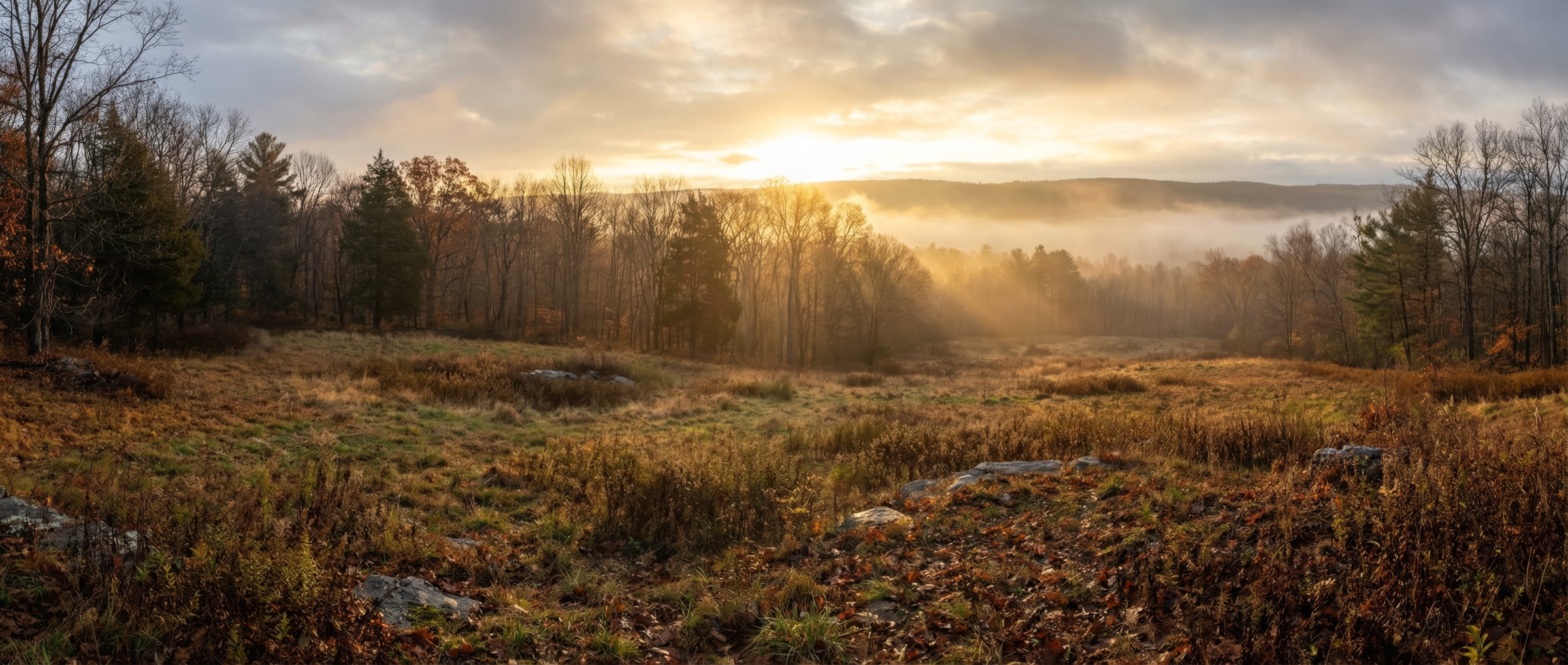
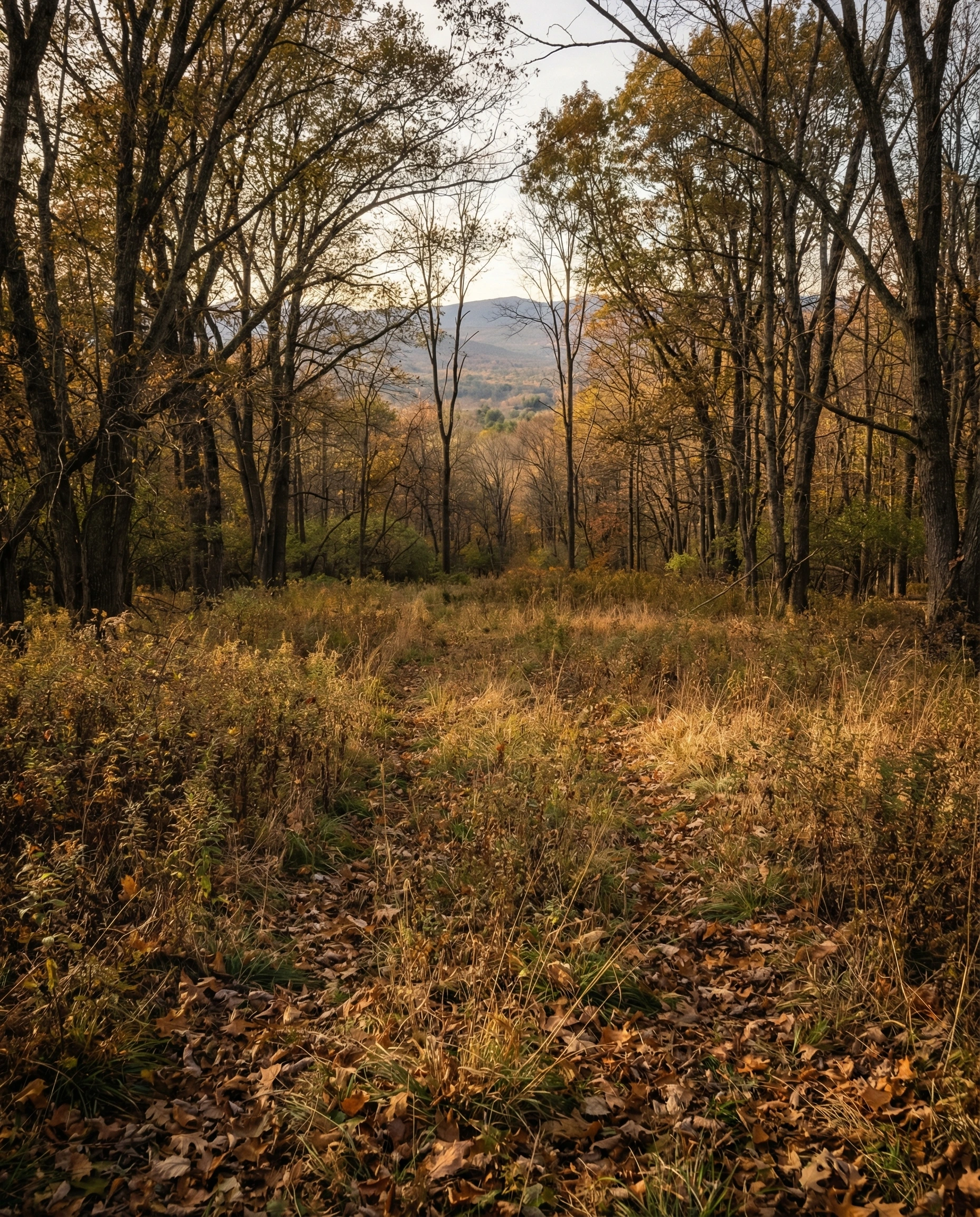
Every decision downstream — the names, the palette, the register of each residence — was taken from a piece of land that already had opinions. So the first commission wasn’t a logo. It was a walk with a camera, at the hour the ridge is most itself.
The photography did two jobs. It gave the renders a real place to stand — the same meadow, the same tree line, the same horizon a buyer would later see from the clearing. And it gave the feed its third designed drop — a seven-frame walk from the road in to the view from above; see Social, below.
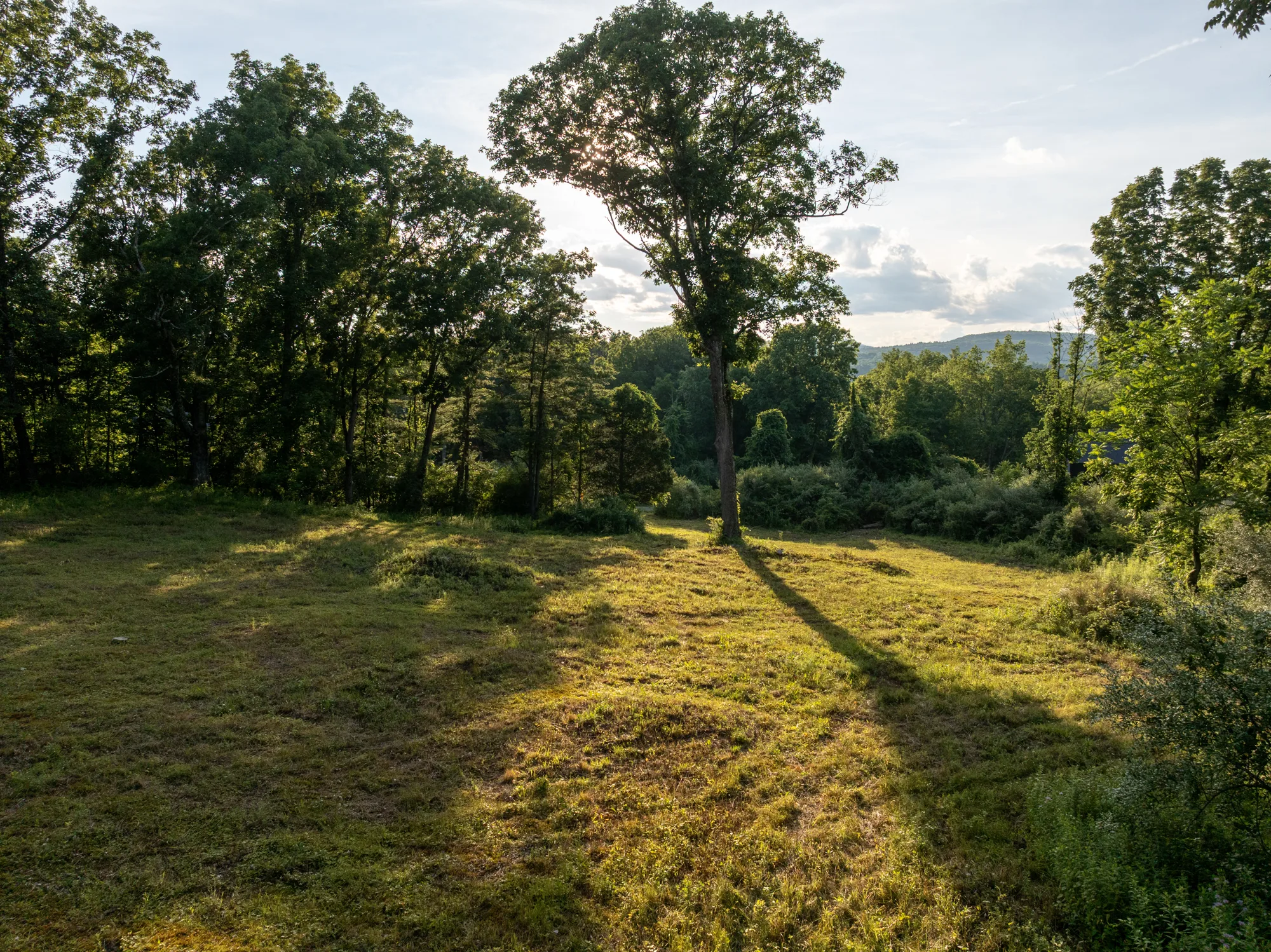
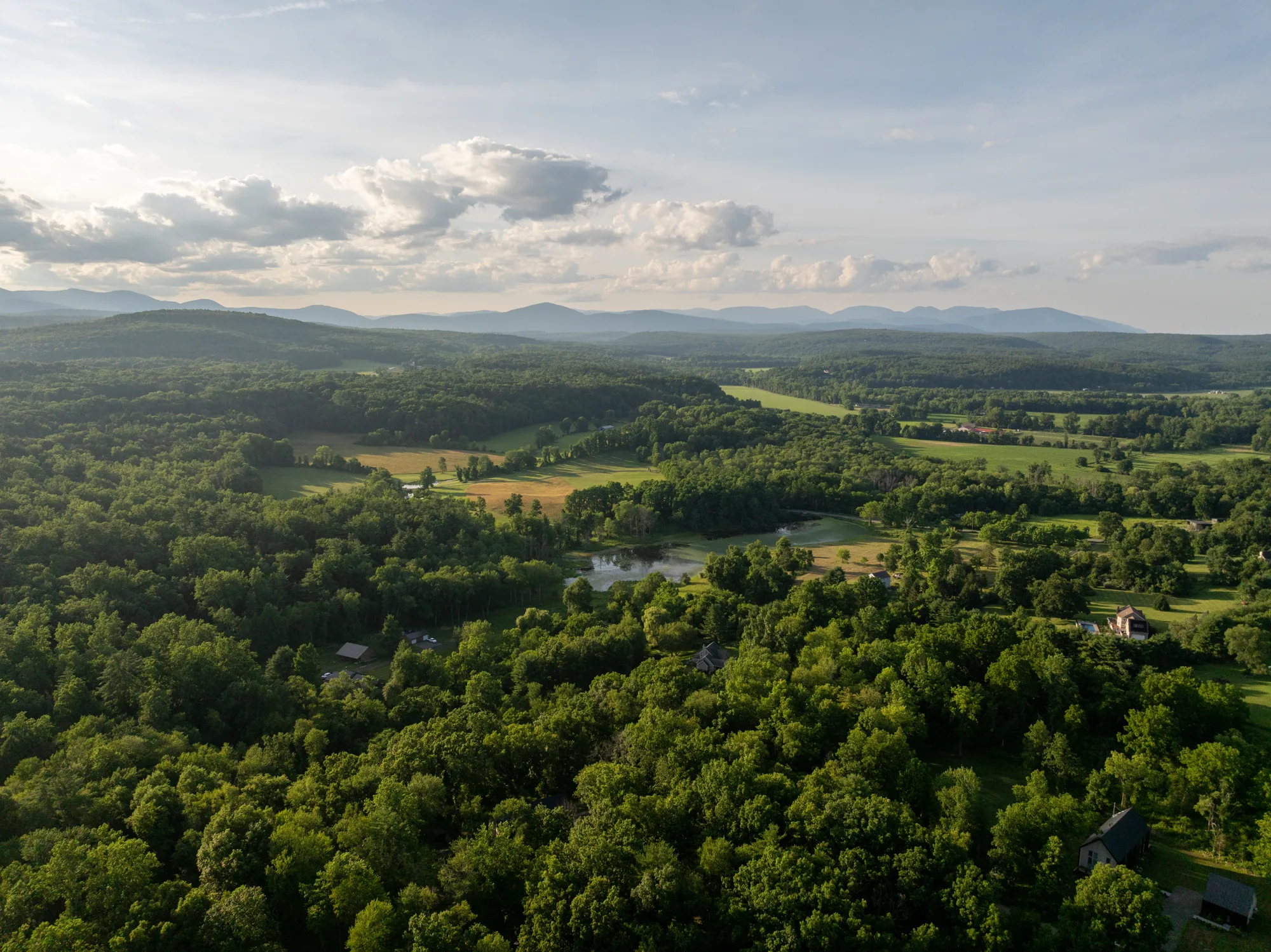
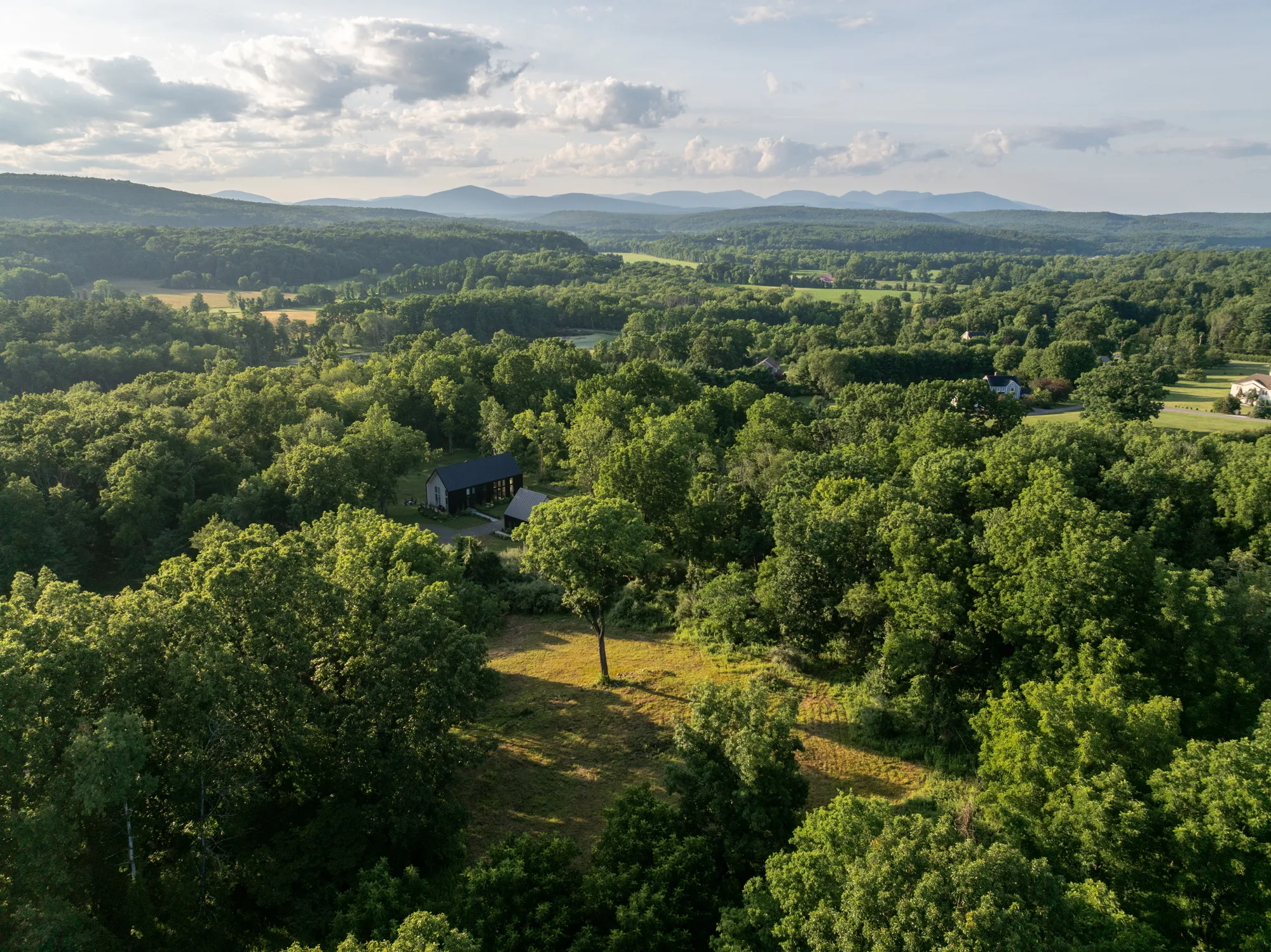

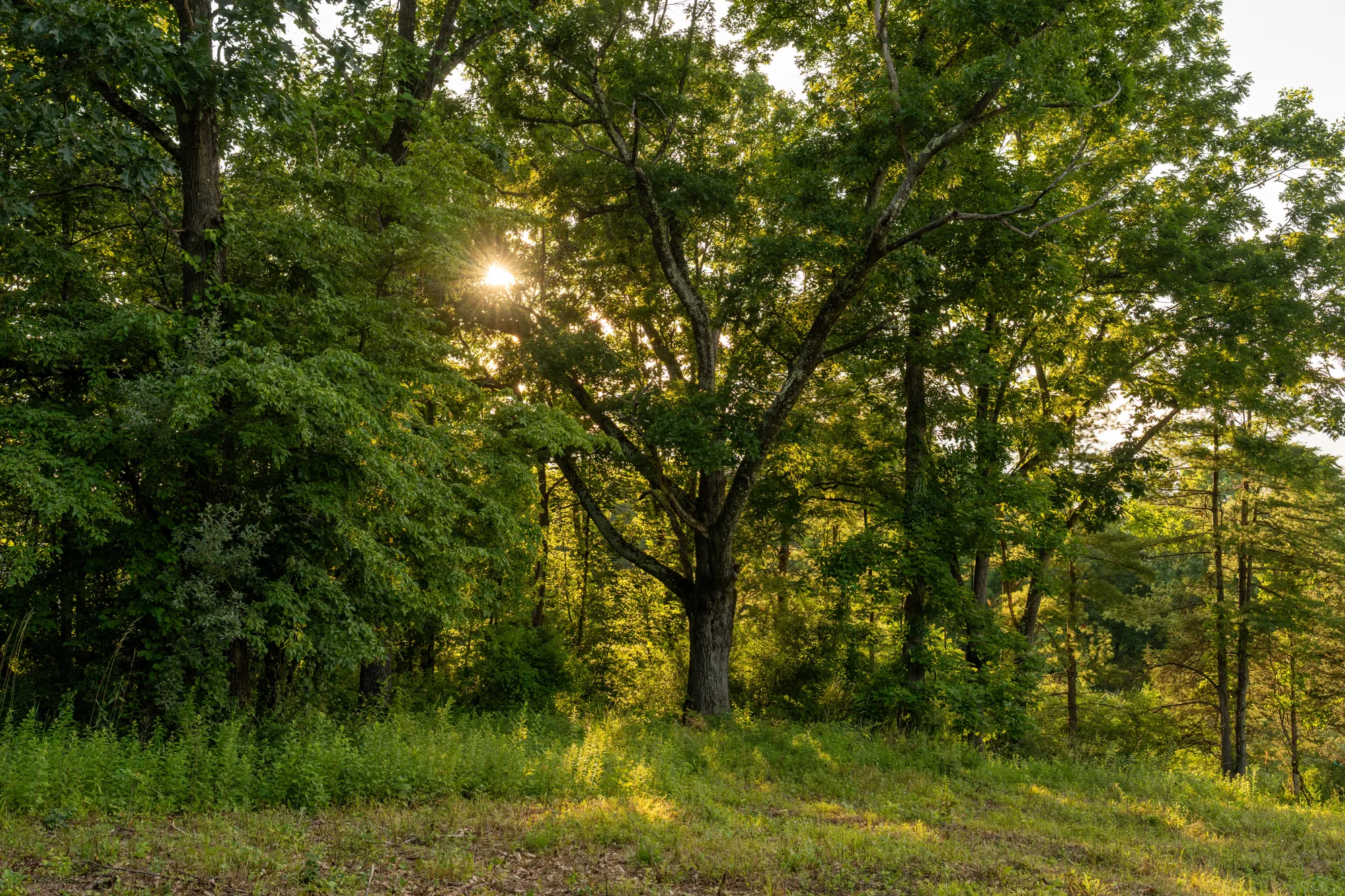
Land photography by Sundae Spaces, July 2026.
For a pre-listing, pre-construction project at this price point, the typical real estate approach — specs, floor plans, pricing up front — filters out more buyers than it attracts. The right buyer at this stage isn't comparing sheets. They're responding to a feeling.
We built a phased-disclosure model instead. Phase one is emotion, identity, and intrigue: no pricing, no timeline, no floor plans — a site calibrated to make the right person want to know more, not to answer every question. Phase two brings structure: lot pages, specs, site plan, pricing ranges. Phase three is transactional — MLS, brokerage, the paperwork.
The thesis is simple and it holds: what you leave out is as important as what you include. Strategic omission creates desire. Not knowing is a form of I don't want to miss it.
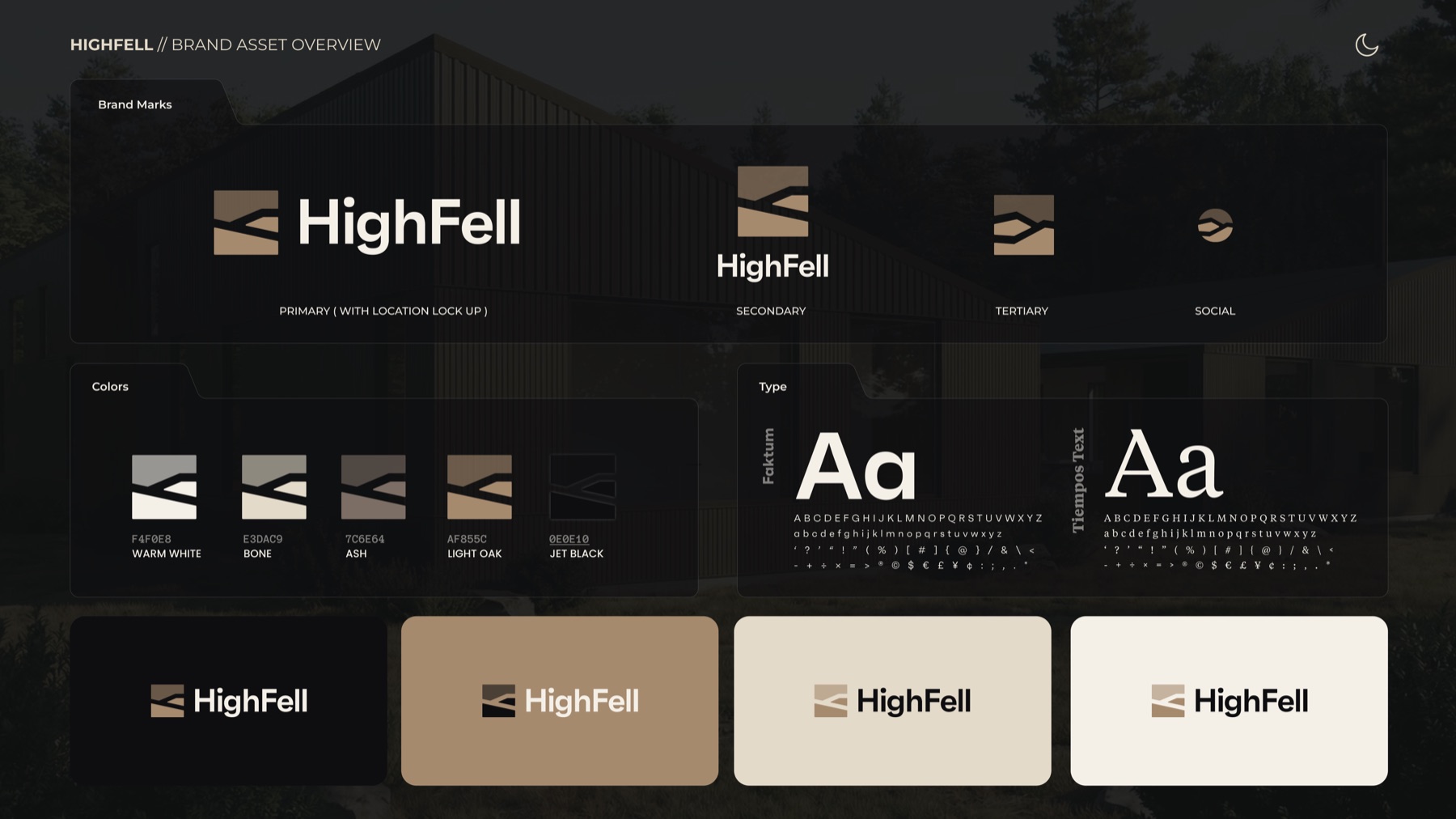
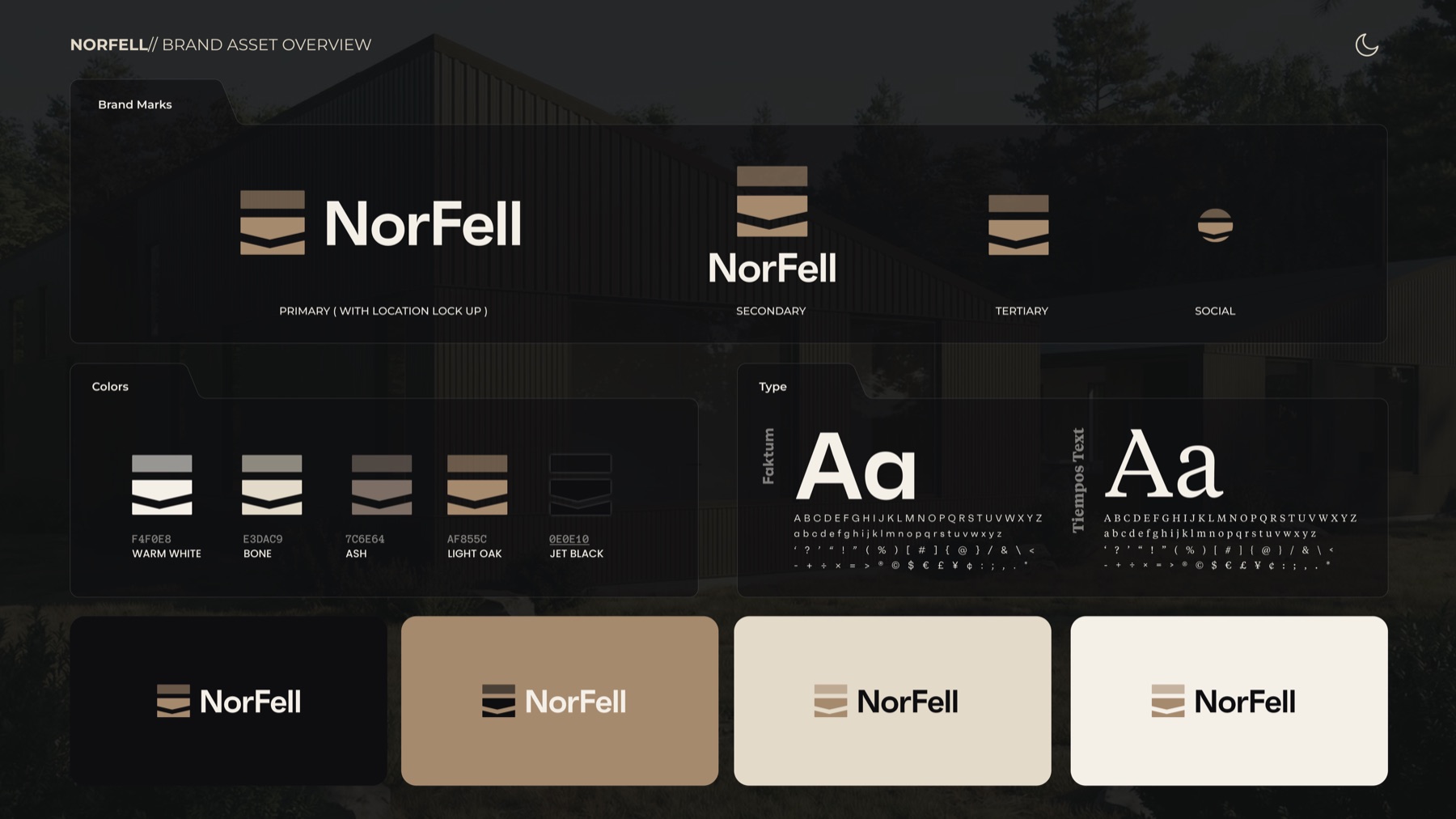
A wordmark with the restraint of a property, not the gloss of a spec build. A six-colour palette anchored by oak and jet, borrowing from the land without becoming a rustic cliché. Two typefaces — DM Sans for clarity, Source Serif 4 for gravity — that could sit on signage, on a contract, or on the spine of a book without feeling out of place in any of them.
Design tokens, not just design decisions. The system exists in code the same way it exists on a moodboard, so every future surface — a brochure, a gate plate, a broker deck, a signature line on an email — inherits the same quiet discipline.
What follows is an abbreviated walkthrough of the identity presentation — the objective, the system, the selected direction, each lot, and the recommendation.
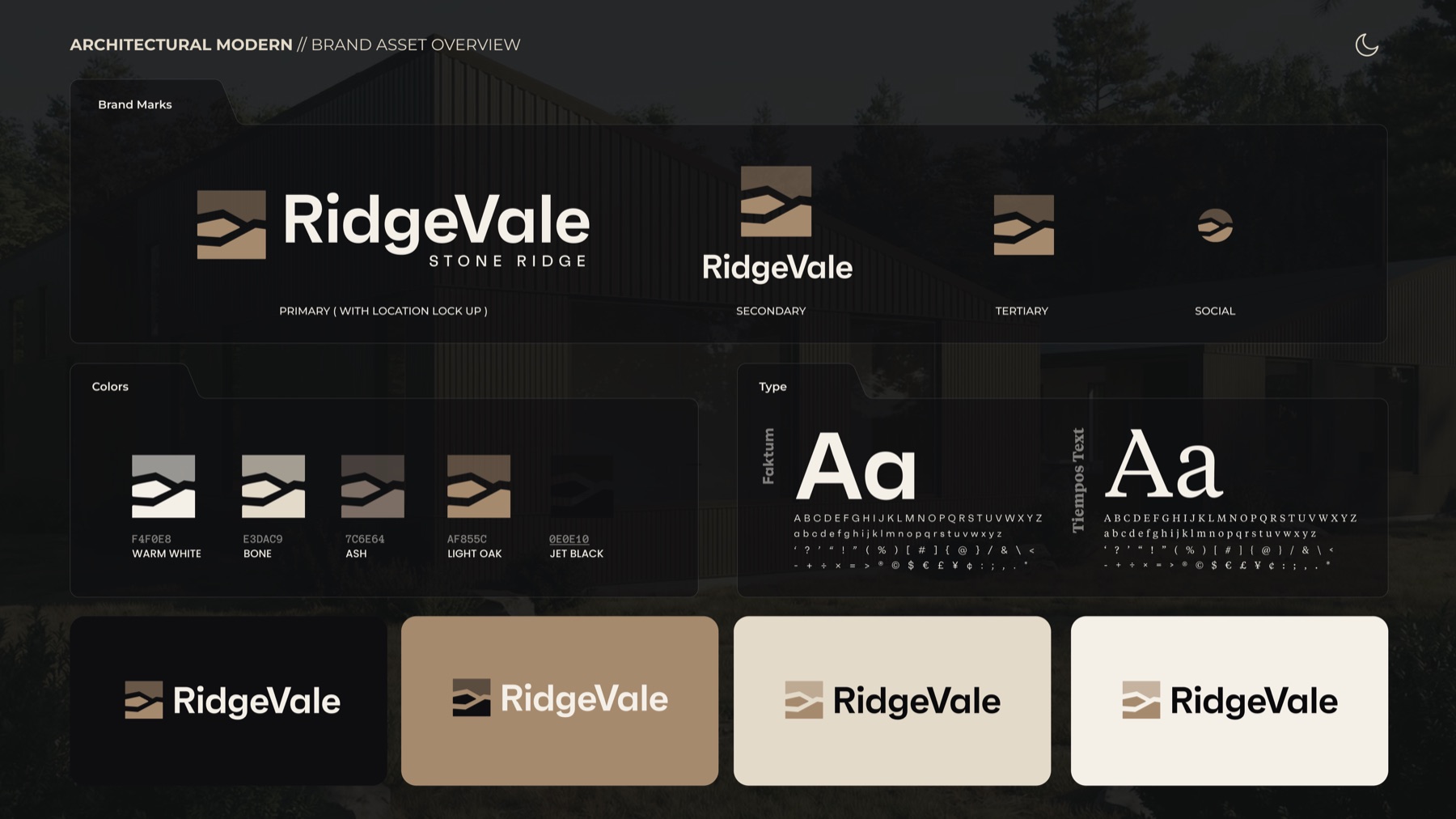
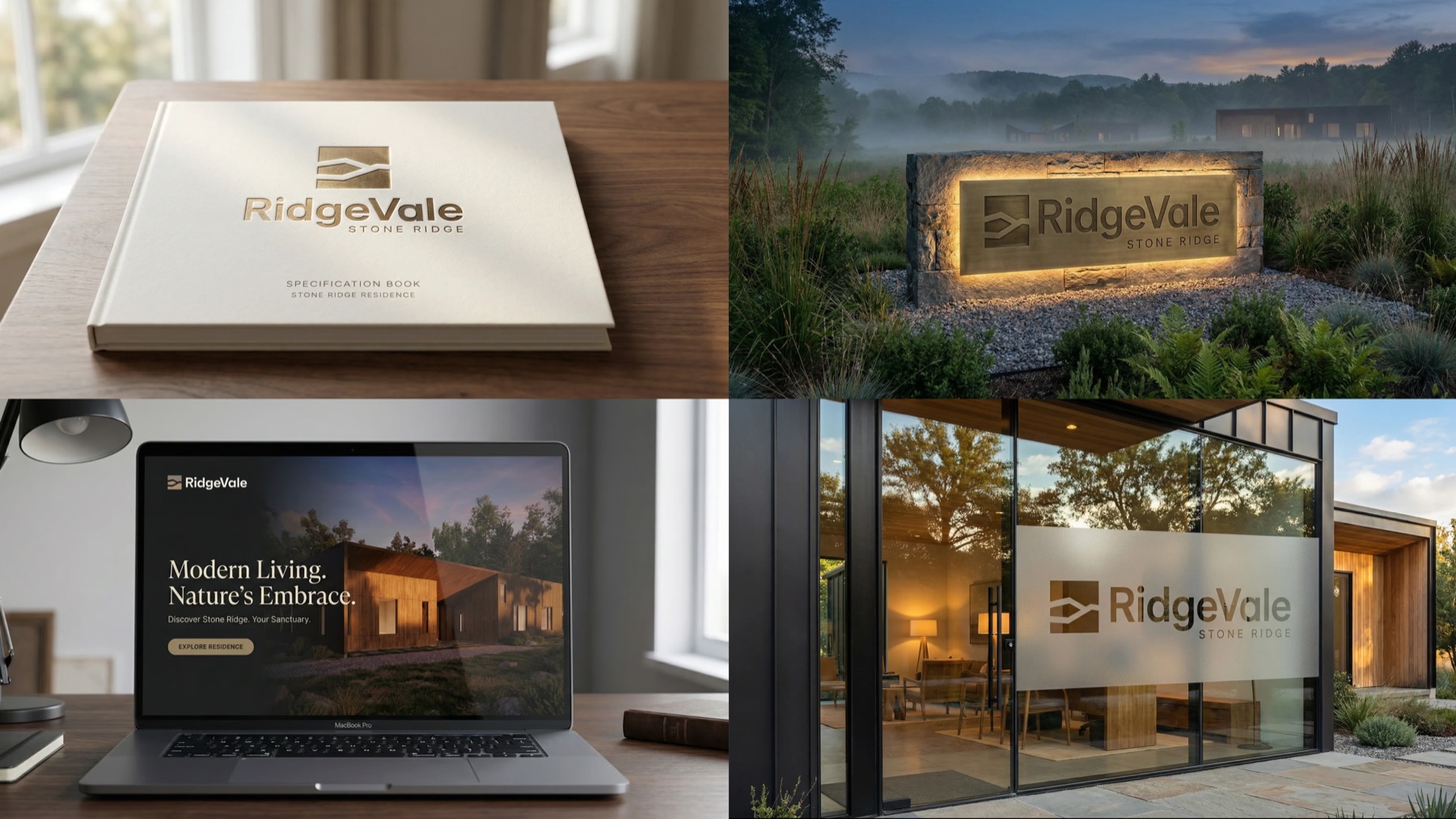
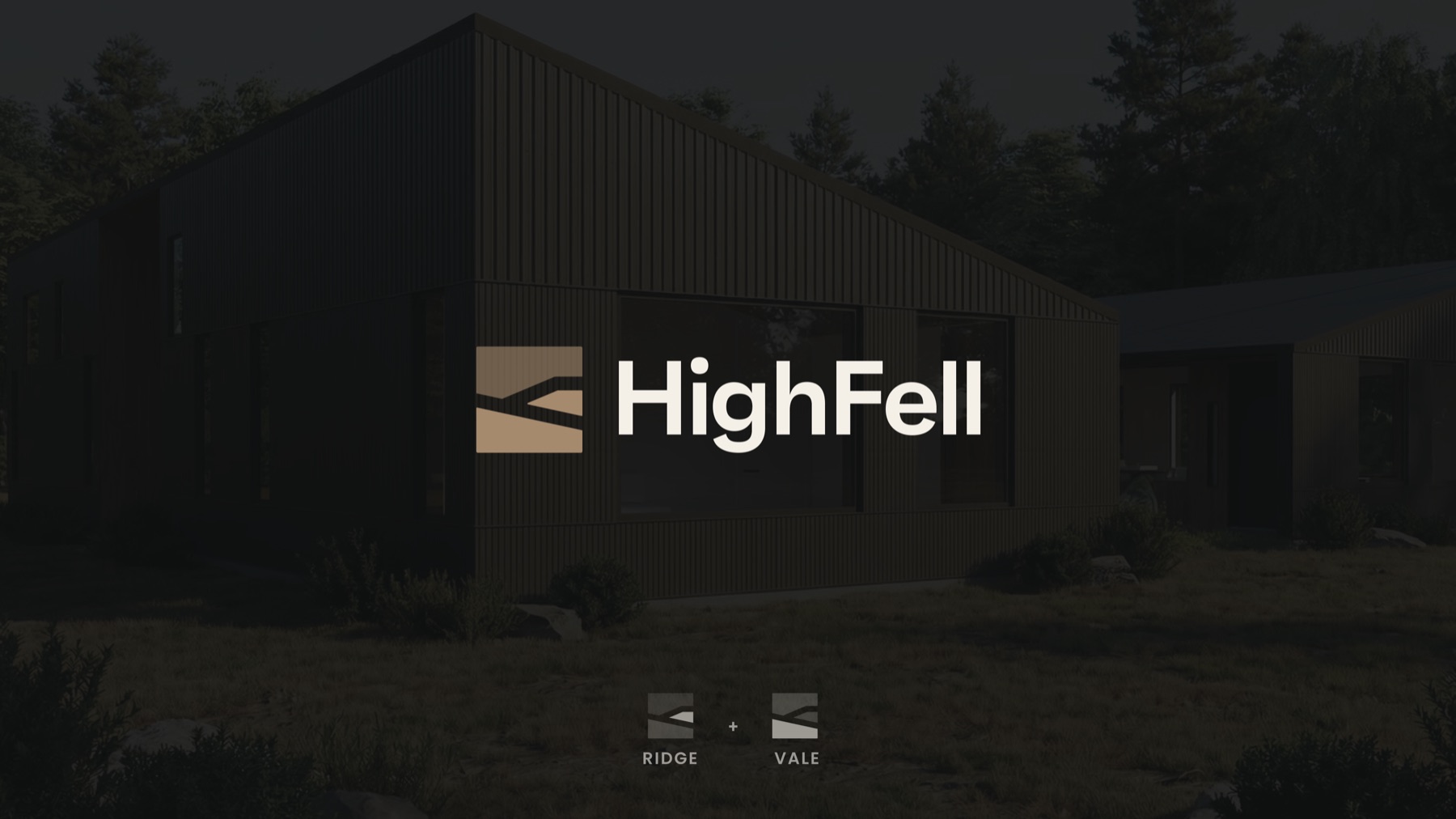
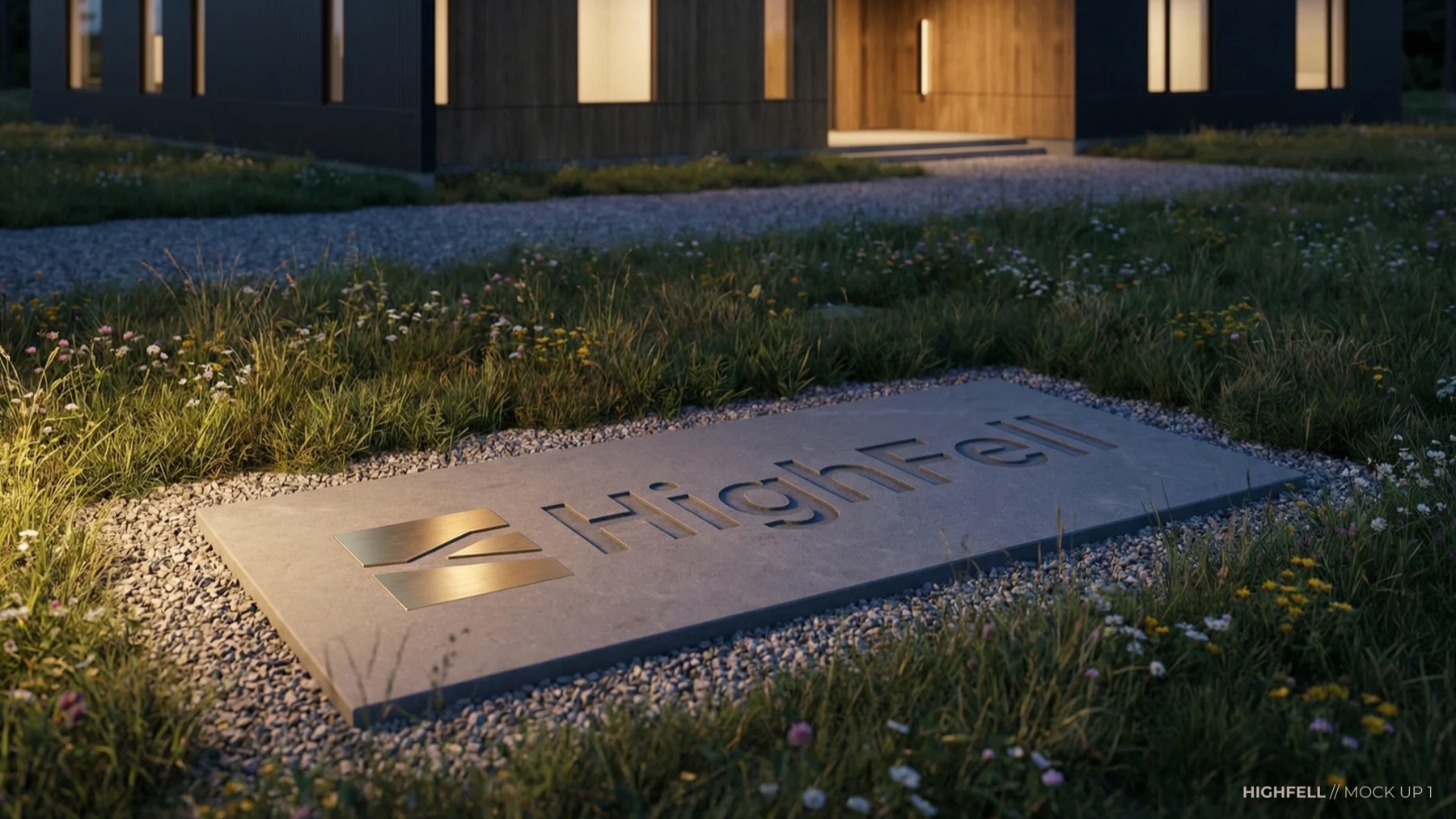
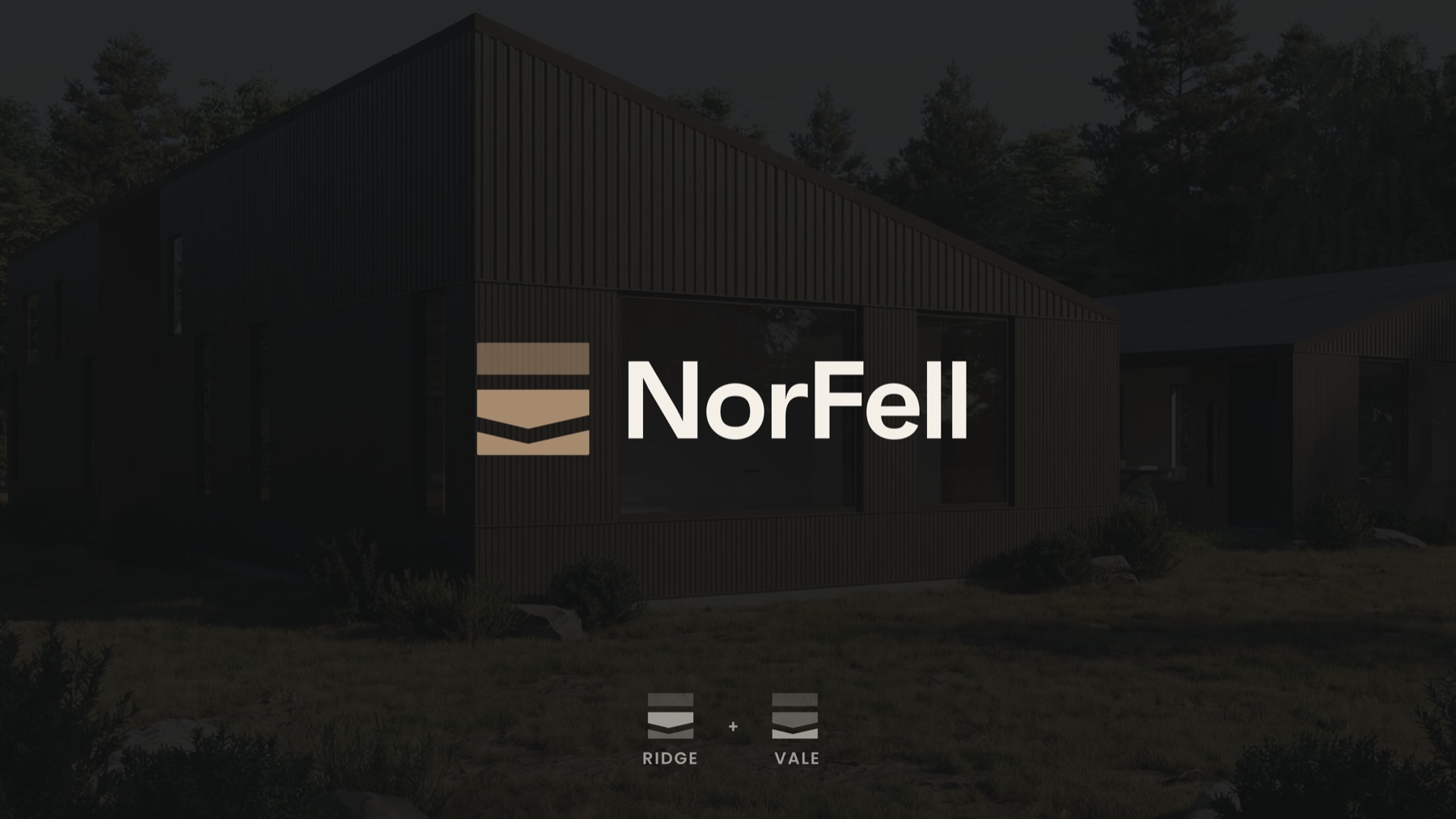
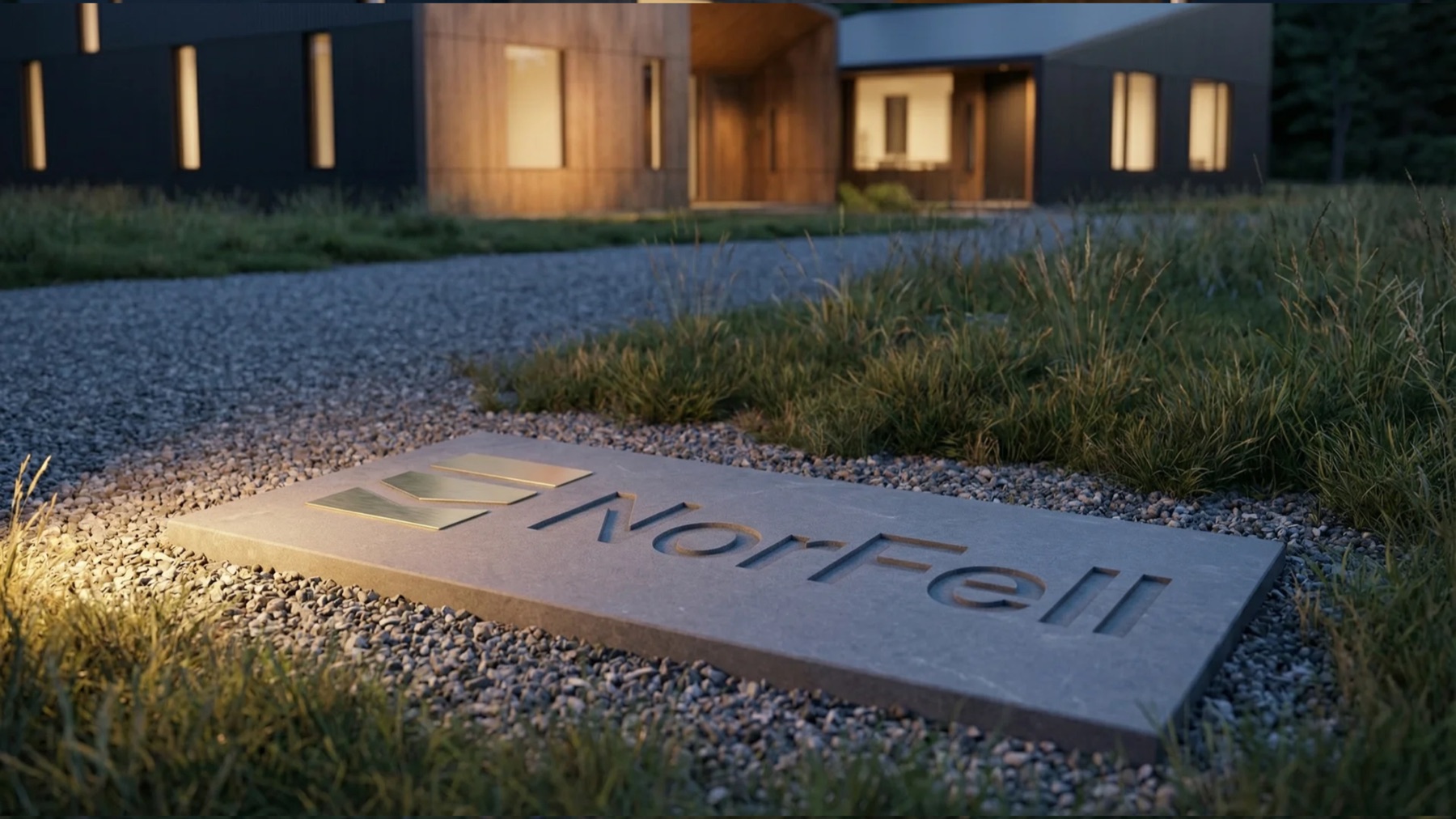
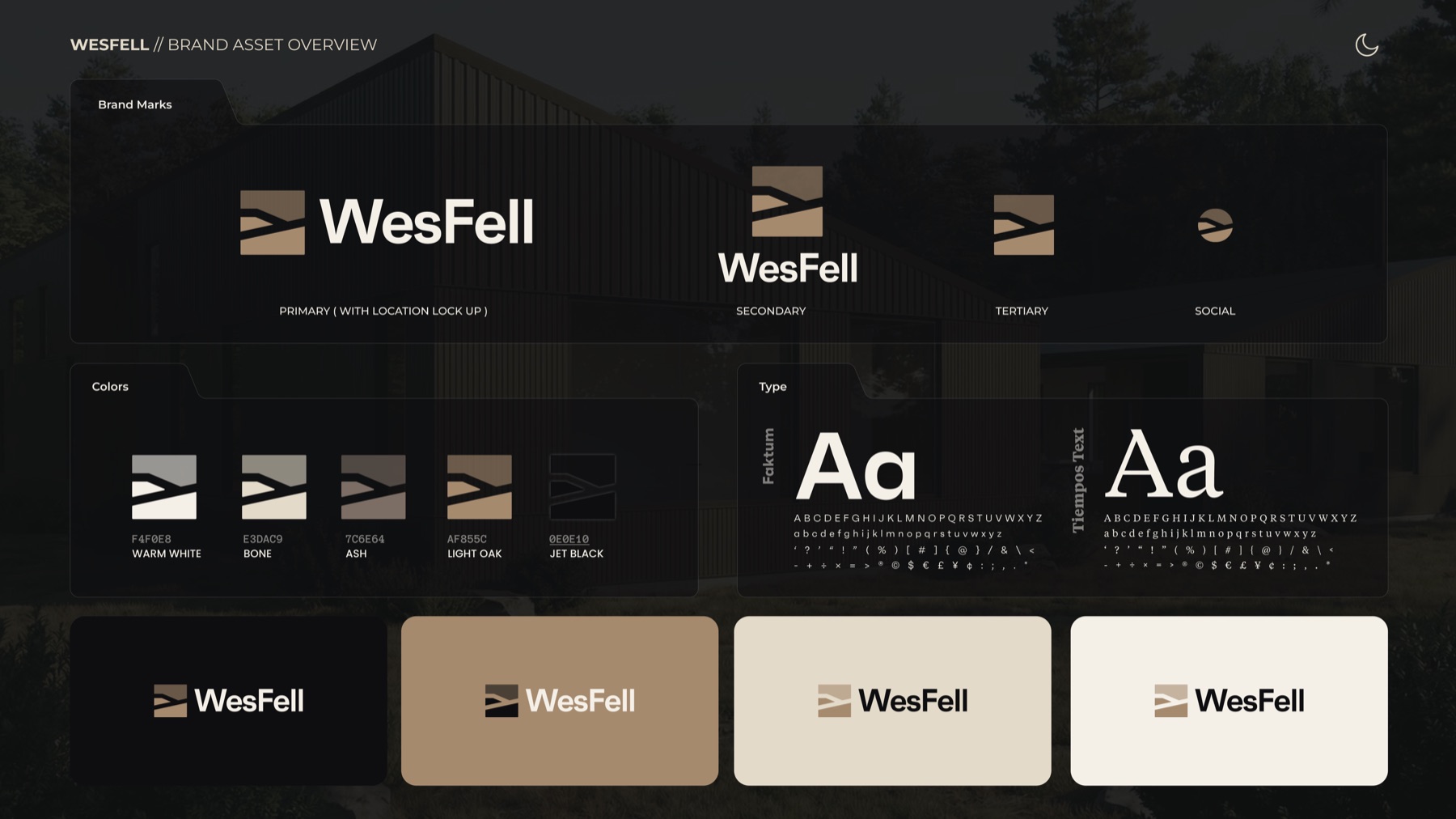
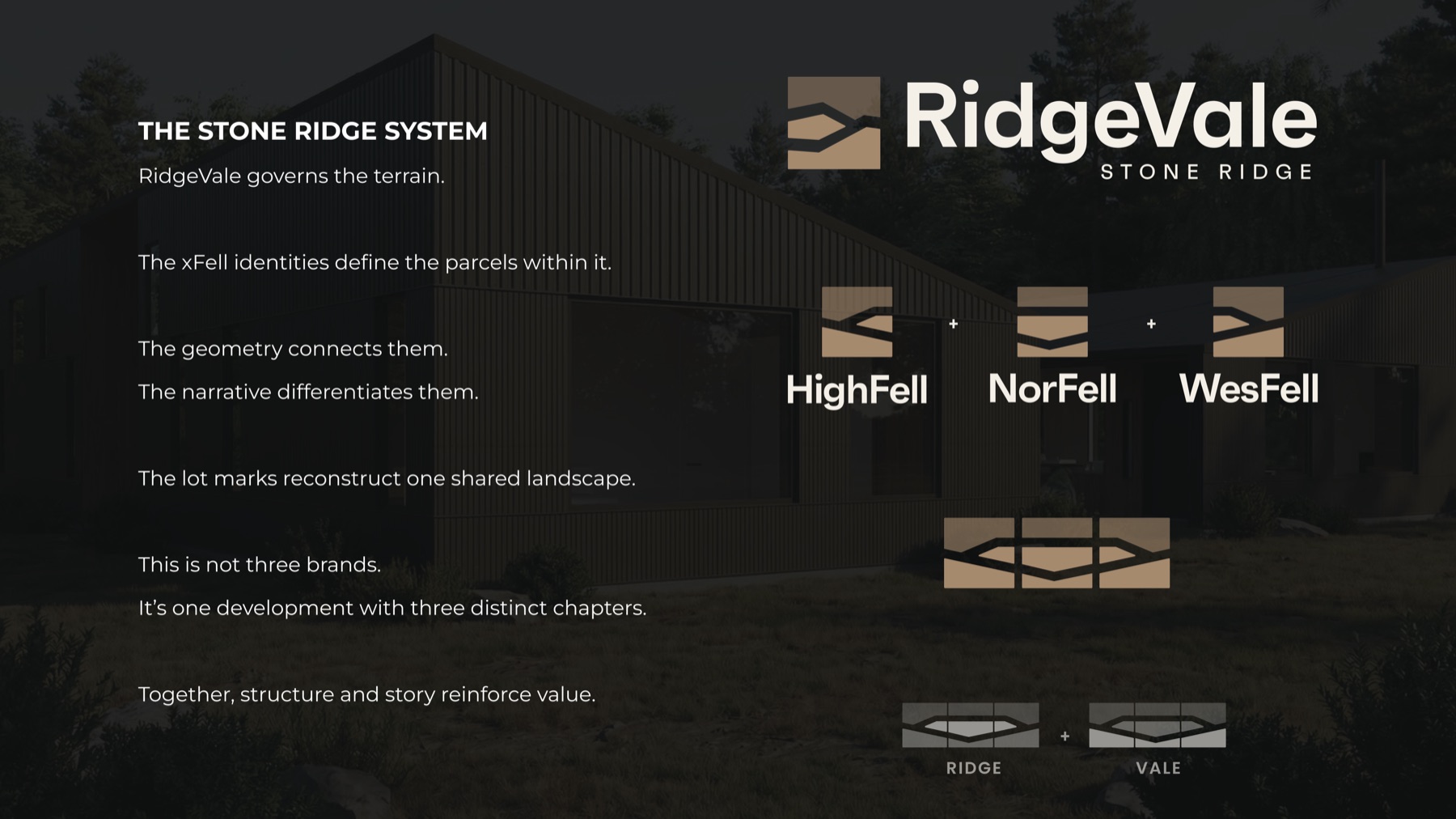
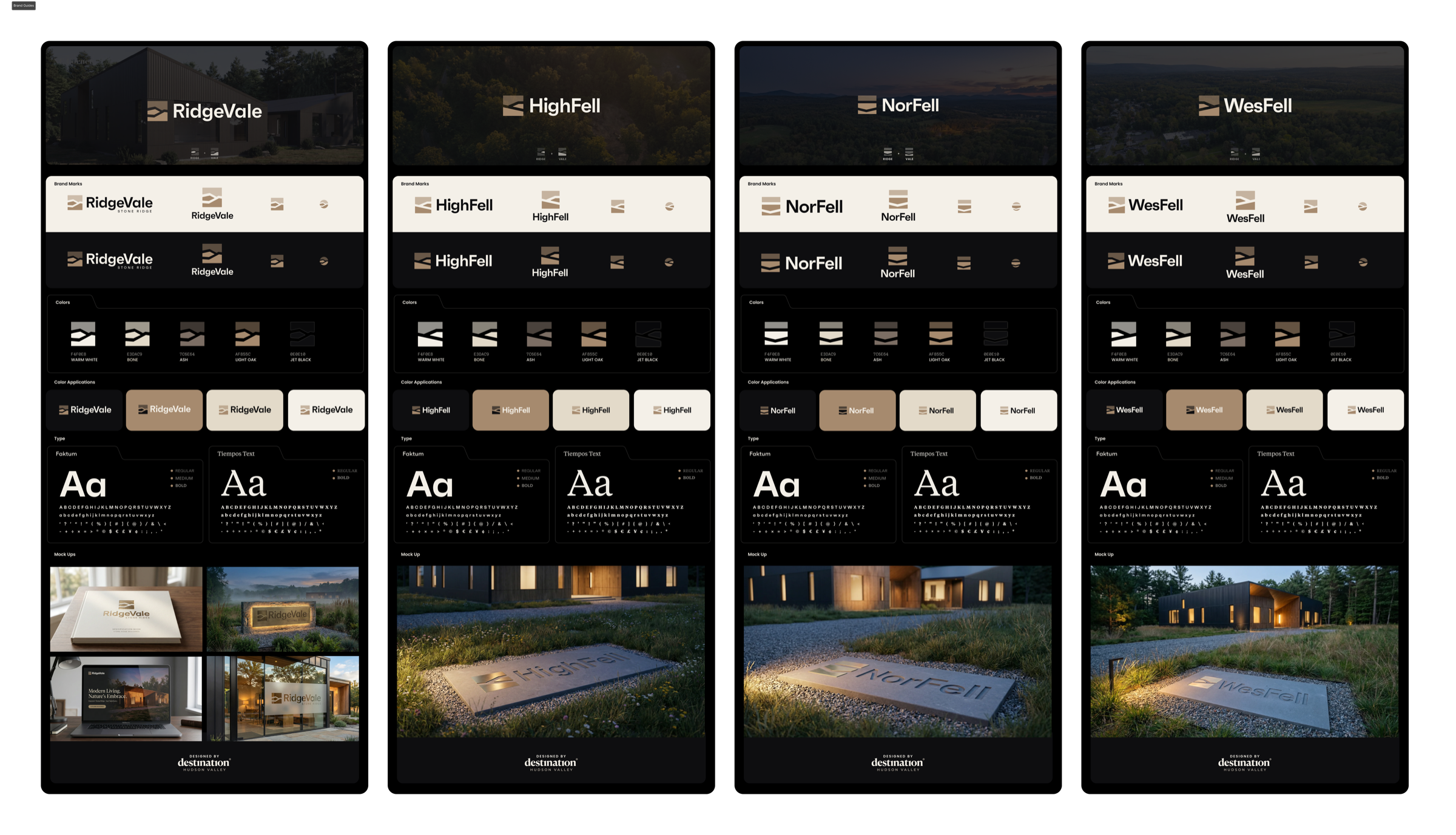
RidgeVale reads like a place first and a development second. Geography anchors the story; the architecture gets to be the delivery, not the premise. Beneath it, the architectural language — ValeHaus — gives the residences a material vocabulary that can travel across signage, site plans, and legal documents without flattening.
Each residence carries a name drawn from its position on the ridge, and a register drawn from what the land actually does at that spot:
Set on the highest clearing, with filtered views toward the Catskill horizon.

Tucked beneath the tree line, where the land feels quieter and more held.
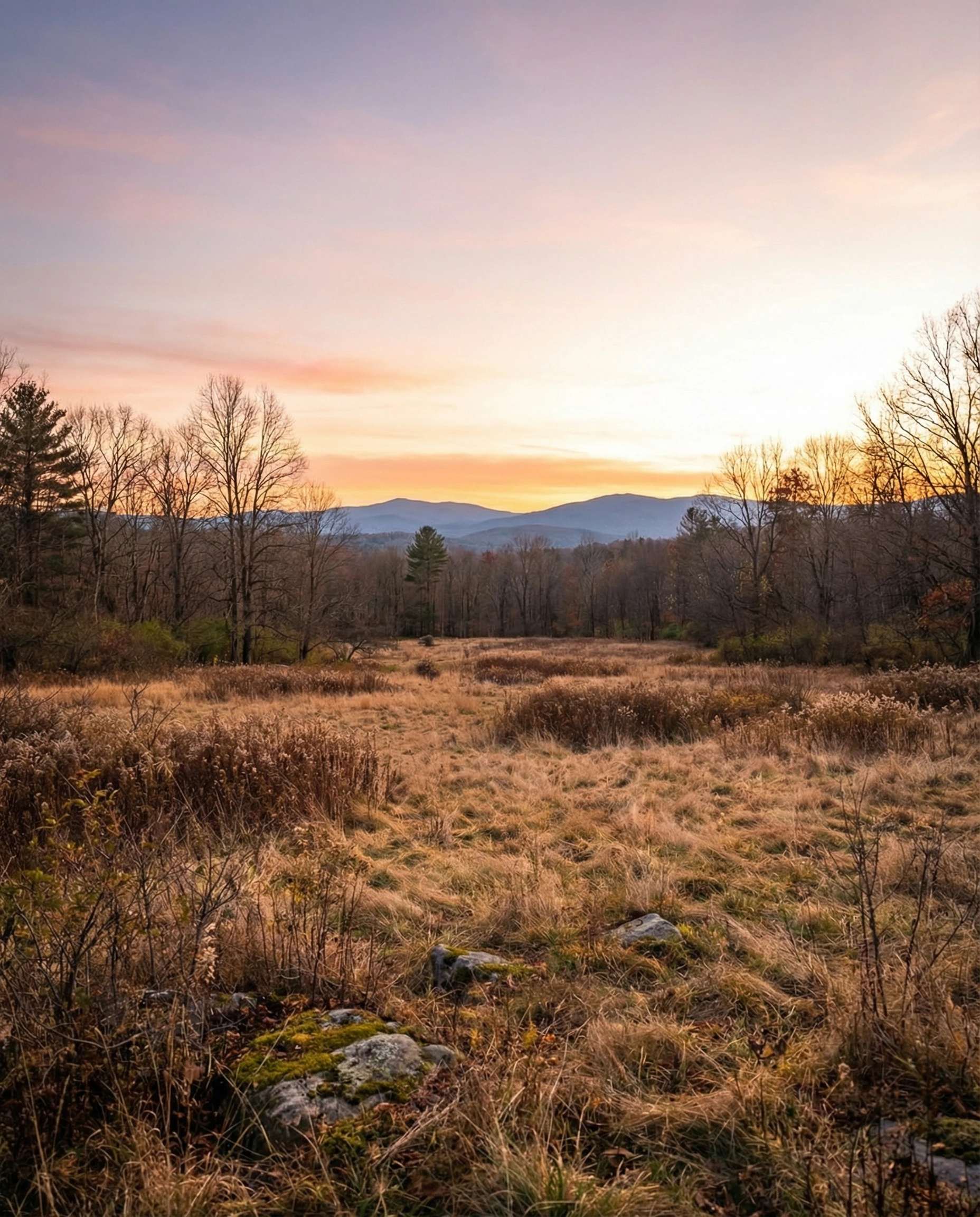

Set where the field opens west, and the evening light lingers longest.
None of these names are invented marketing. They are descriptive in the oldest sense — a language pulled from the land before the land was surveyed. That distinction matters: the names hold because they are true, not because they are clever.
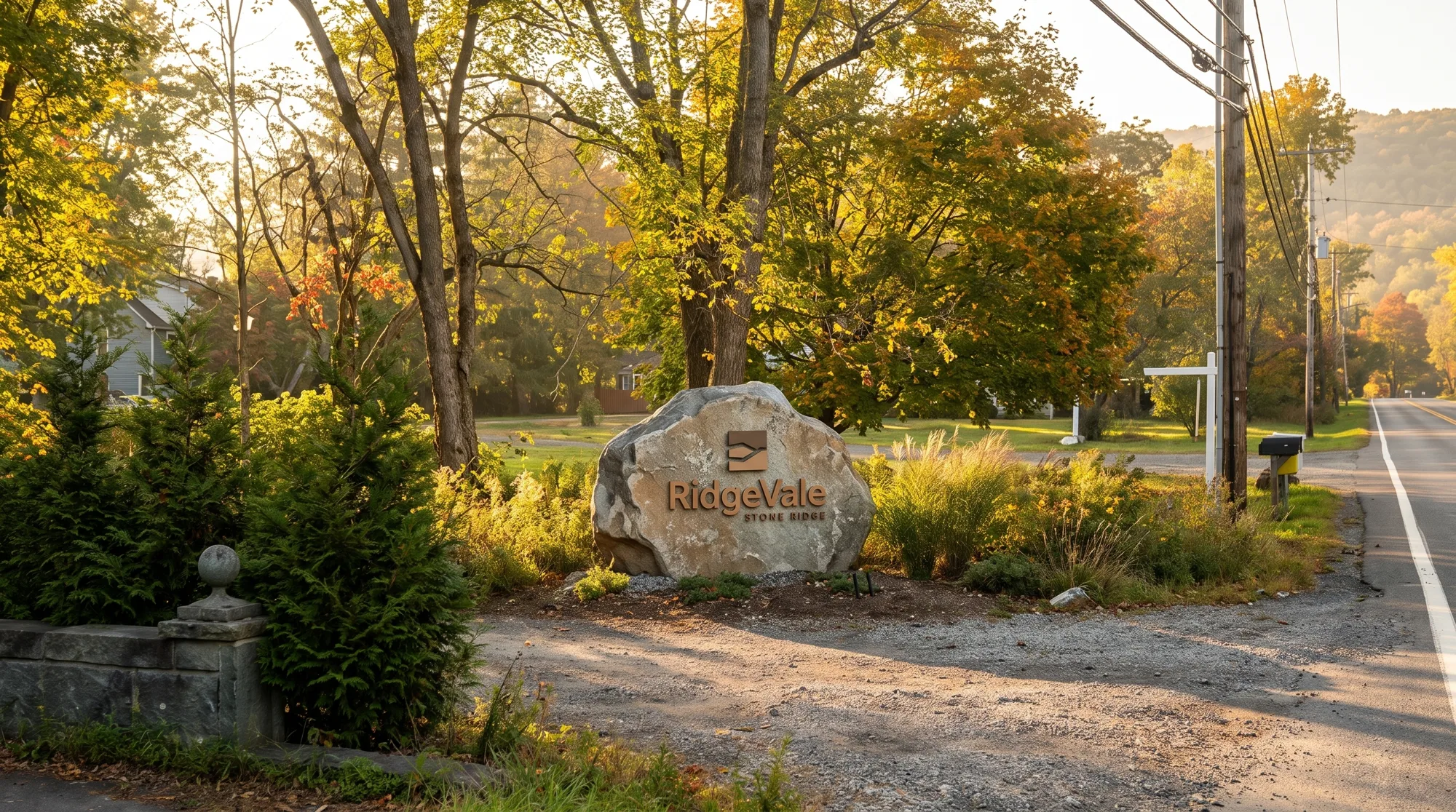
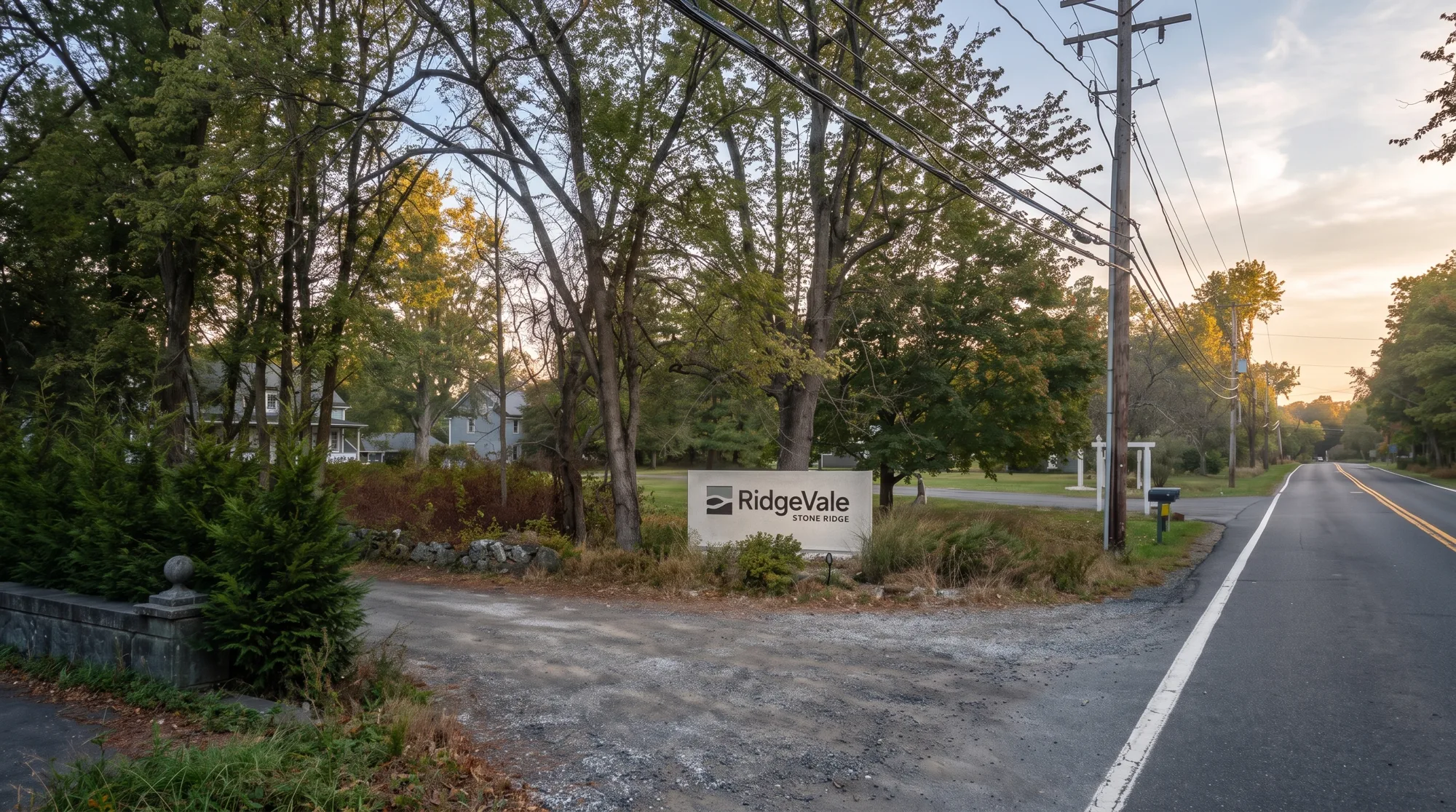
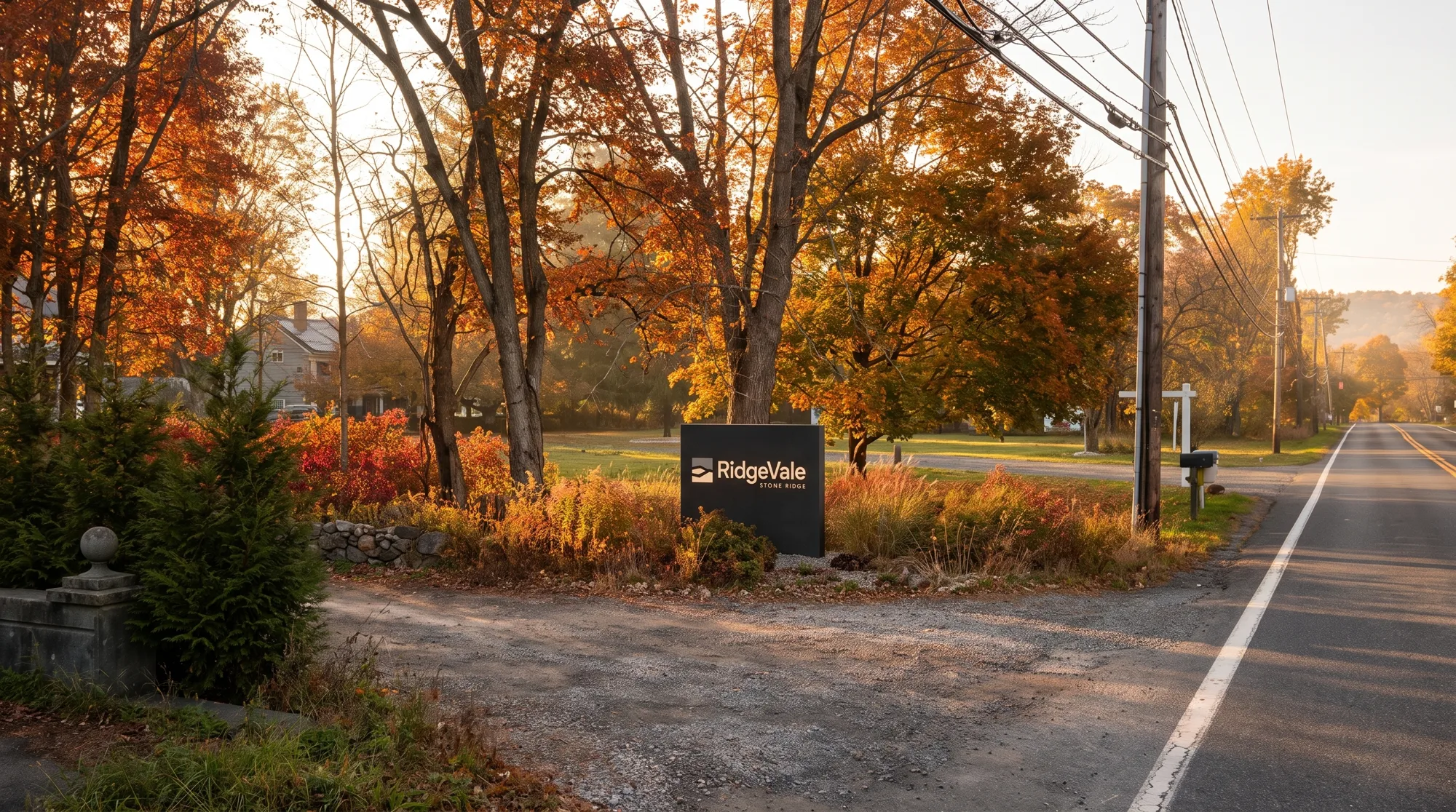
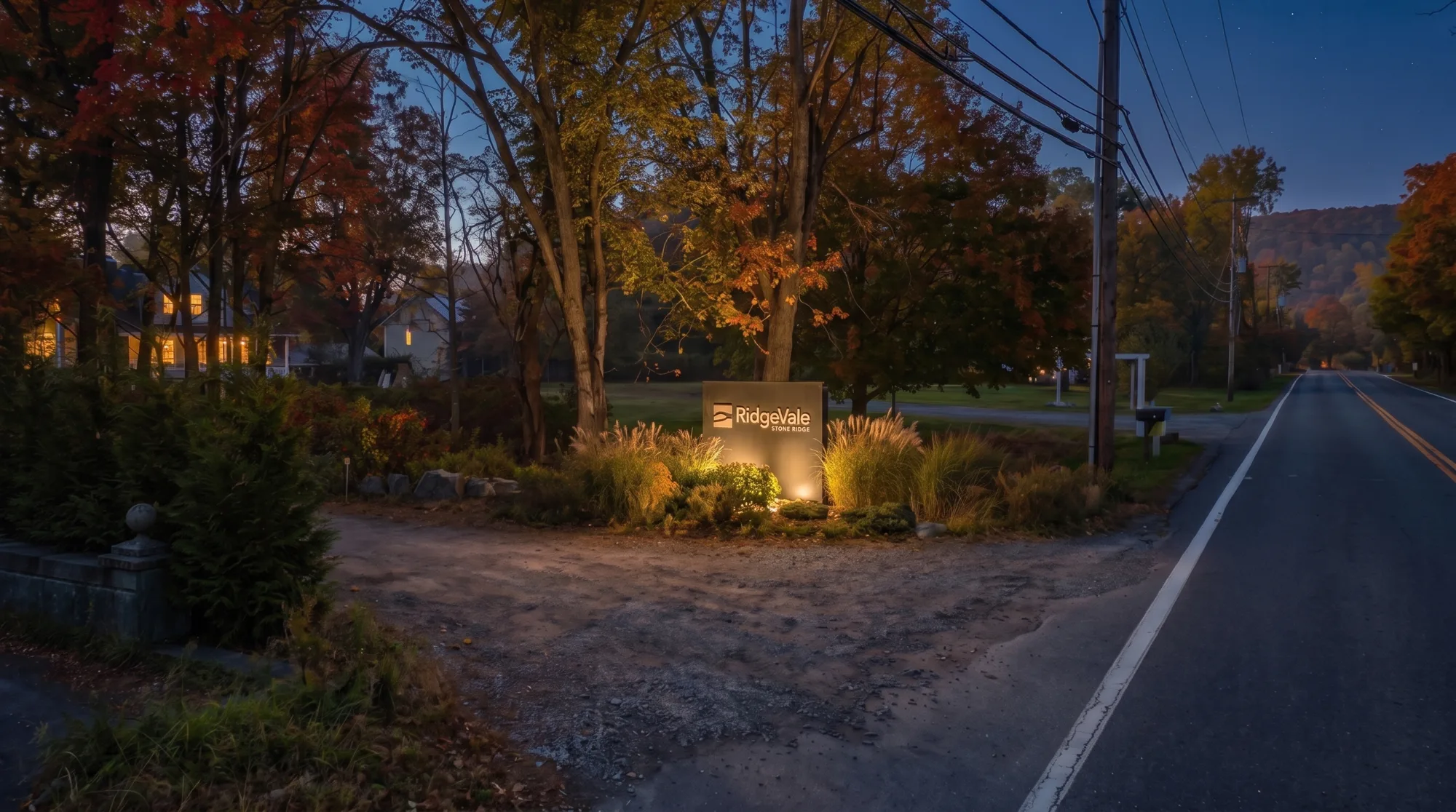
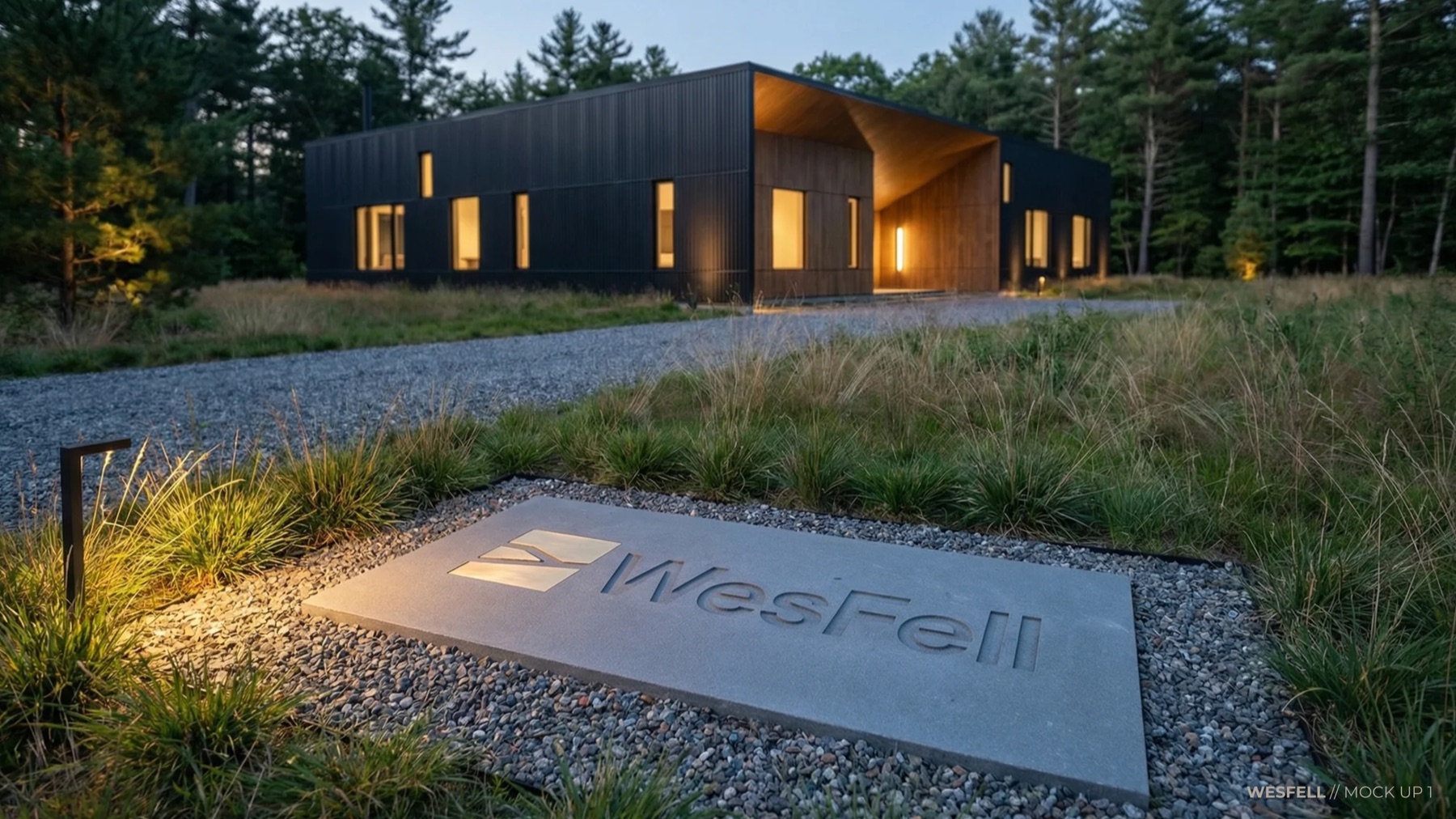
Entrance signage — three directions, composited on the actual approach. Concept stage.
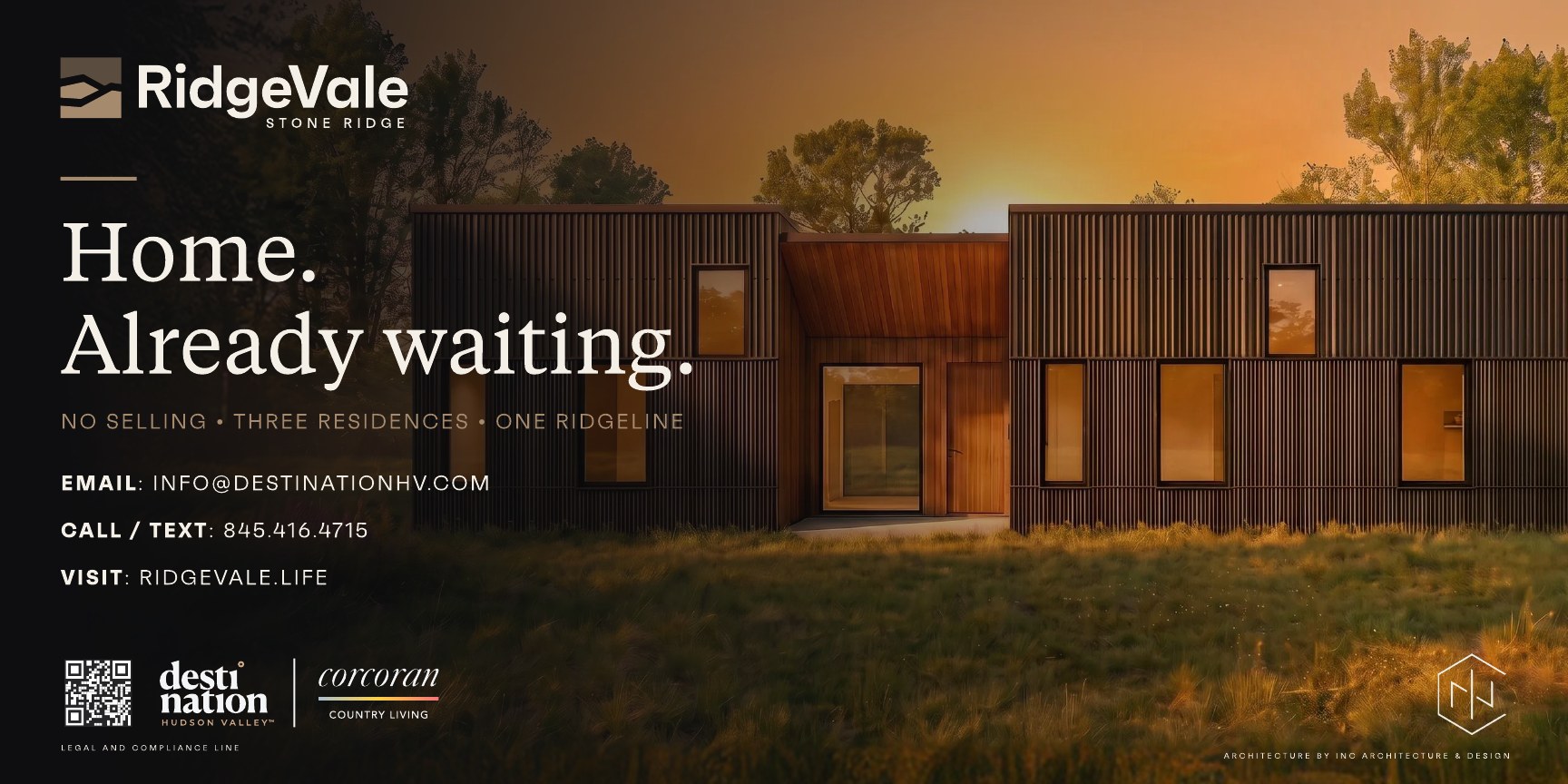
The marketing signage system — frontage and lot marker, approved direction, as designed.
Ridgevale.life is a single-page teaser. It does not have a CMS, a framework, or a page builder behind it — it is one file, hand-authored, and that is the point. Fast, portable, and fully controlled. The design is calibrated to one job: produce a mailing list of people who feel something when they see the project.
A golden-hour hero video. A scroll-triggered mailing list (not timer-based — we earn attention before we ask for it). A custom SVG regional map with editorial cartography instead of a Google Maps embed. An interactive distance calculator pre-populated with drive times from nine origin cities. Reveal animations behind a failsafe for fast scrollers. Responsive across three breakpoints. iOS video handling for Safari.
And behind it, a second site — password-protected, brokerage-attributed — for pre-listing use by the agent team. Two versions, one system, a clean separation between developer marketing and brokerage materials.
A mock-up of the teaser, as launched.
Most real estate marketing treats compliance as something that happens after the creative — a legal review, a few disclaimers, a copy edit. That order of operations is where launches quietly go wrong. We treated it as a design input.
We ran a proactive audit against New York Department of State real estate advertising regulations (19 NYCRR § 175.25) before a line of copy was published. We softened lot descriptions that could read as compass-specific claims. We removed references that could imply ownership of the broader parcel. We flagged Martin Act and Offering Plan considerations for counsel — not as a blocker, but so the team could move without surprises.
The more interesting problem was NAR Clear Cooperation. A public, unattributed developer site can carry no broker branding without an MLS entry. A brokerage-attributed site at the same URL can trigger the clock — and once the clock is running, so is the listing, ready or not. Our answer was the two-version architecture — a design decision, not a legal workaround.
The discipline carried through launch and past it. Every sentence about an unbuilt house holds the to-be-built tense — because every “is” about a house that doesn’t exist yet is a promise. Every render is labeled as an architectural rendering. Equal Housing language rides on everything buyer-facing, and the brokerage credit travels with the agent’s name wherever it appears. When a press outlet described the home as complete, the correction went out the same day — because a brand built on restraint cannot let enthusiasm do the overclaiming.
Compliance did not slow this project down. It sharpened it.

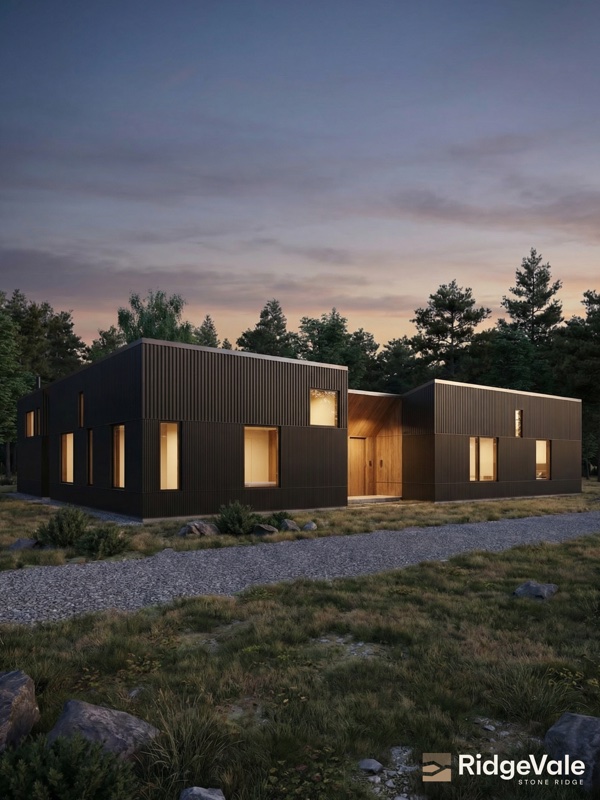
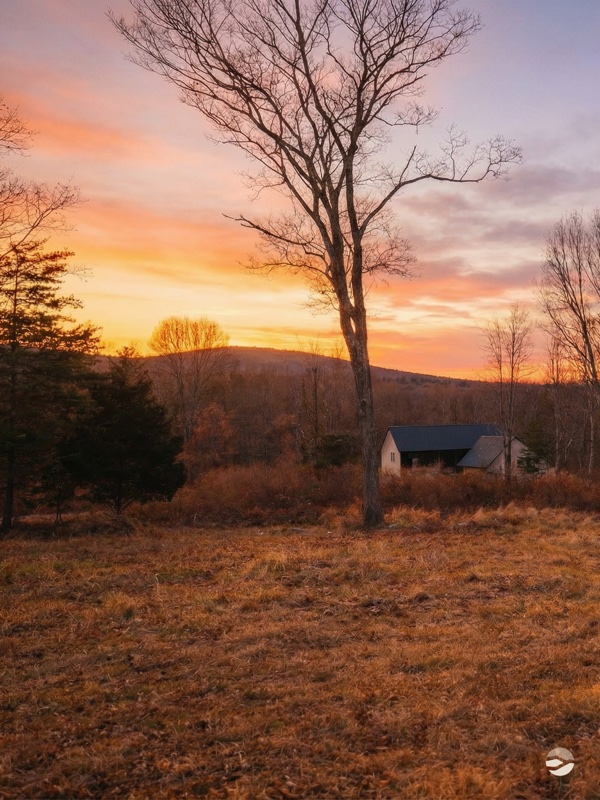
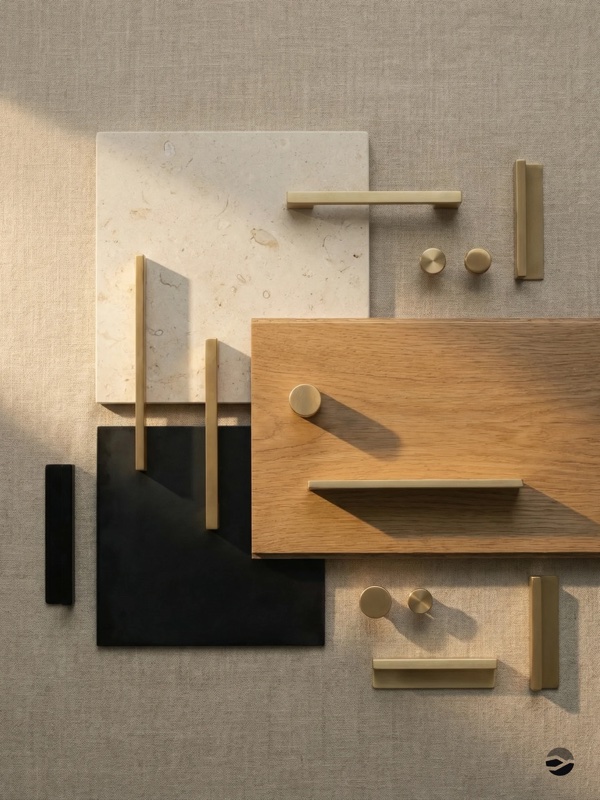
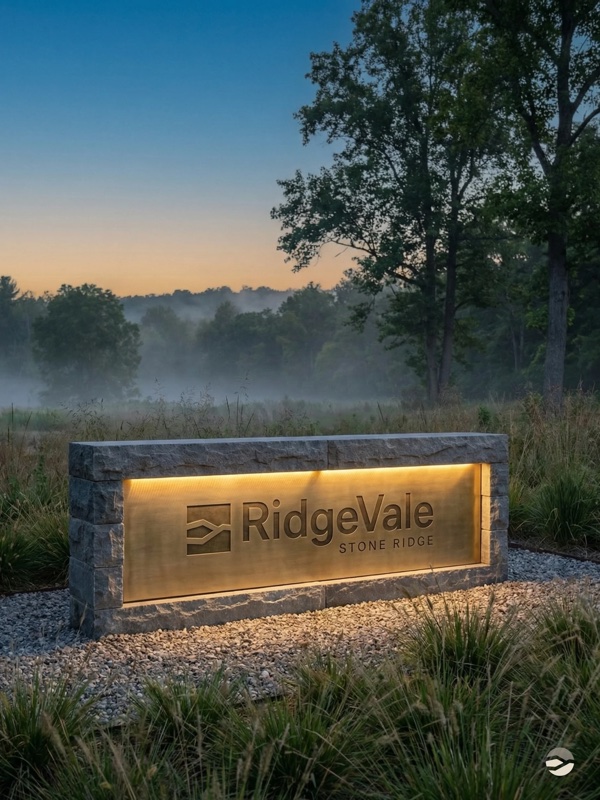
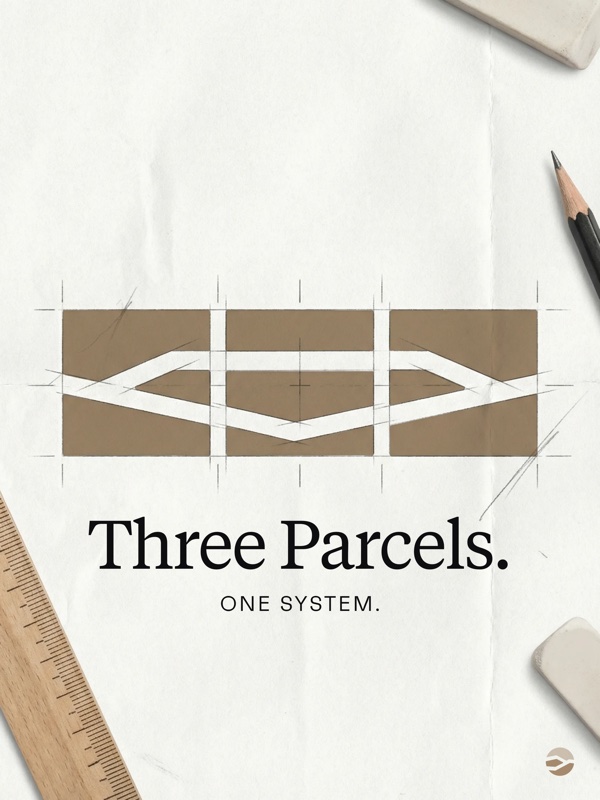
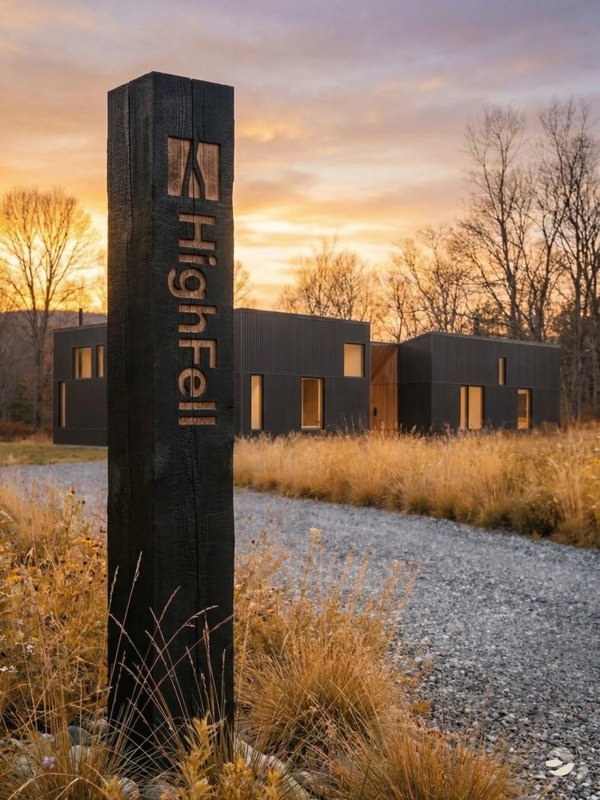
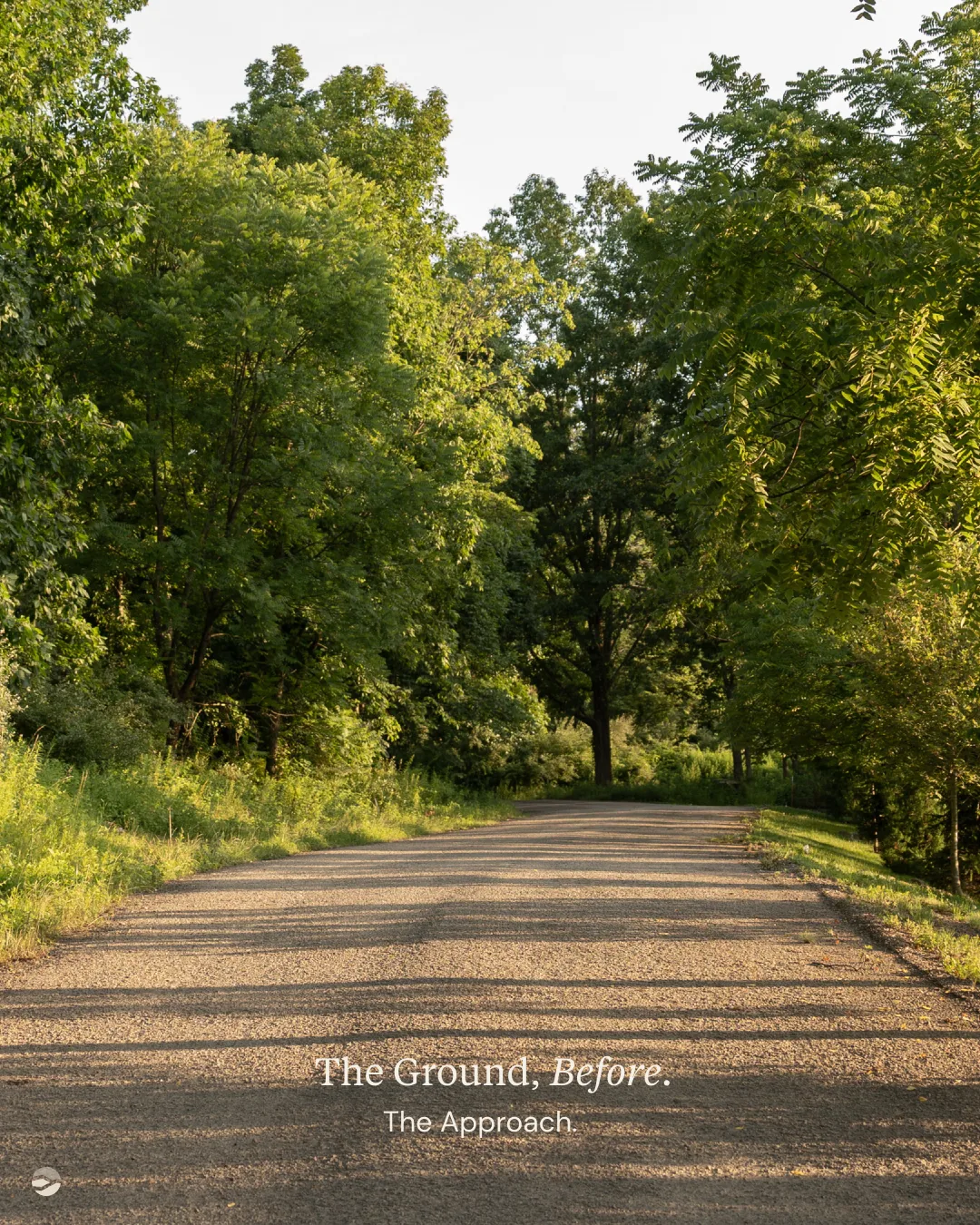
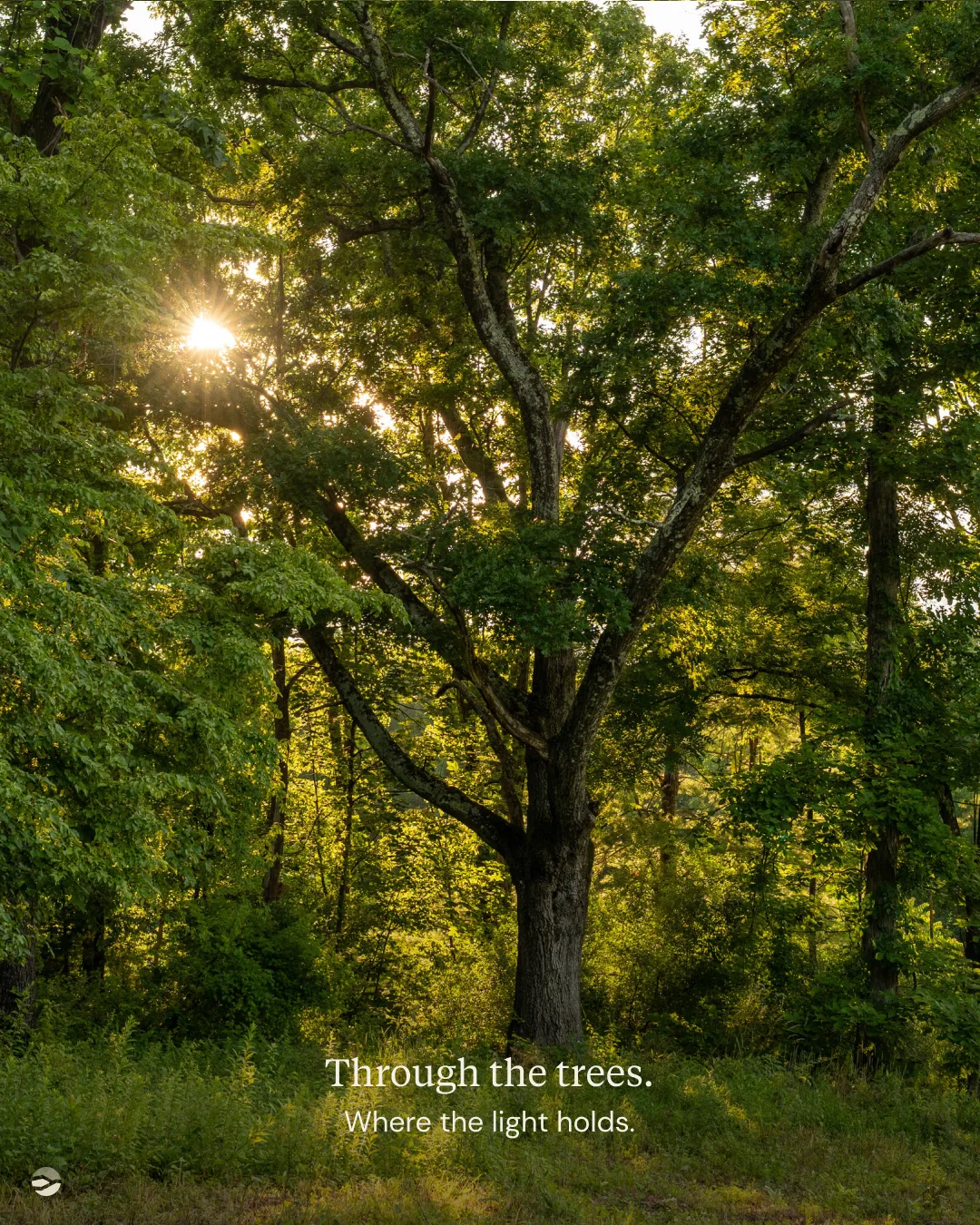
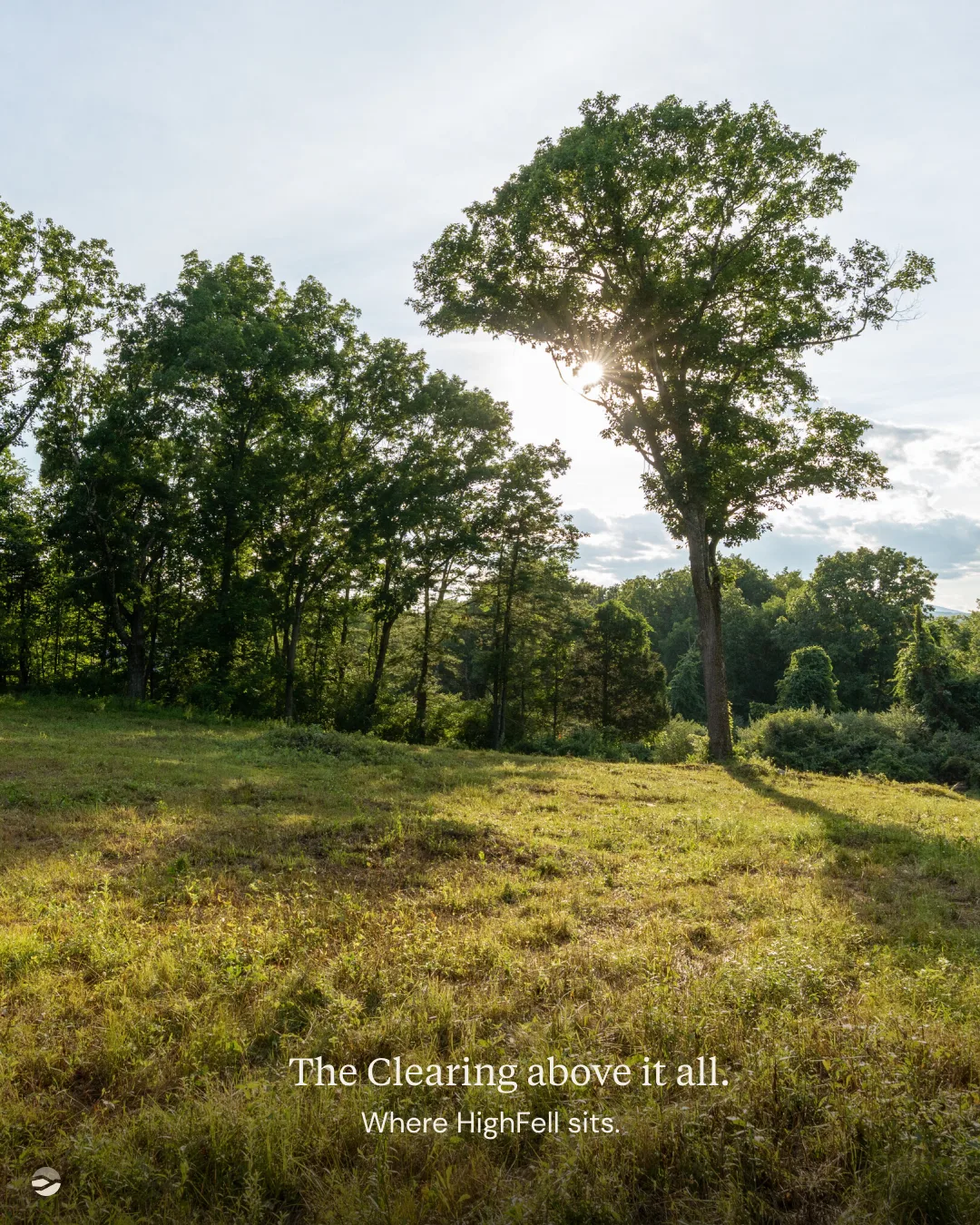
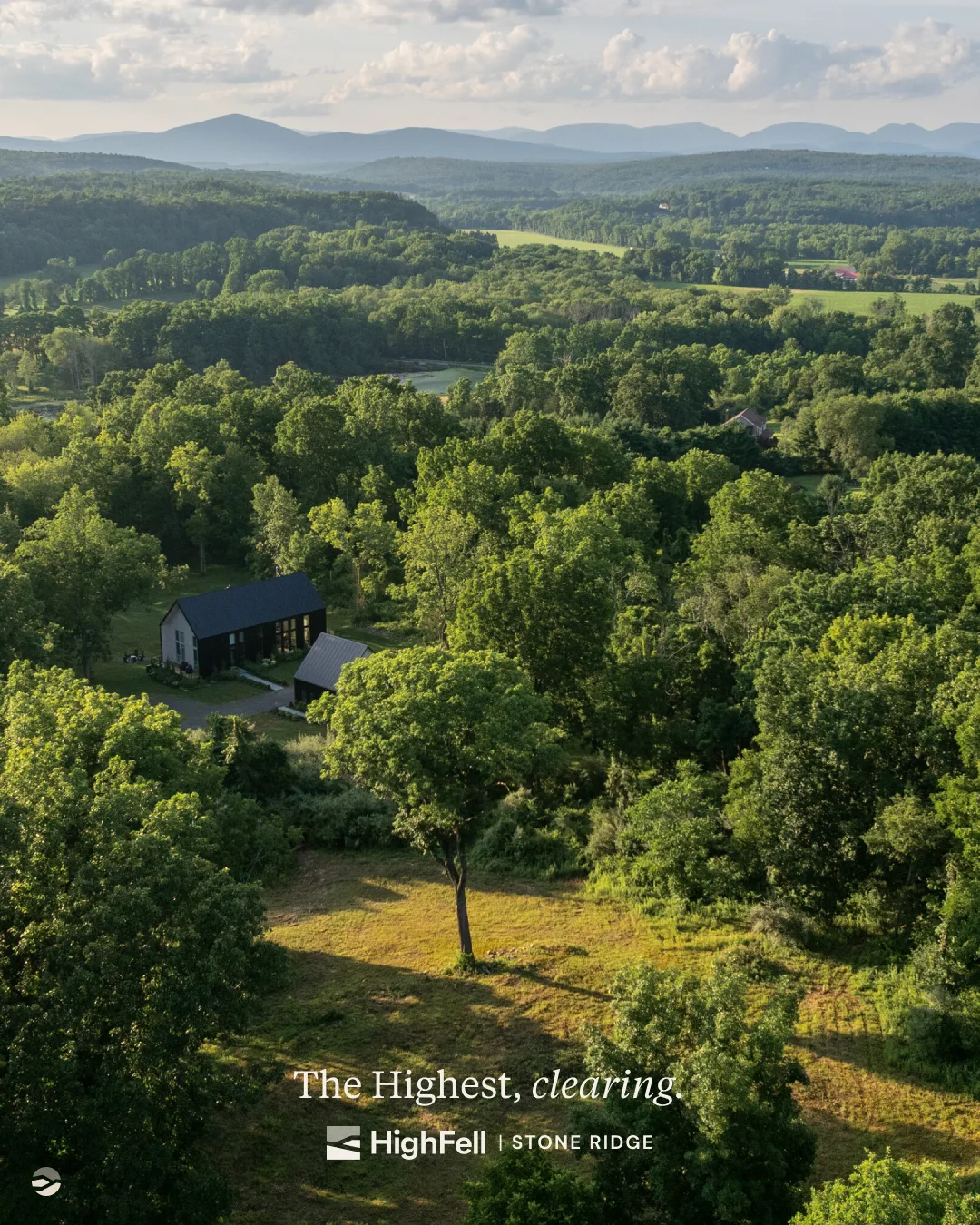
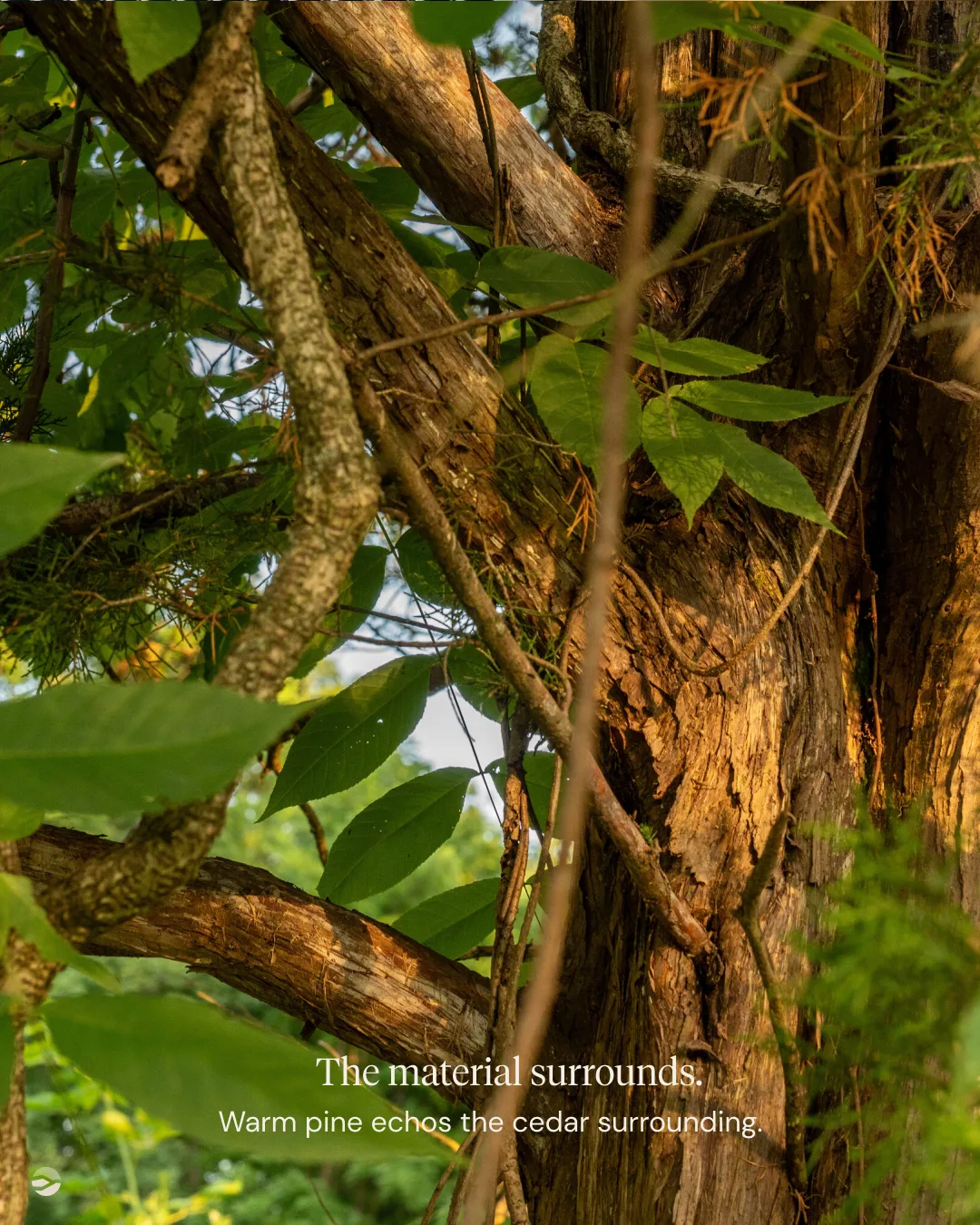
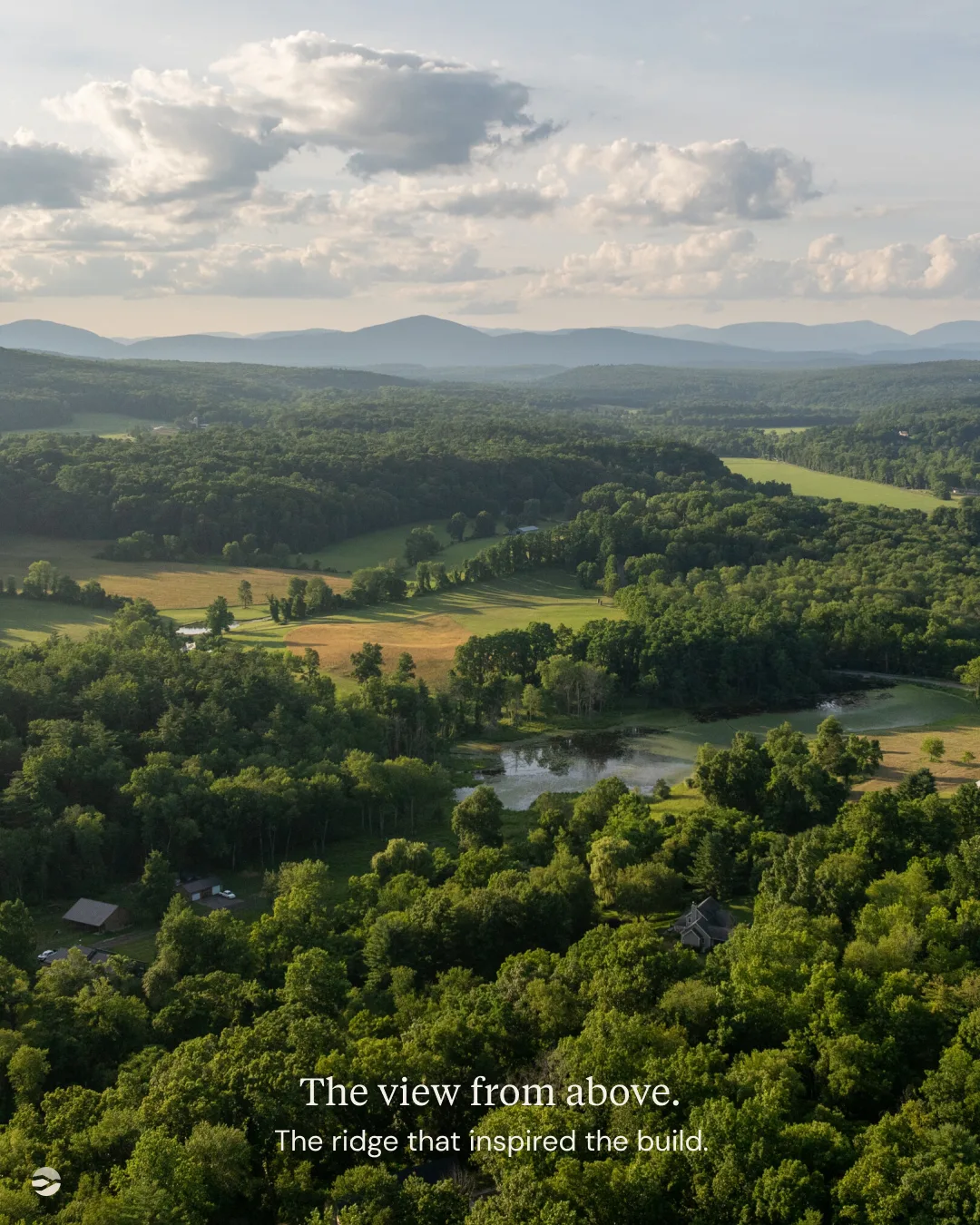
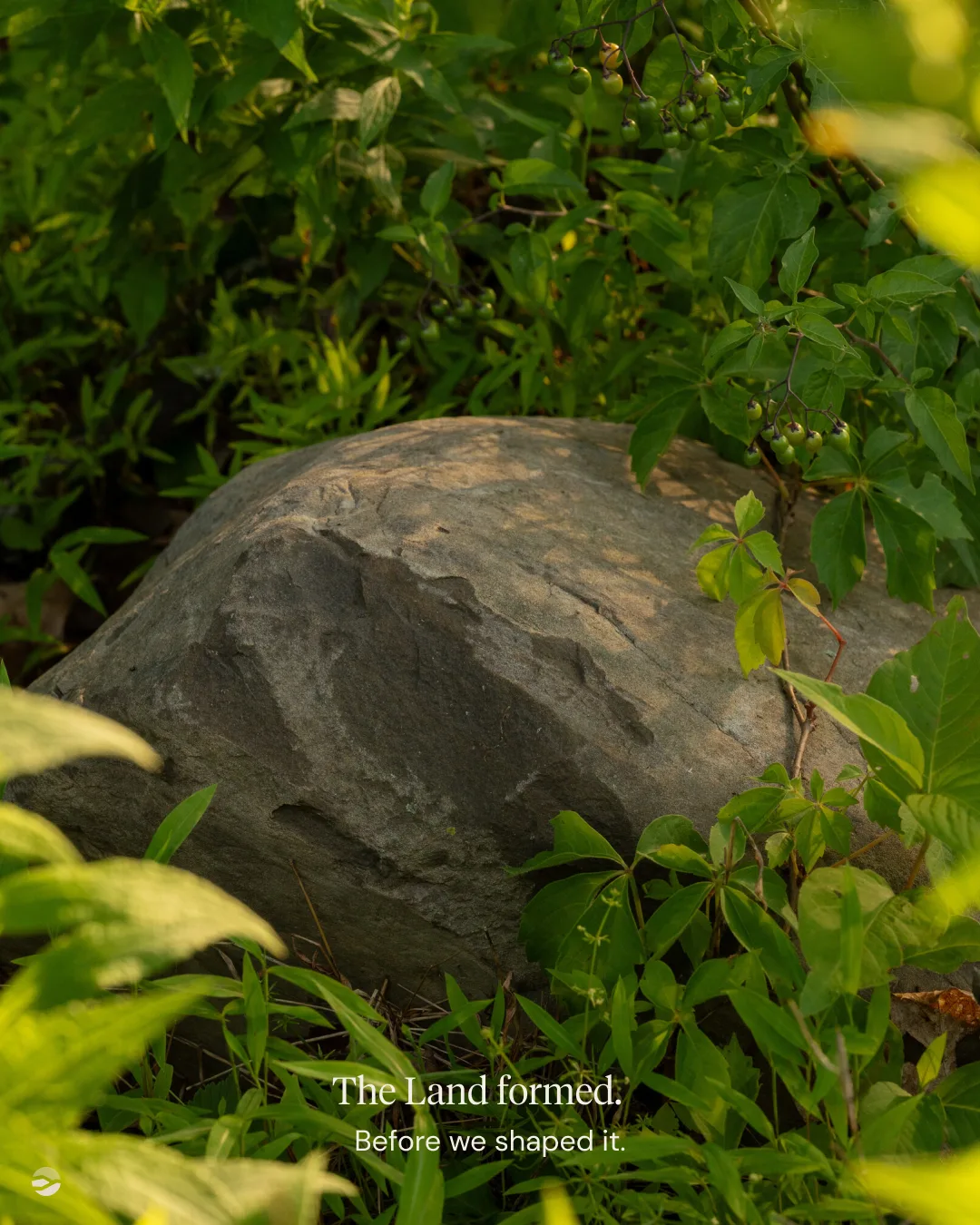
Drop 3 — “It Began With the Land” — the third designed drop, published August 19. Photography by Sundae Spaces.
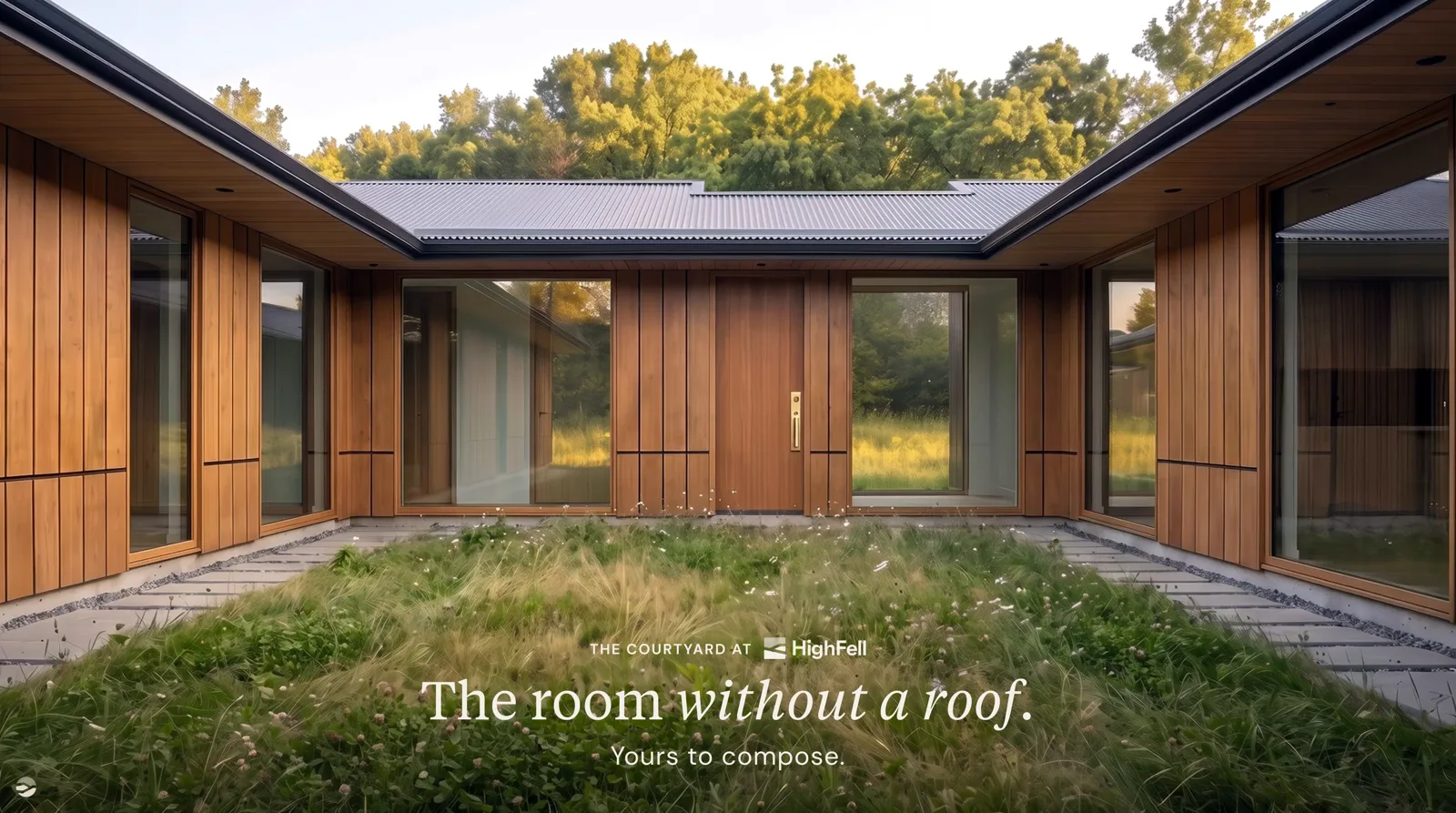
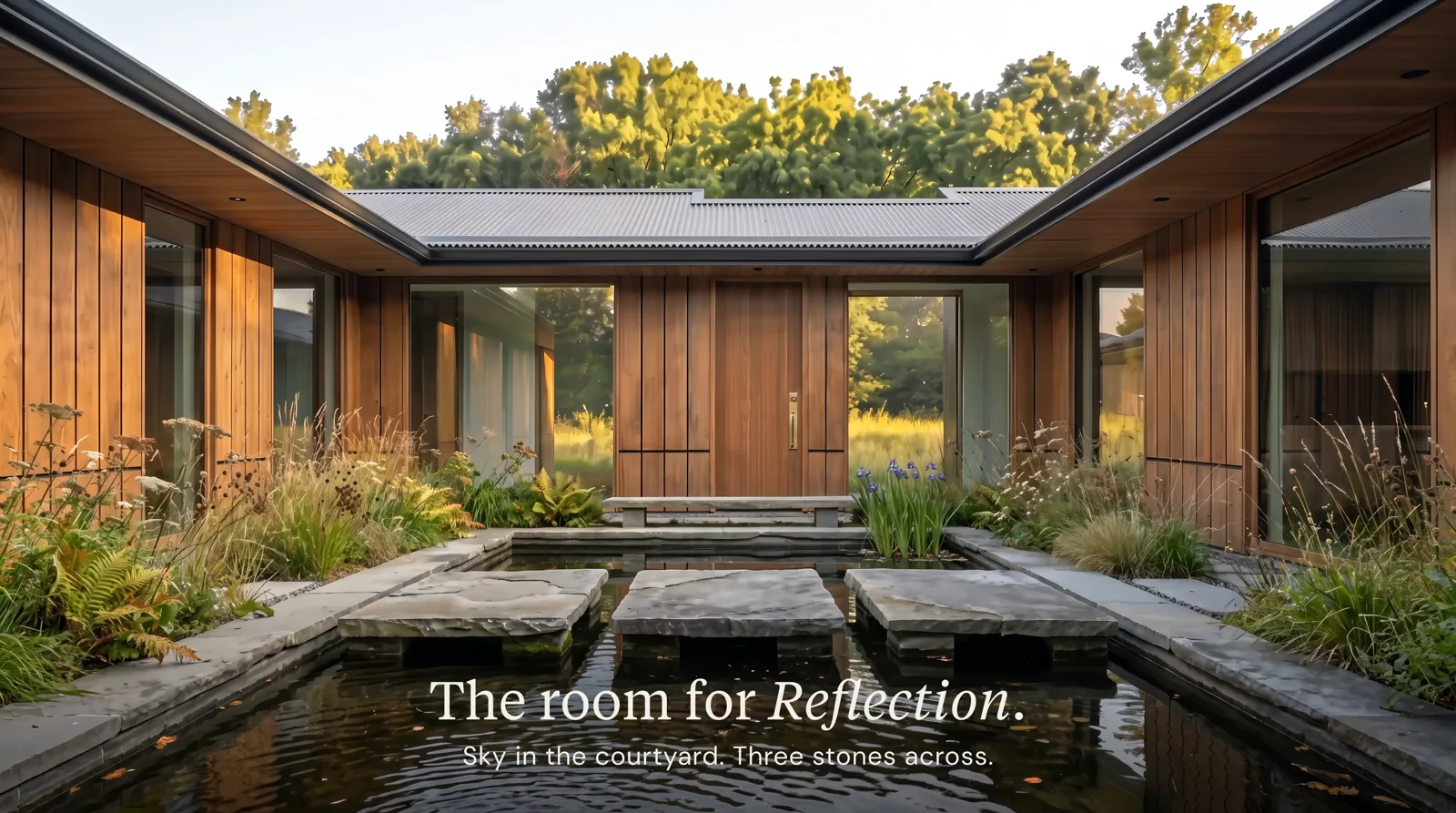
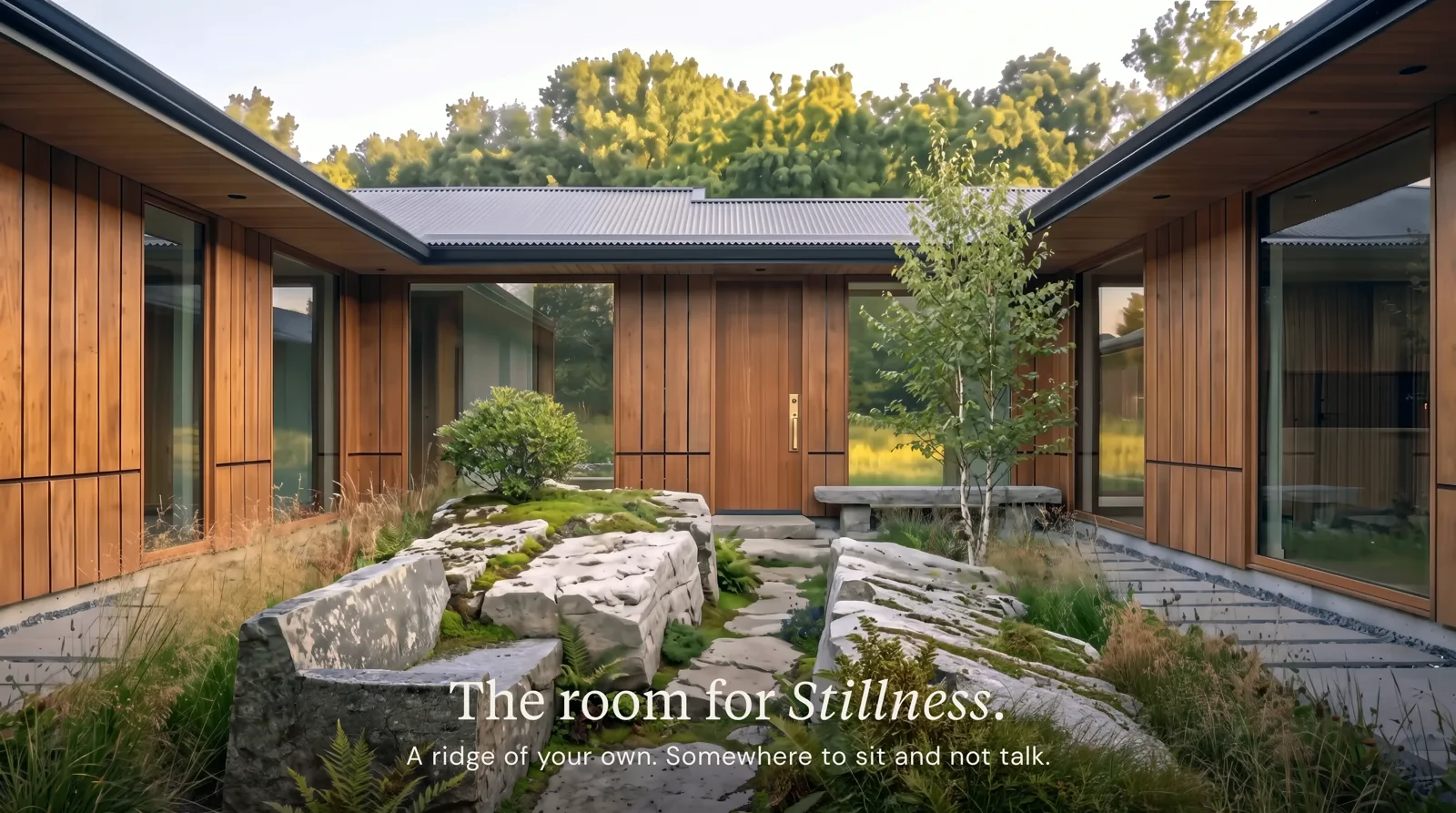
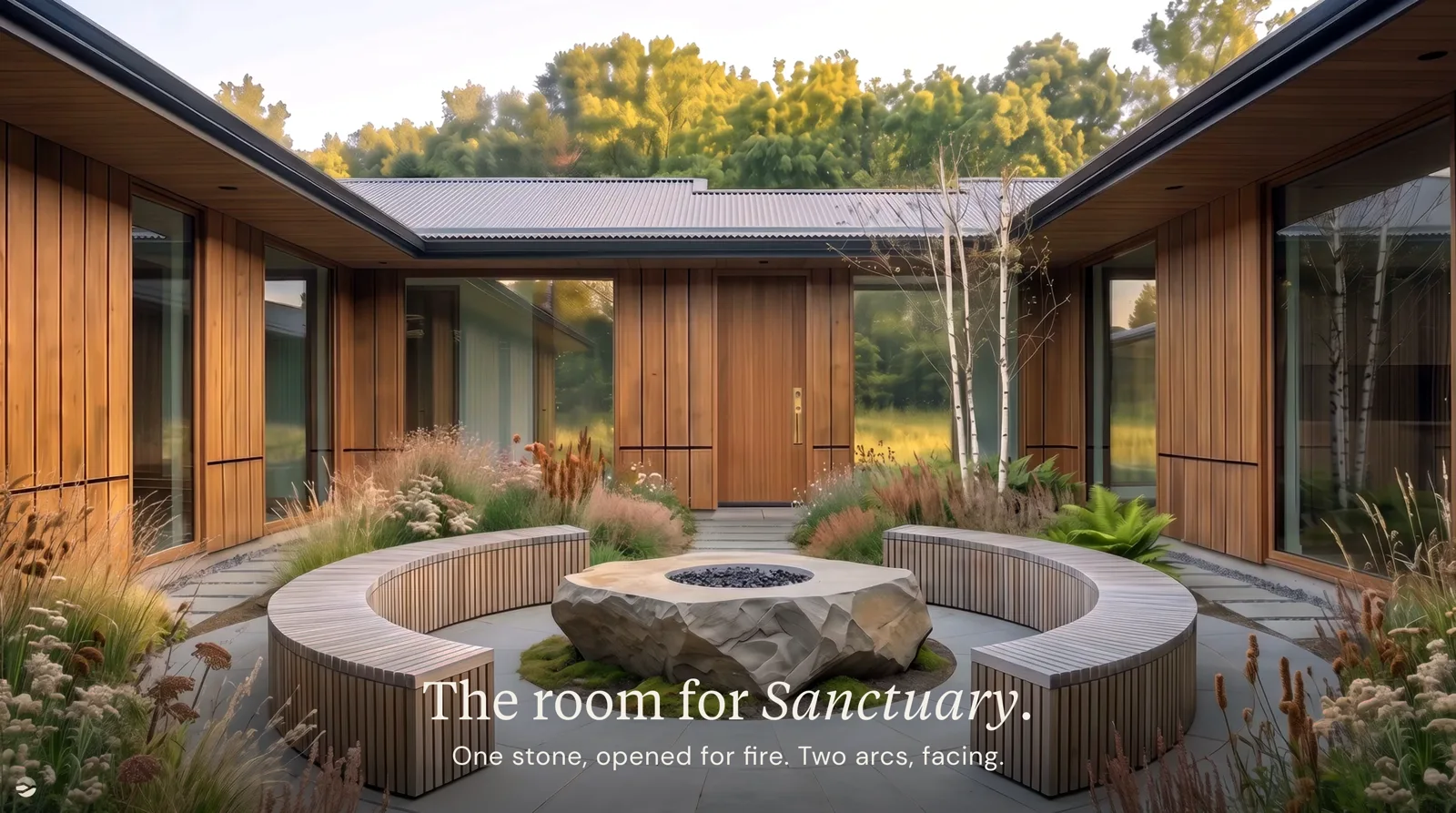
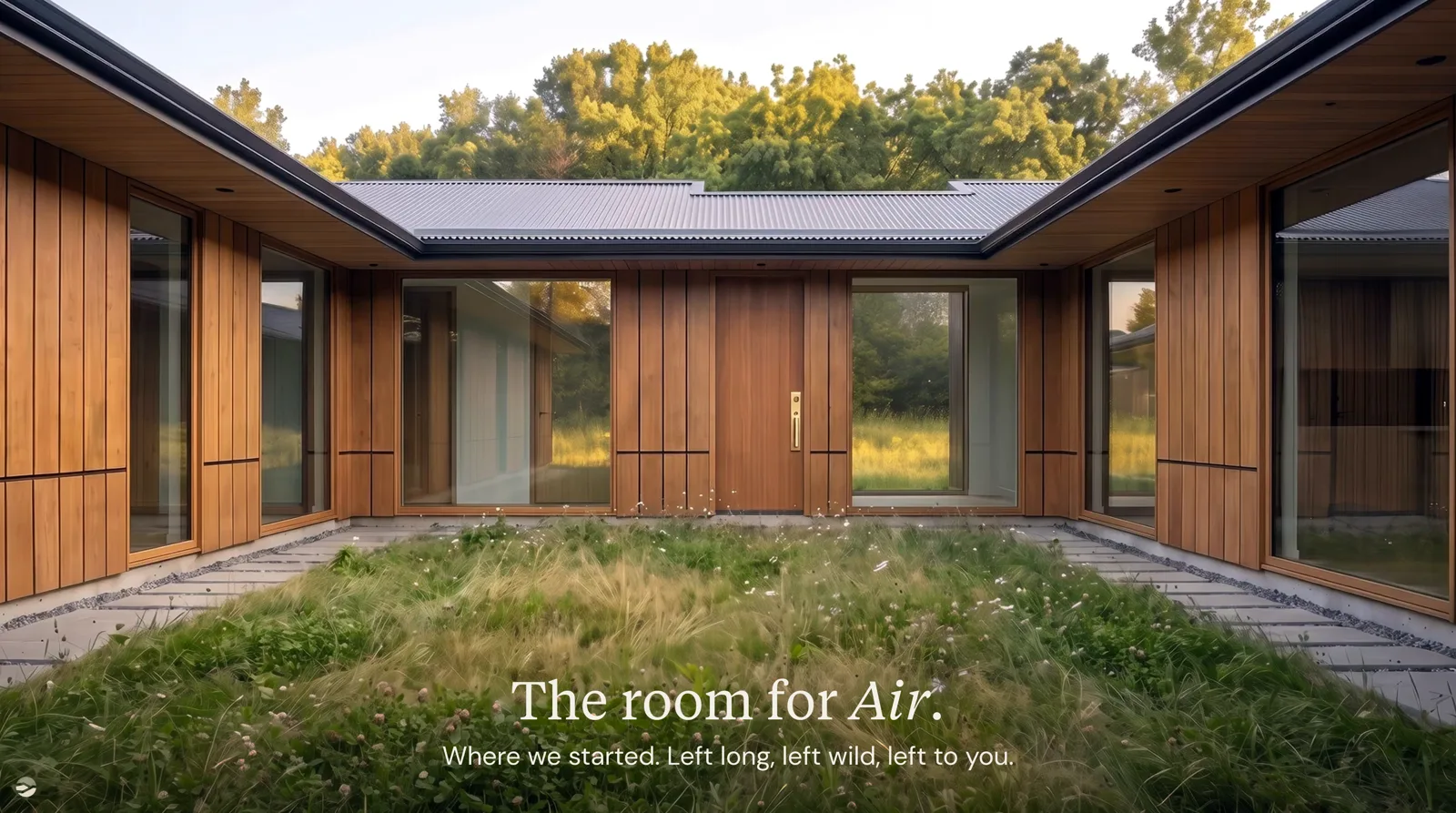
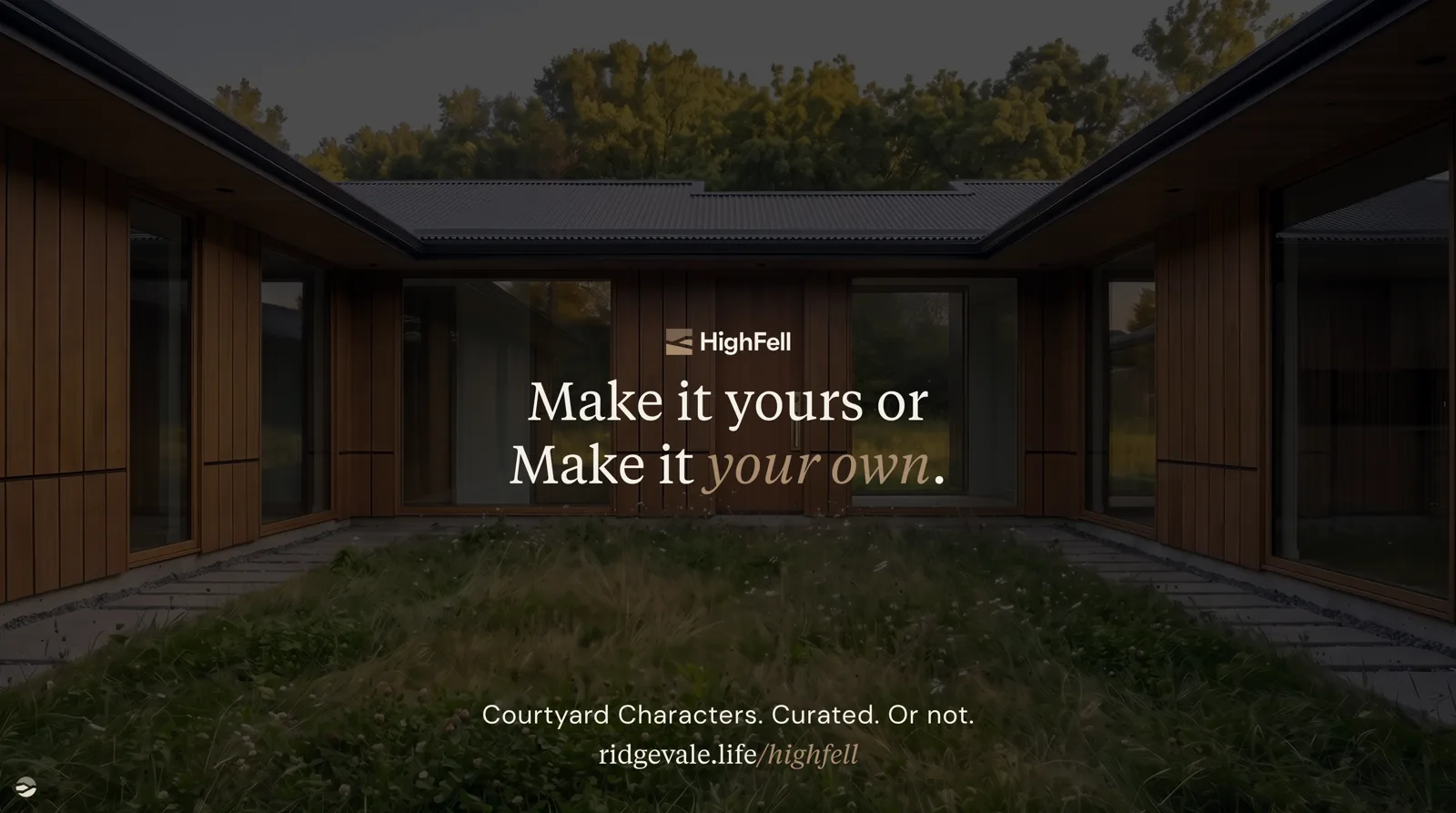
The courtyard carousel, August 17 — “The room without a roof. Yours to compose.” Imagery is architectural rendering.
A to-be-built home asks a buyer to purchase something they cannot stand inside. Renderings are supposed to close that gap — and most of them widen it, because most of them are mood: a generic house in generic light that a buyer’s instinct correctly refuses to trust.
We built a render program instead. Every image is anchored to the architects’ actual drawing set and checked against it — fenestration, cladding, rooflines, the flue. The finished house is then composed onto photography of the actual land: the real meadow, the real tree line, the real ridge behind it. Golden hour, dusk, dawn, aerial — a full photographic language for a house that doesn’t exist yet, produced entirely in-house.
The test we hold every image to: a buyer who later stands in the clearing should feel that the picture told the truth.
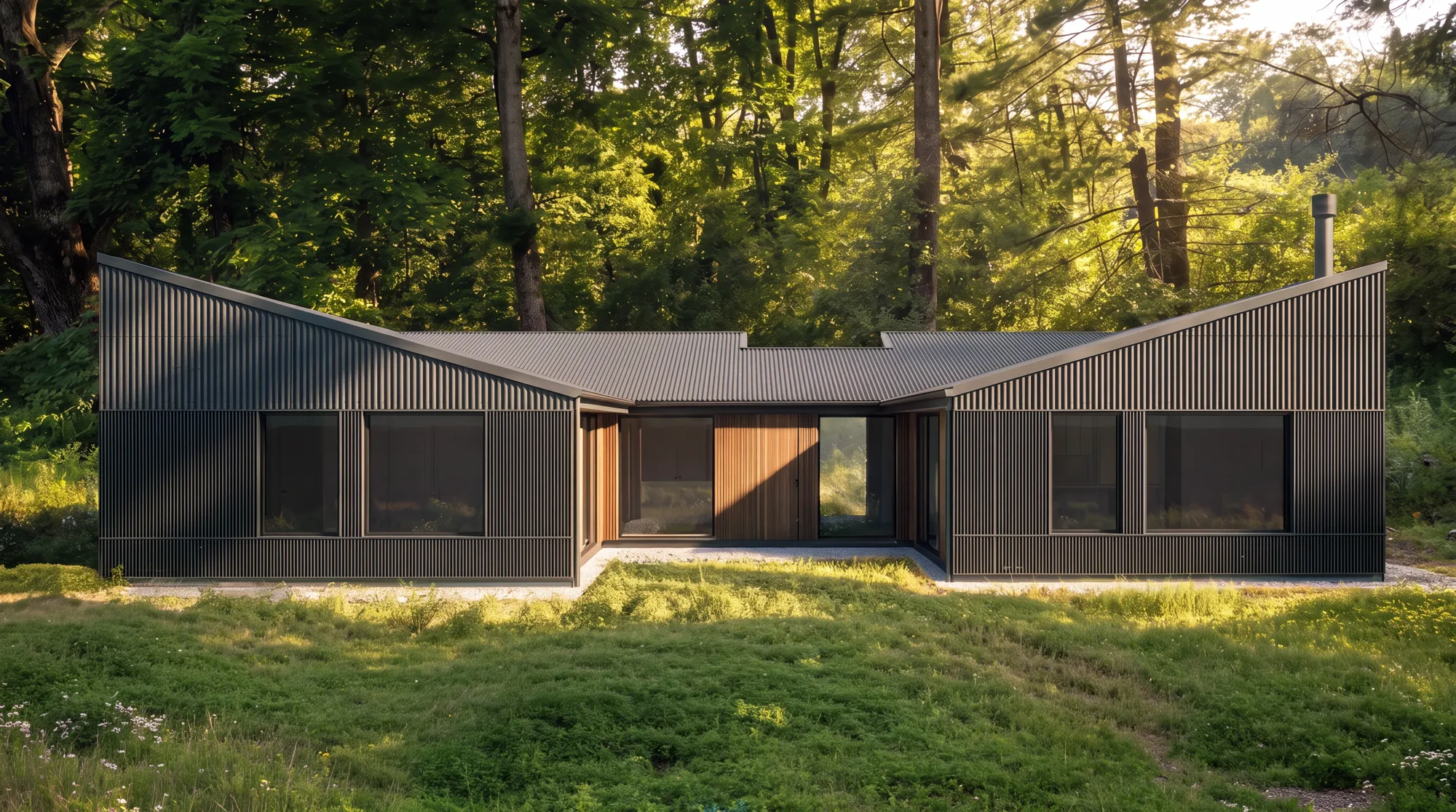
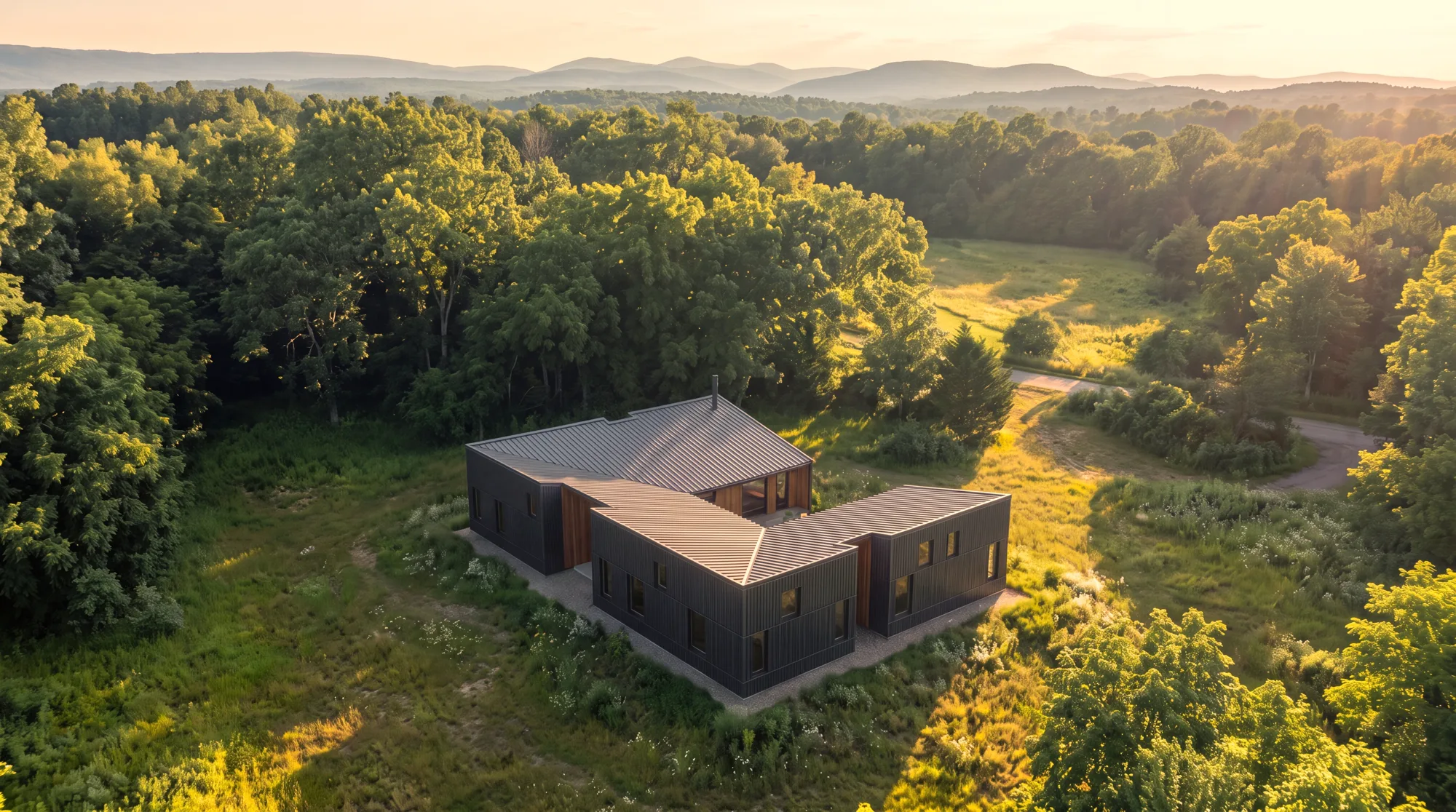
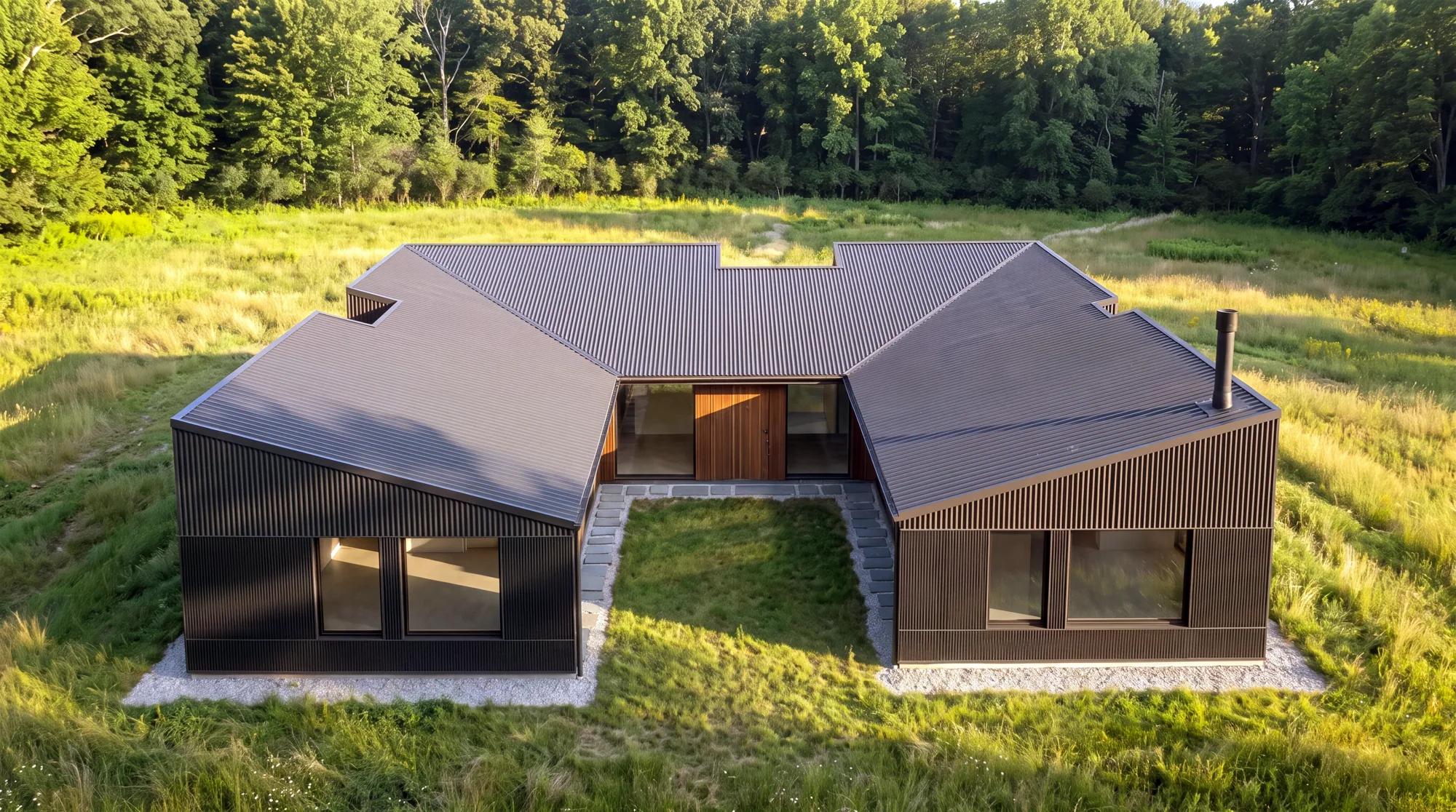
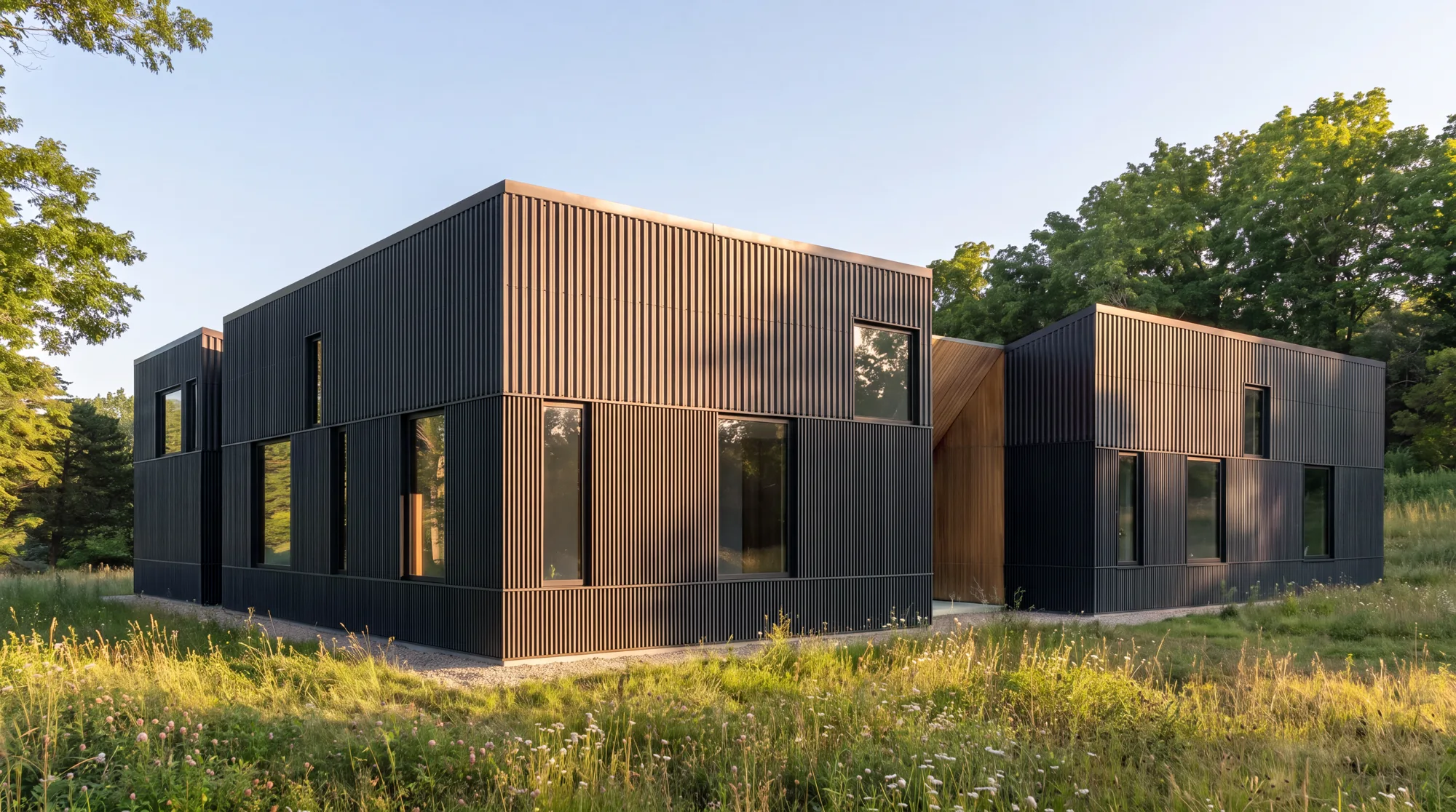
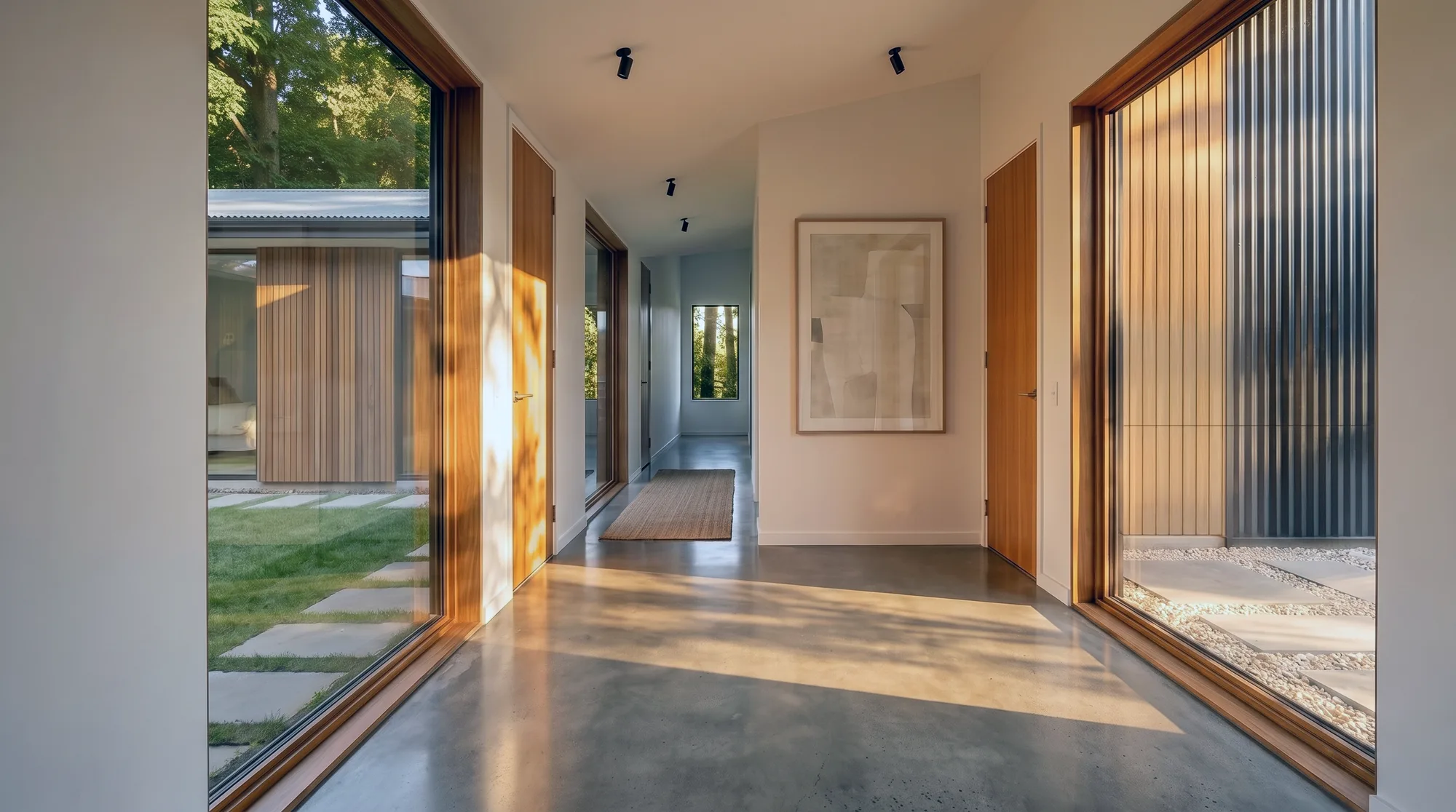
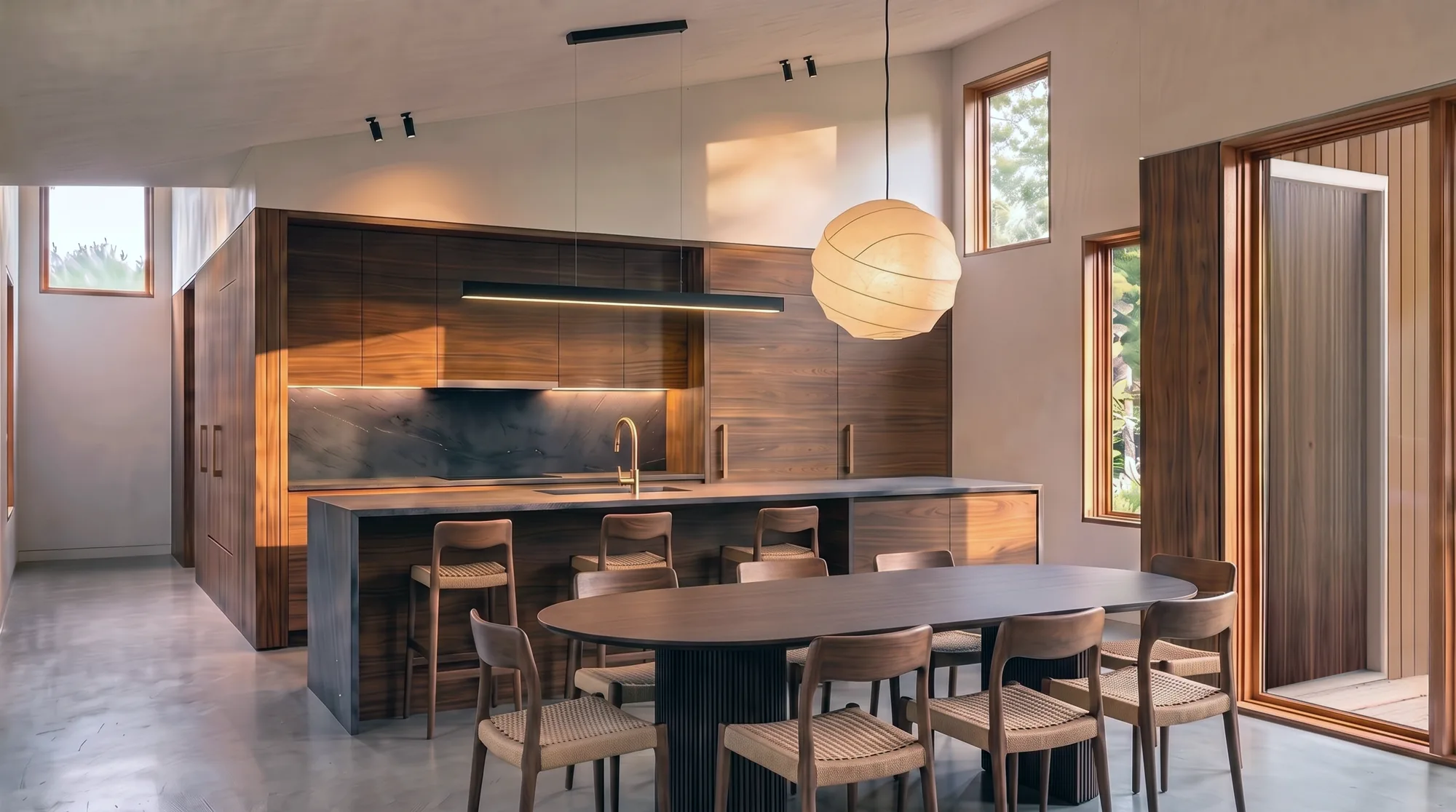
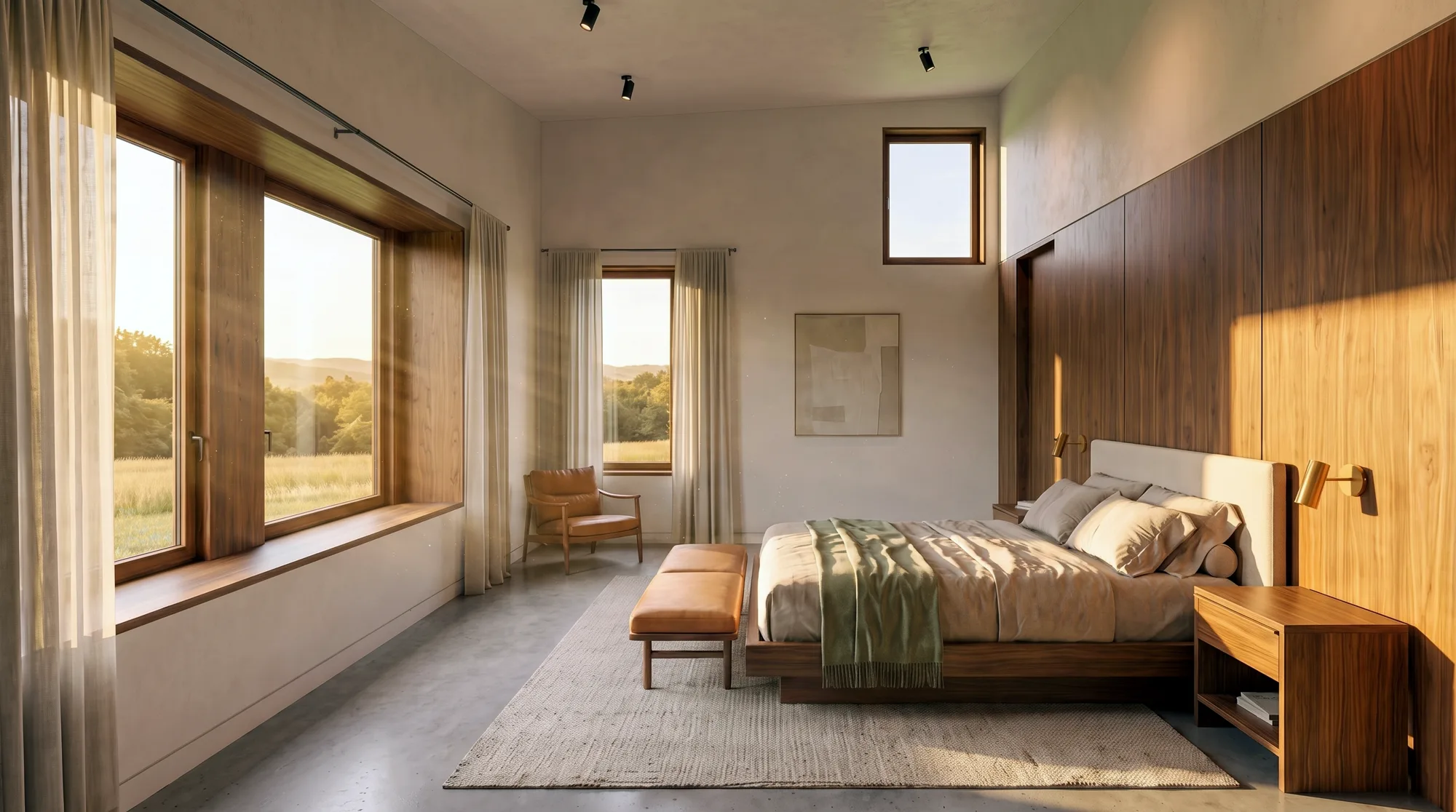
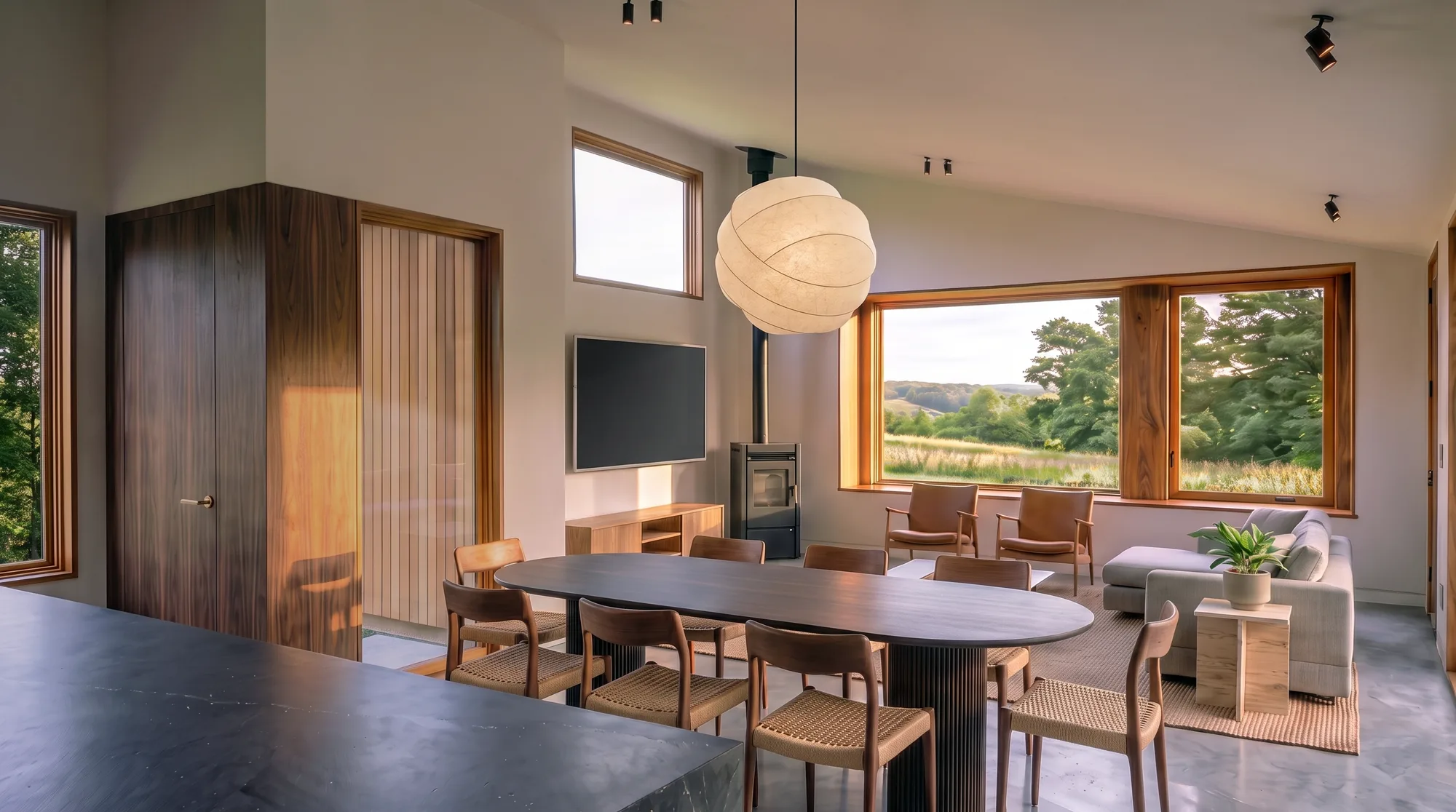
From the locked final set of August 17, accepted August 24 — sixteen frames across exteriors, interiors, and the courtyard program. All images are architectural renderings, for illustration; the wood tone shown is a placeholder.
The listing didn’t arrive. It was revealed — a twelve-day countdown of designed dusk imagery, each night a little closer to morning, so that launch day could break as a sunrise. The audience the teaser site had spent a year collecting was told first: an email at 5:37am, timed to first light on the ridge.
The same morning, the teaser became the listing — one site flipping to its second phase with every printed QR code and inbound link surviving the transition. Print landed the same week in the region’s best-read pages; earned editorial followed. The brokerage’s regional database carried the announcement the same morning; opens ran into the thousands, and launch-day click-through outperformed every send around it. The July launch ran with a brokerage on the lockup and the campaign behind it; the system underneath didn’t care which door it went through.
And the developer watched it happen live. We built Pulse — a real-time dashboard tracking visits, signups, sources, and press for the project’s principals. Not a monthly PDF. A scoreboard. When you ask a developer to trust a phased strategy, you owe them a window into whether it’s working.
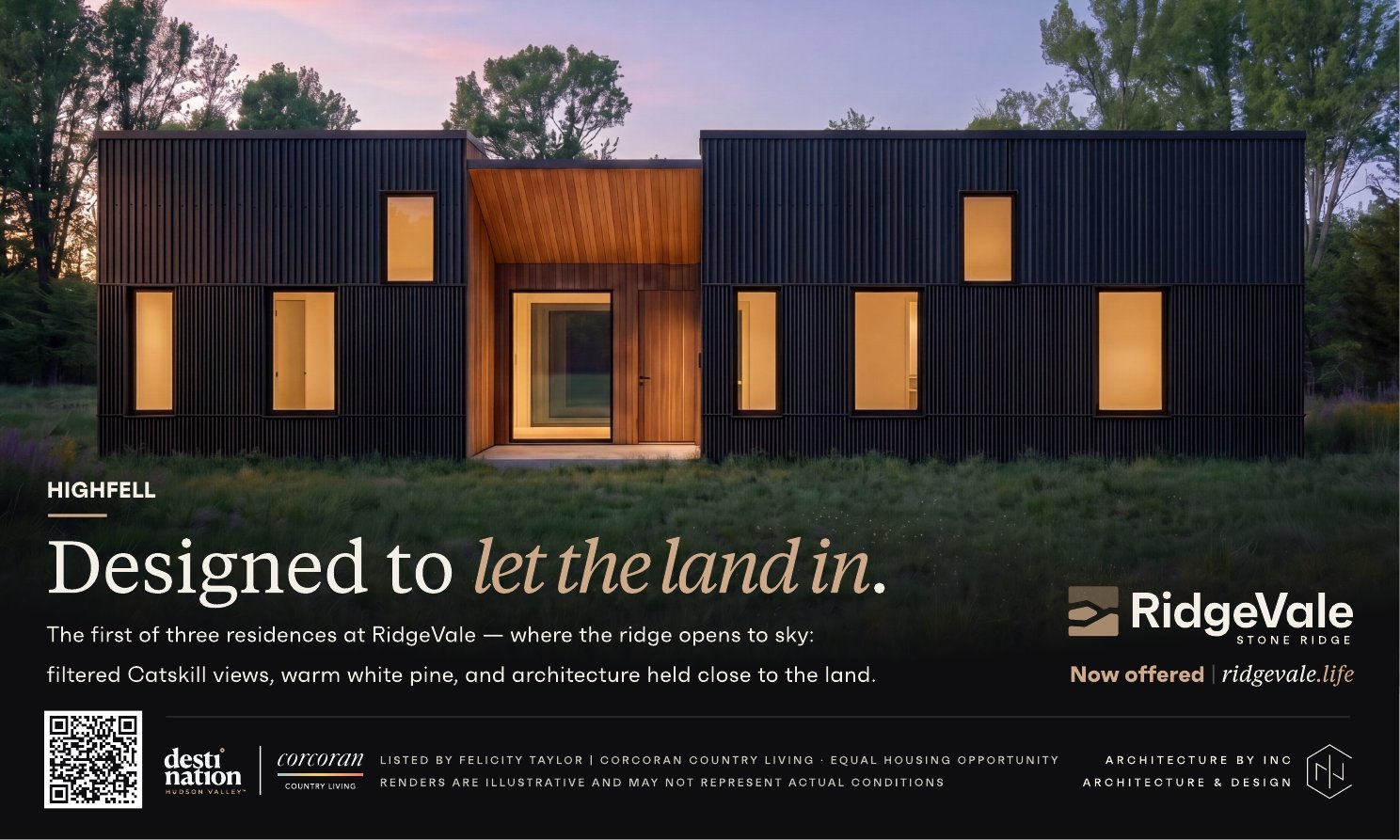
Print carried the same restraint: one image, one line, and a QR code to do the rest. Designed to let the land in.
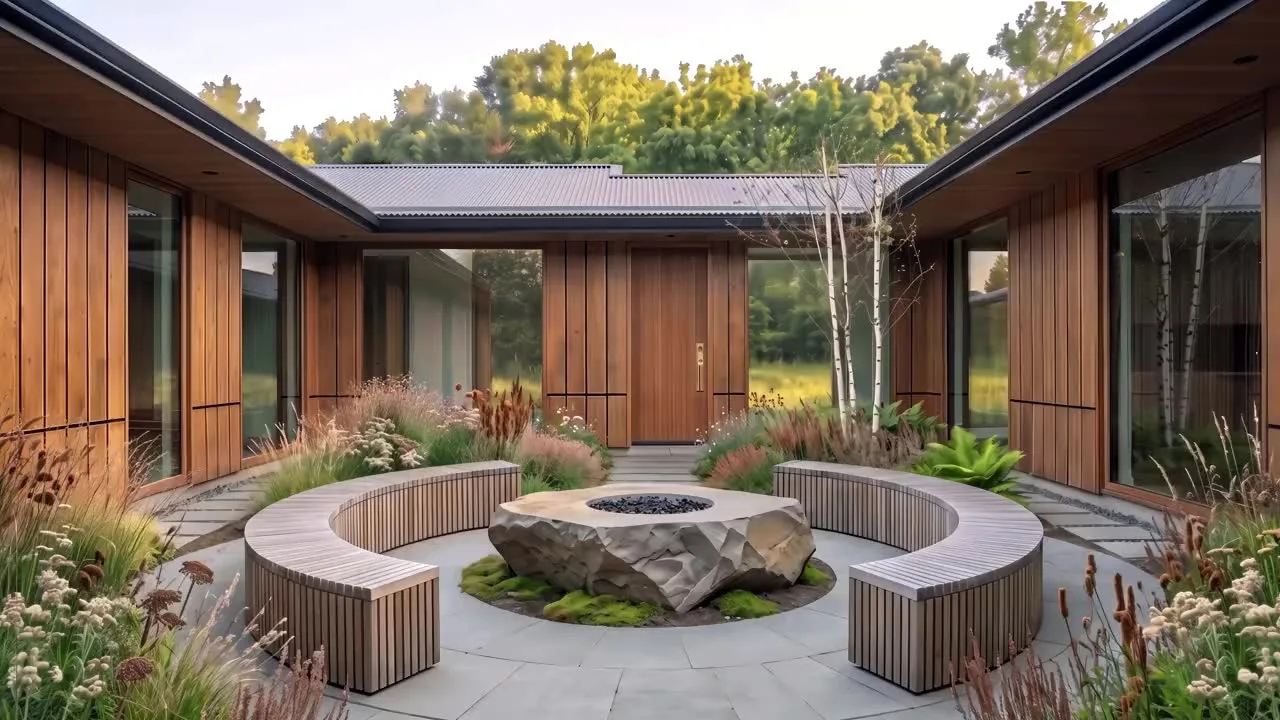
HighFell’s plan wraps around an open court — a room without a roof, and the only room in the house the owner gets to finish. Rather than sell it as a landscaping allowance, we gave it characters: four ways the court could be, each named for what it does to you when you stand in it.
Reflection is water and a walk across it. Stillness is a ridge of site stone, somewhere to sit and not talk. Sanctuary is one stone opened for fire, two arcs facing. Air is the court left long and wild — where we started. Each was rendered on the same base plate, in daylight and at blue hour, so a buyer could watch the same walls hold a different life.
Above the court sit the house-level packages: Gather, the pool and outdoor kitchen. Ritual, the sauna and cold plunge. Anchor, the power and resilience system — rendered the only honest way, lit, in a storm.
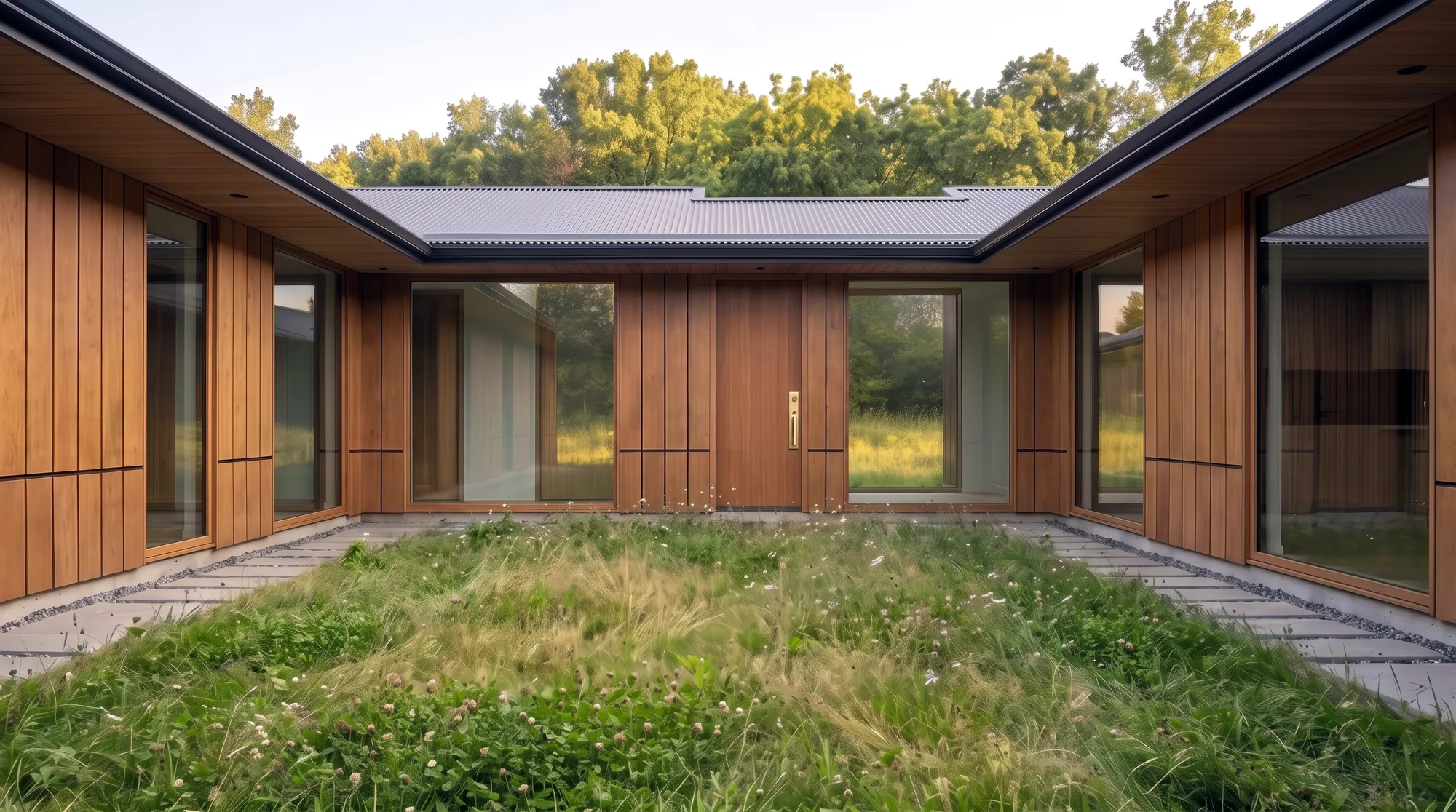
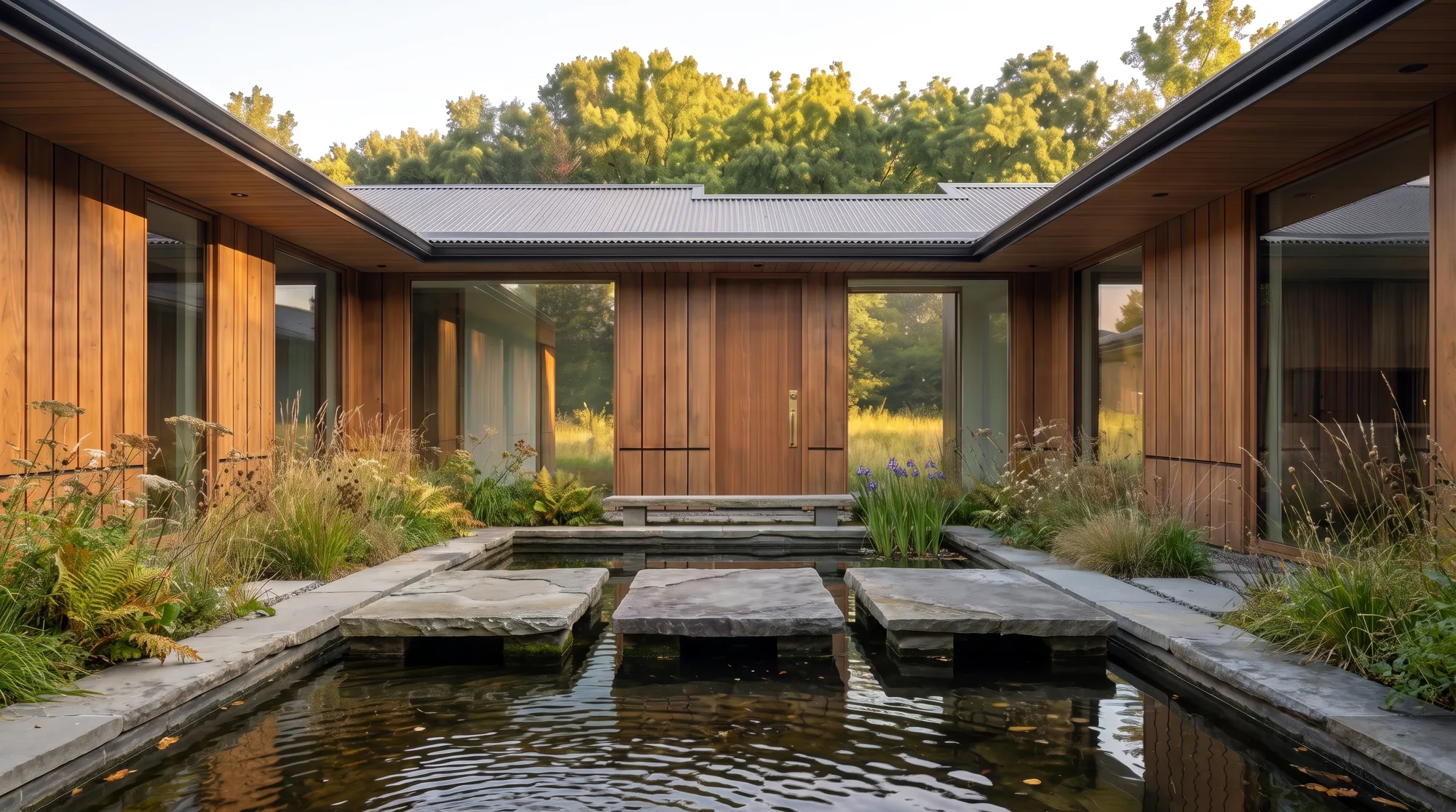
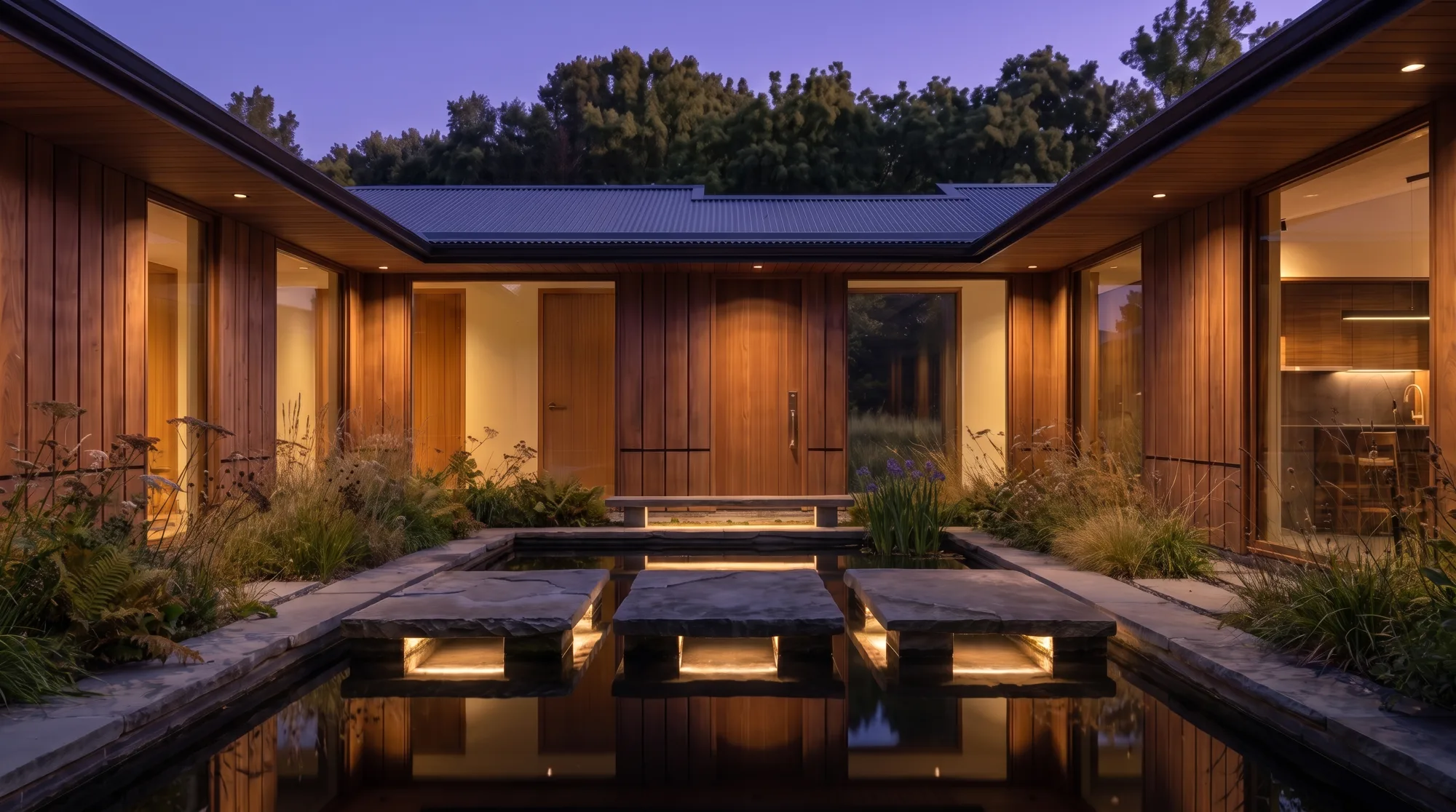
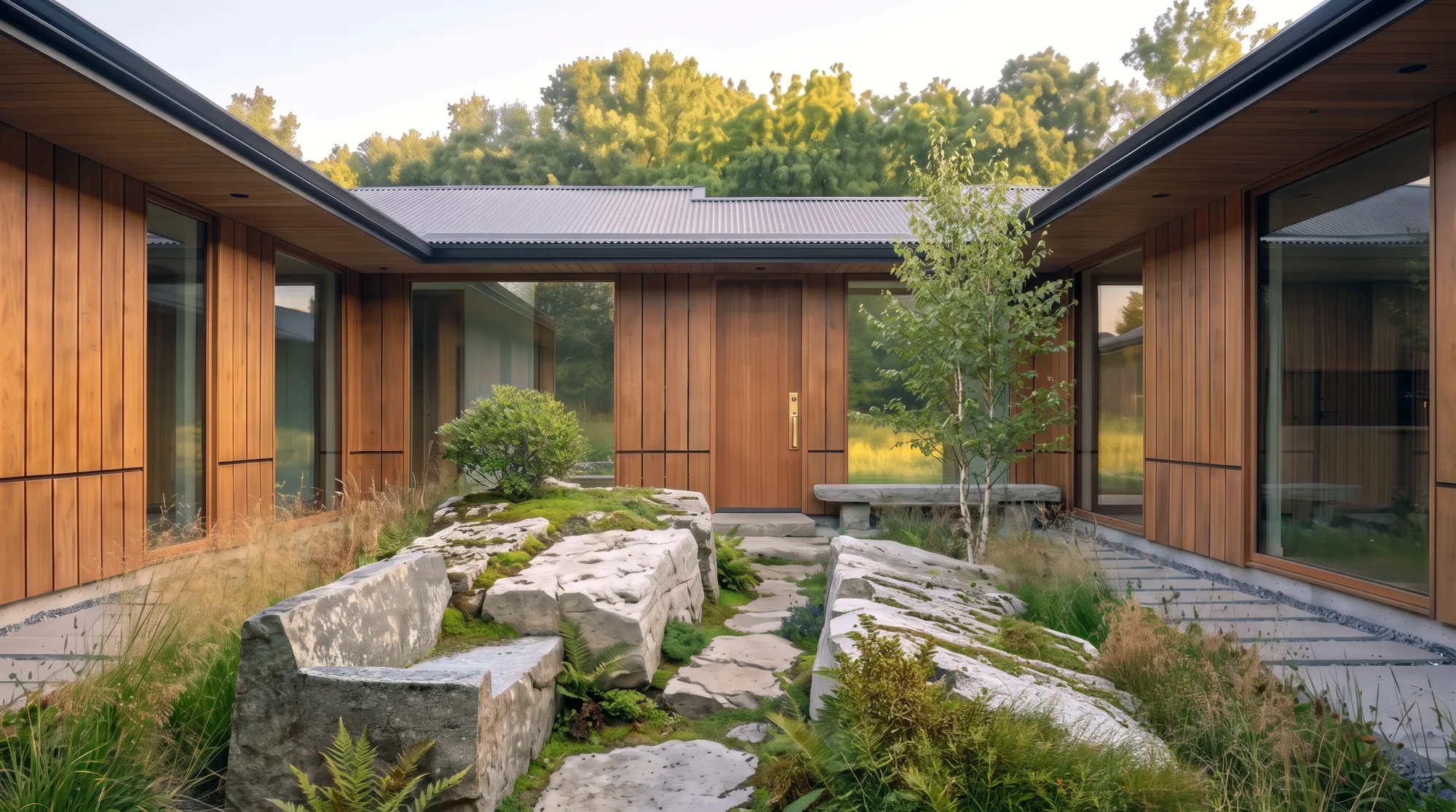
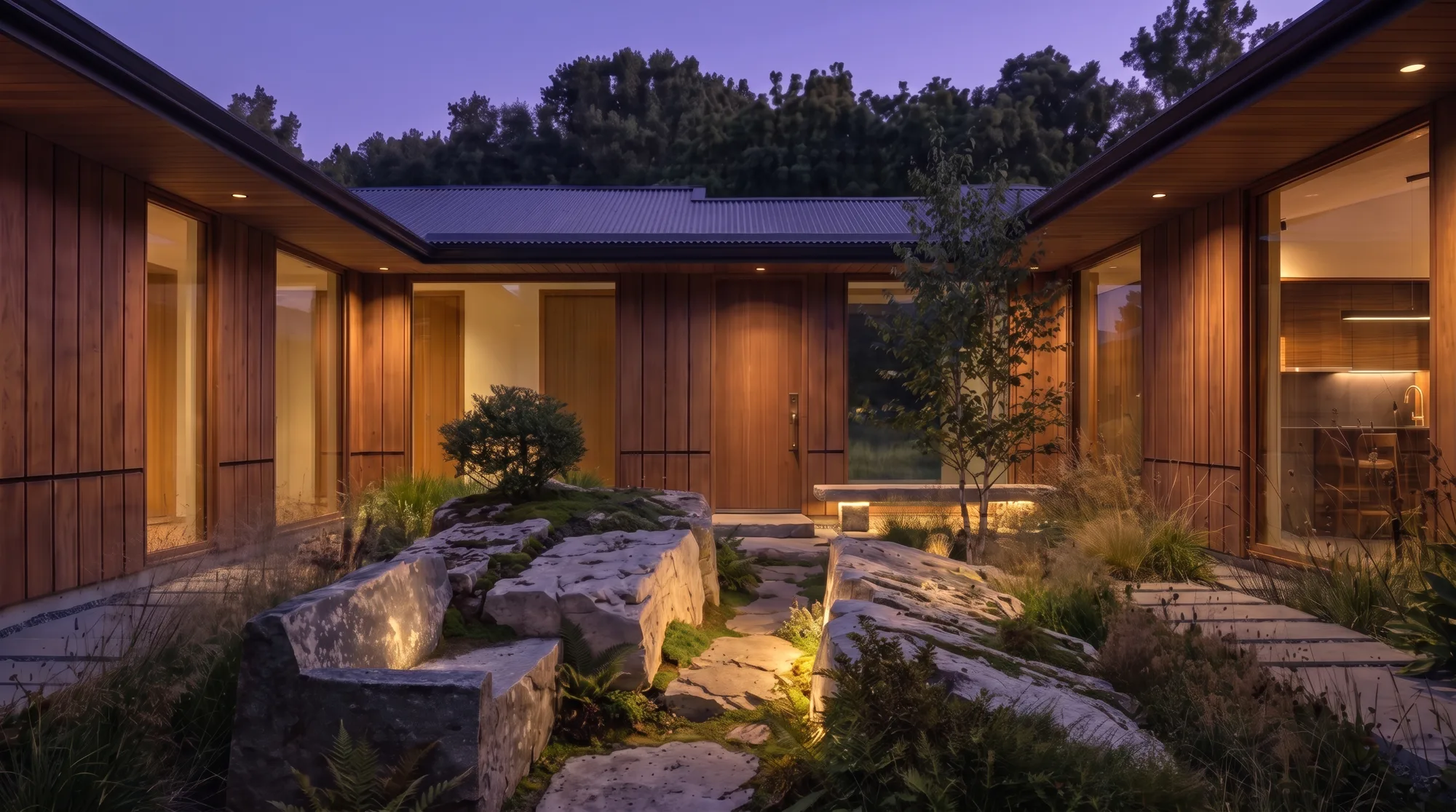
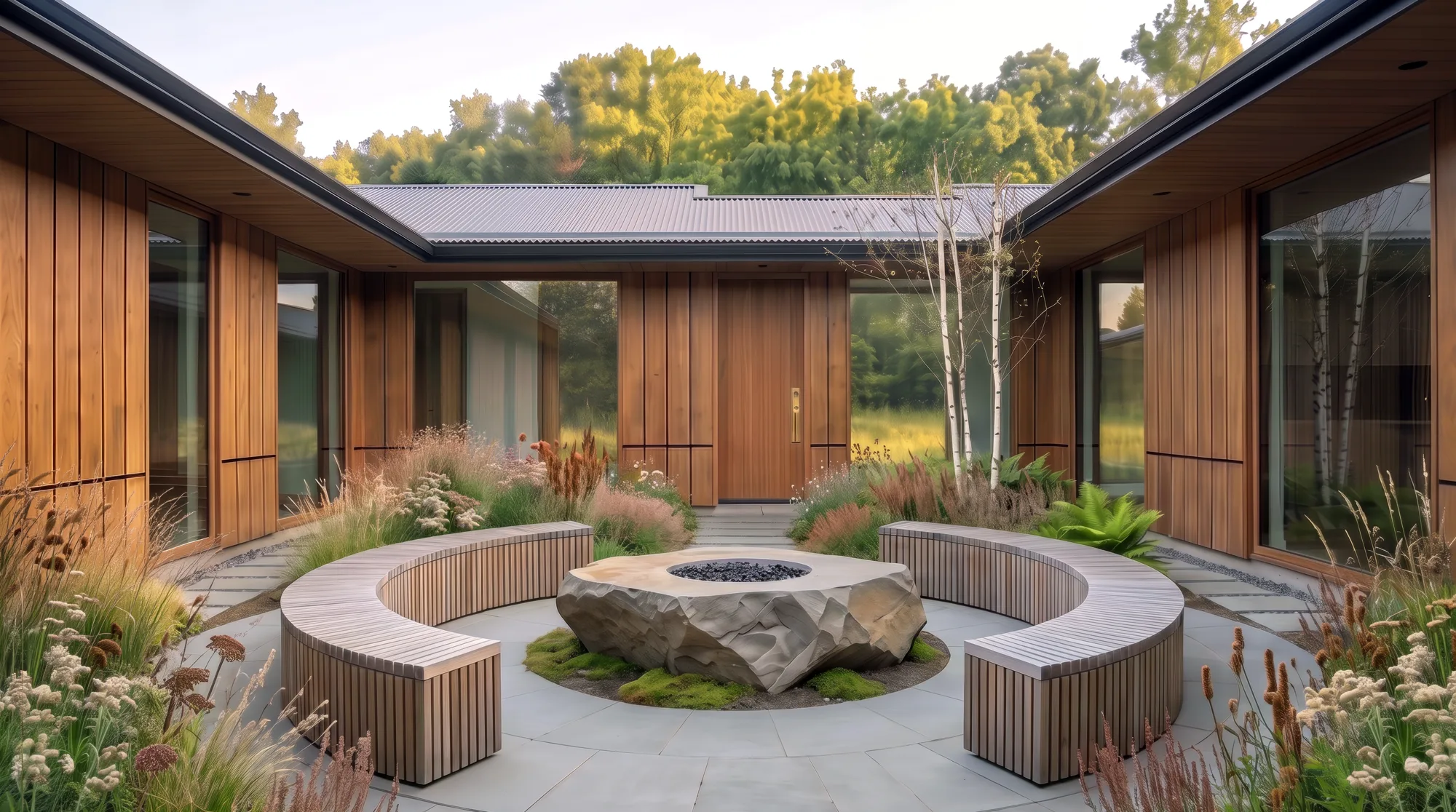
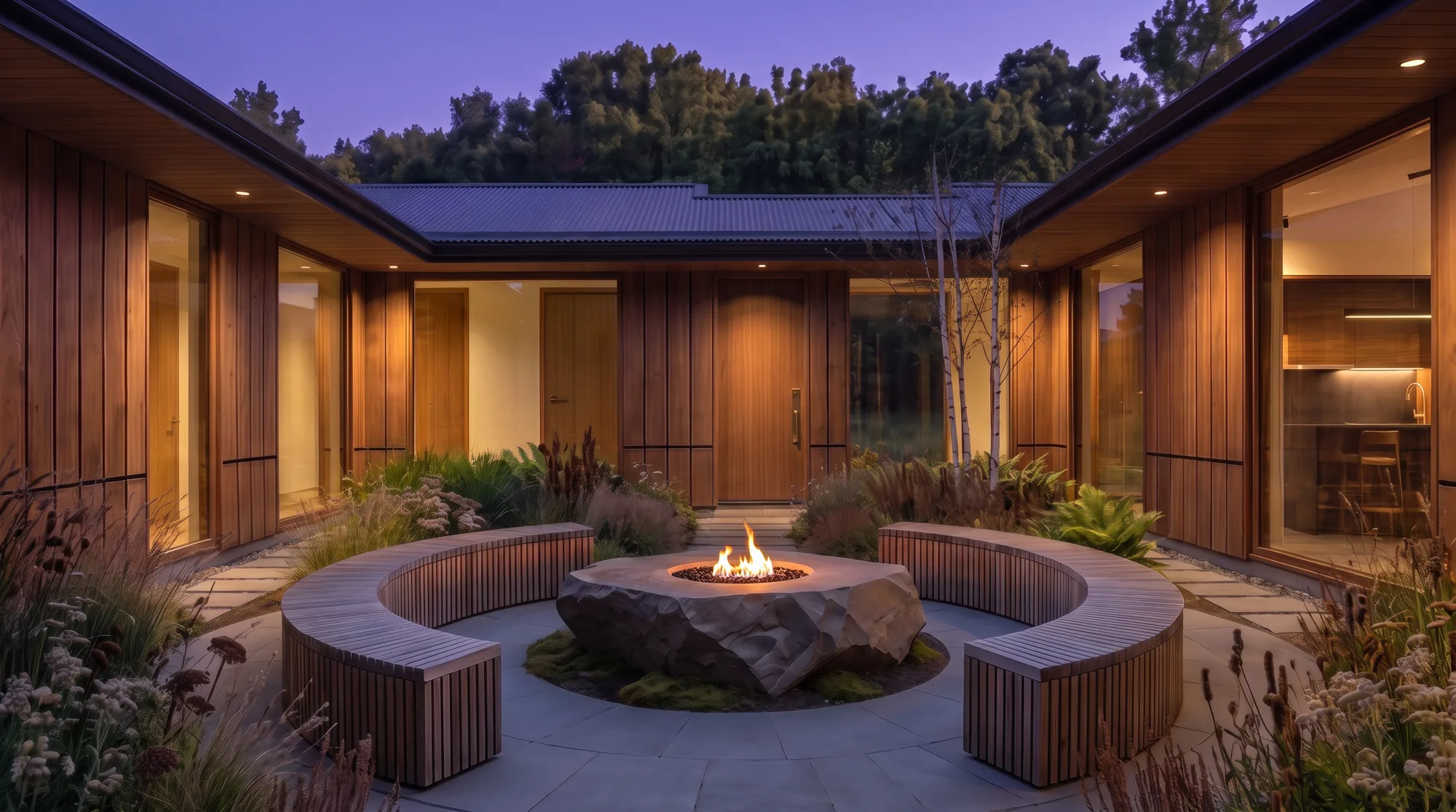
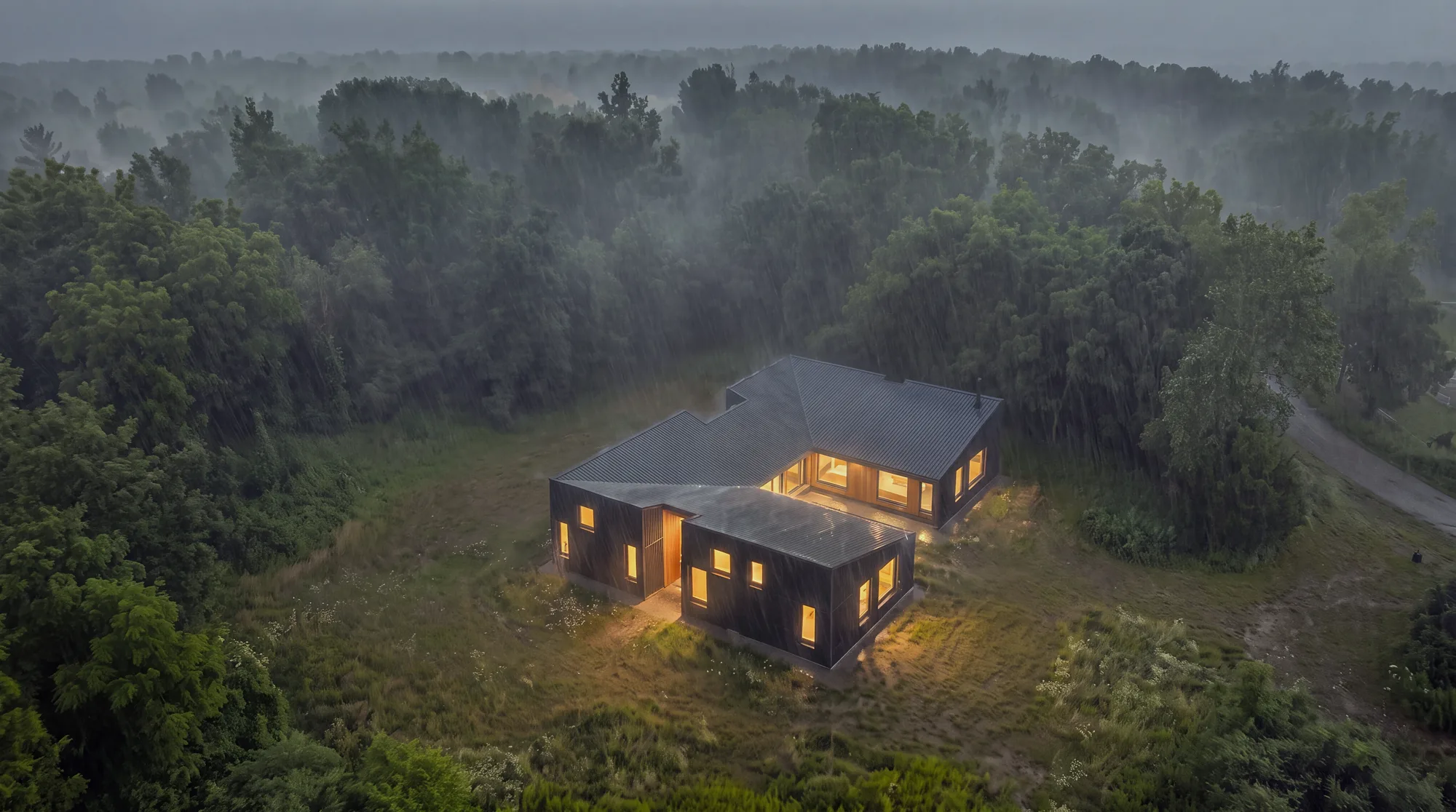
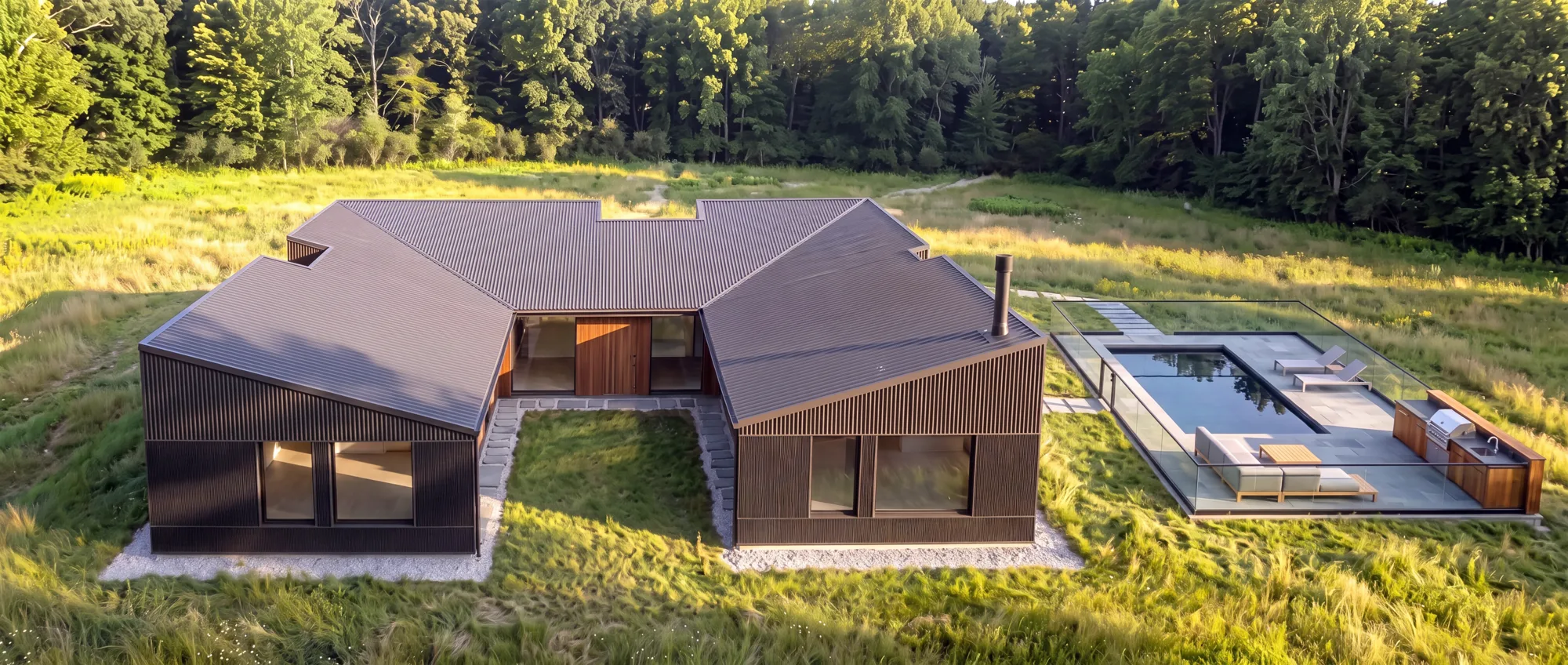
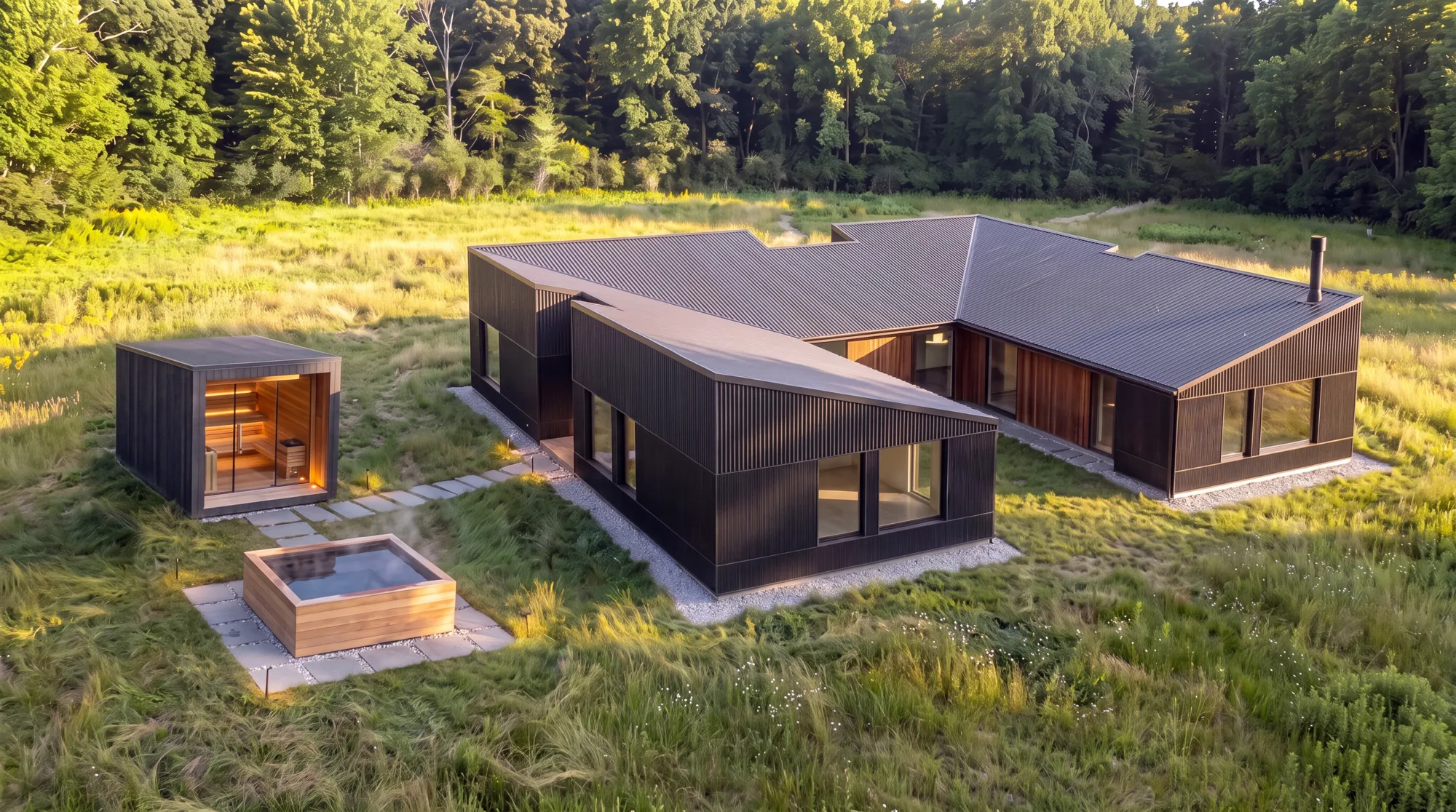
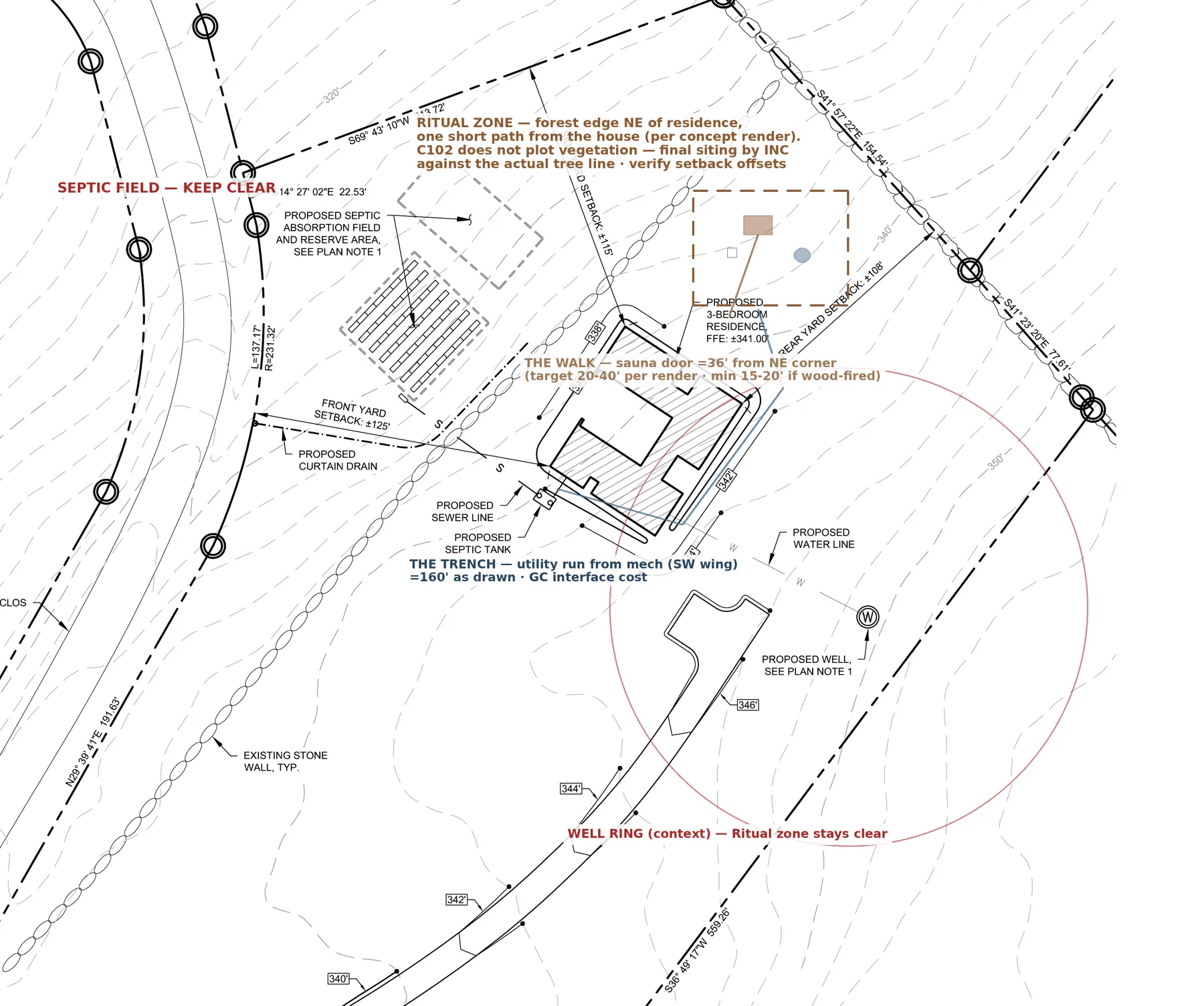
Marketing language makes promises; someone has to make them buildable. HighFell’s amenity program — the courtyard characters, the wellness and gathering packages — runs through a scoping discipline before any number reaches a buyer: the building code researched first, so regulation shapes the design instead of surprising it; the siting drawn to scale on the project’s actual civil and architectural drawings; the scope written vendor-neutral, so every trade prices the same definition.
Each element becomes a one-page specification the developer can hand to any contractor — and the render is measured against the drawing, never the other way around. The drawing is the ruler. The render is the promise. The document is what keeps them telling the same story.
This is the part of the work that never trends: the marketing has an operations spine, and buyers can feel the difference even when they can’t name it.
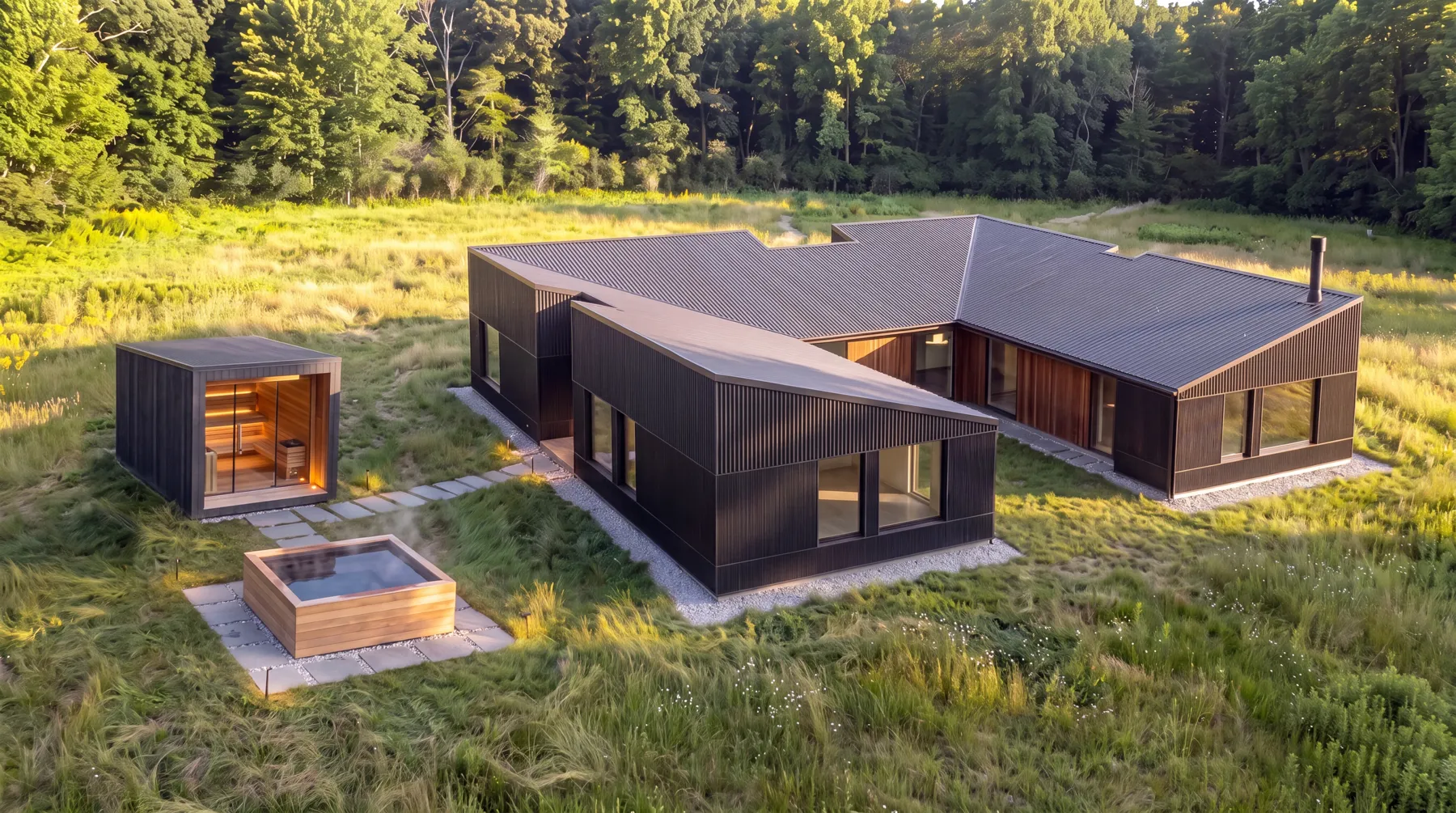
Element names approved July 31; the seven-frame courtyard set approved August 16. All images are architectural renderings, for illustration.
A to-be-built house has nothing to touch, so the materials had to be argued for in advance — not as a finish schedule, but as a set of decisions a buyer could feel the reasoning behind. Six of them became a series: the width of a board, the colour of a gap, a stain mixed for one house, brass that isn’t plated.
Each runs as a ten-second study in motion. Together they say the one thing a spec sheet can’t: that somebody chose.
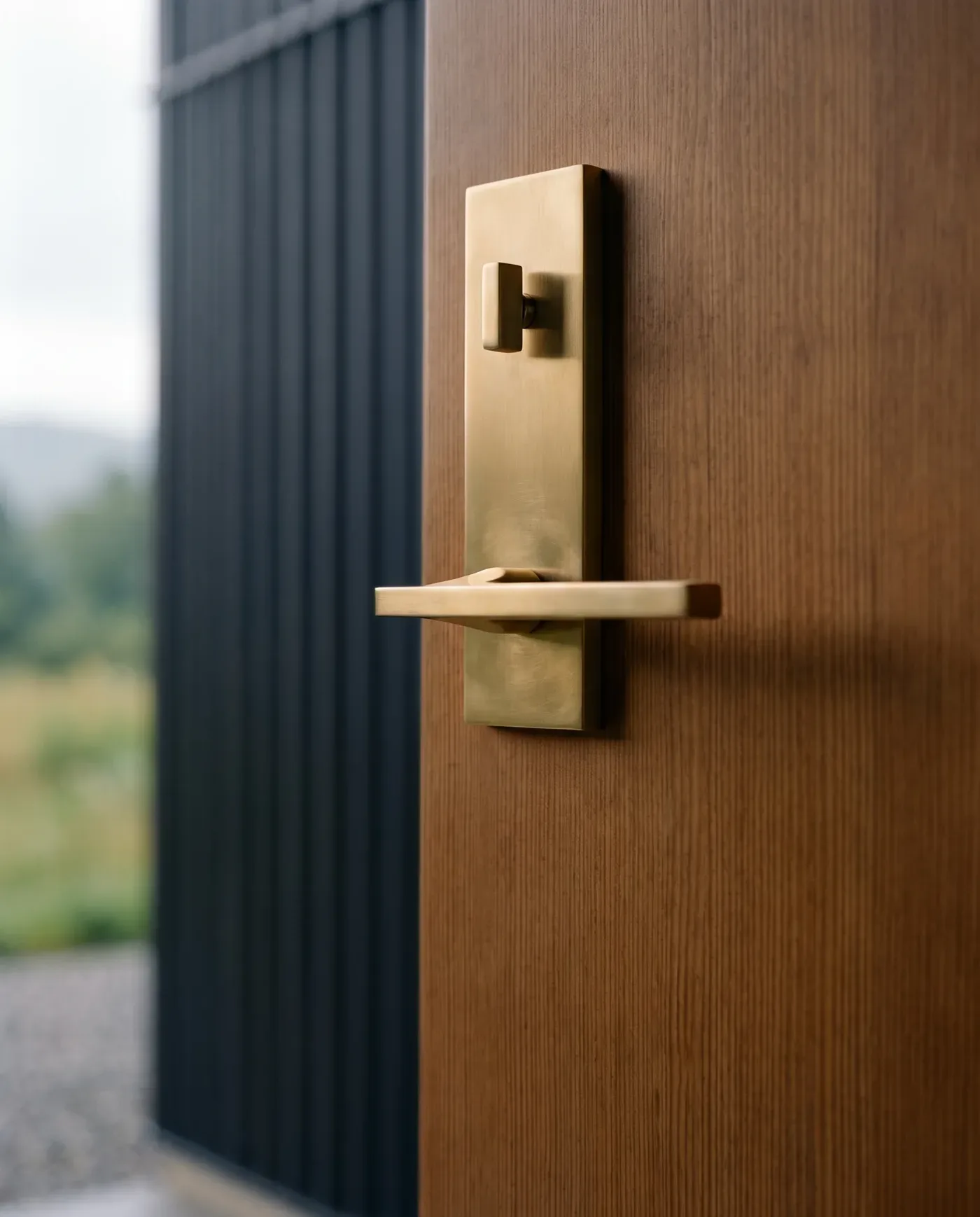
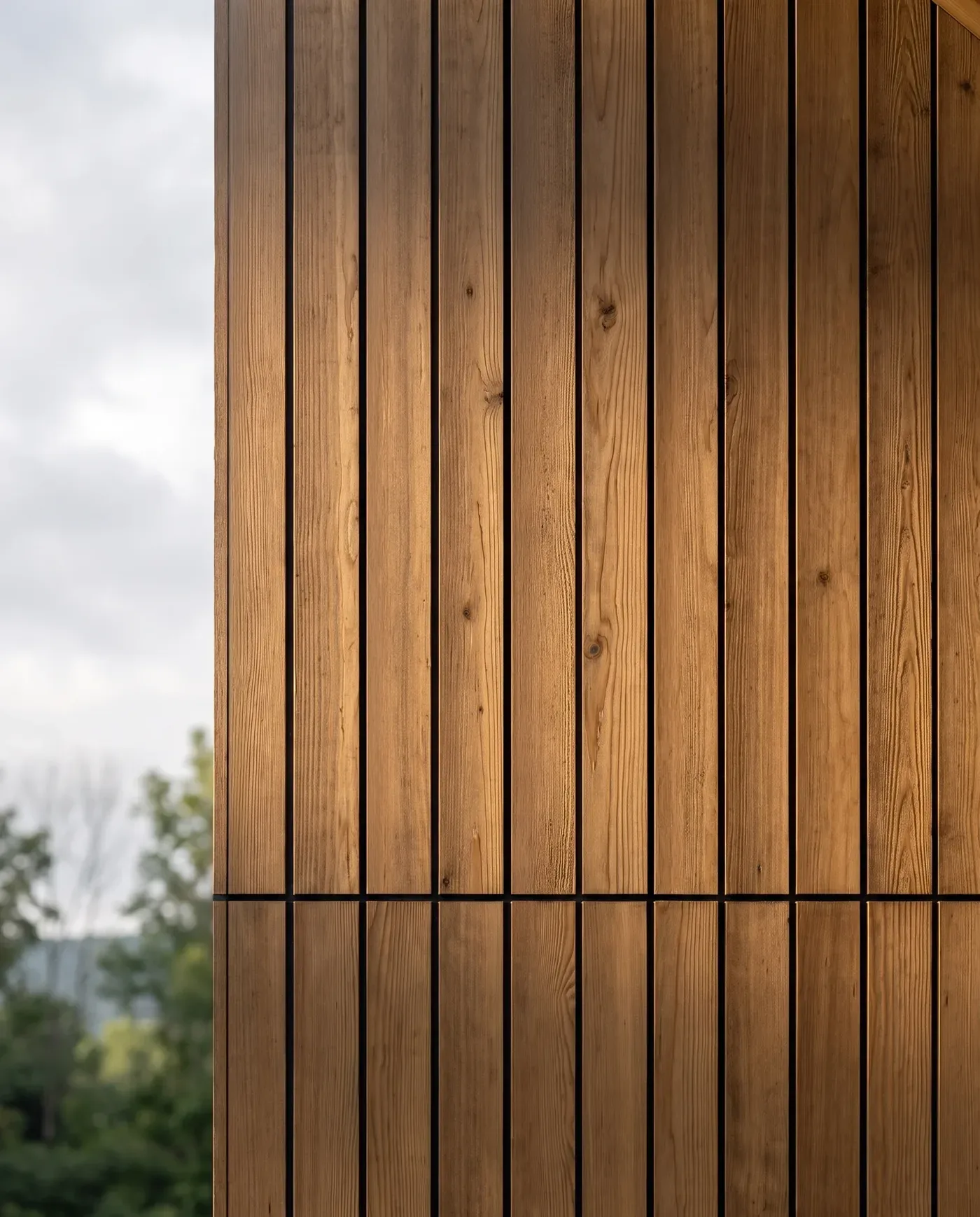
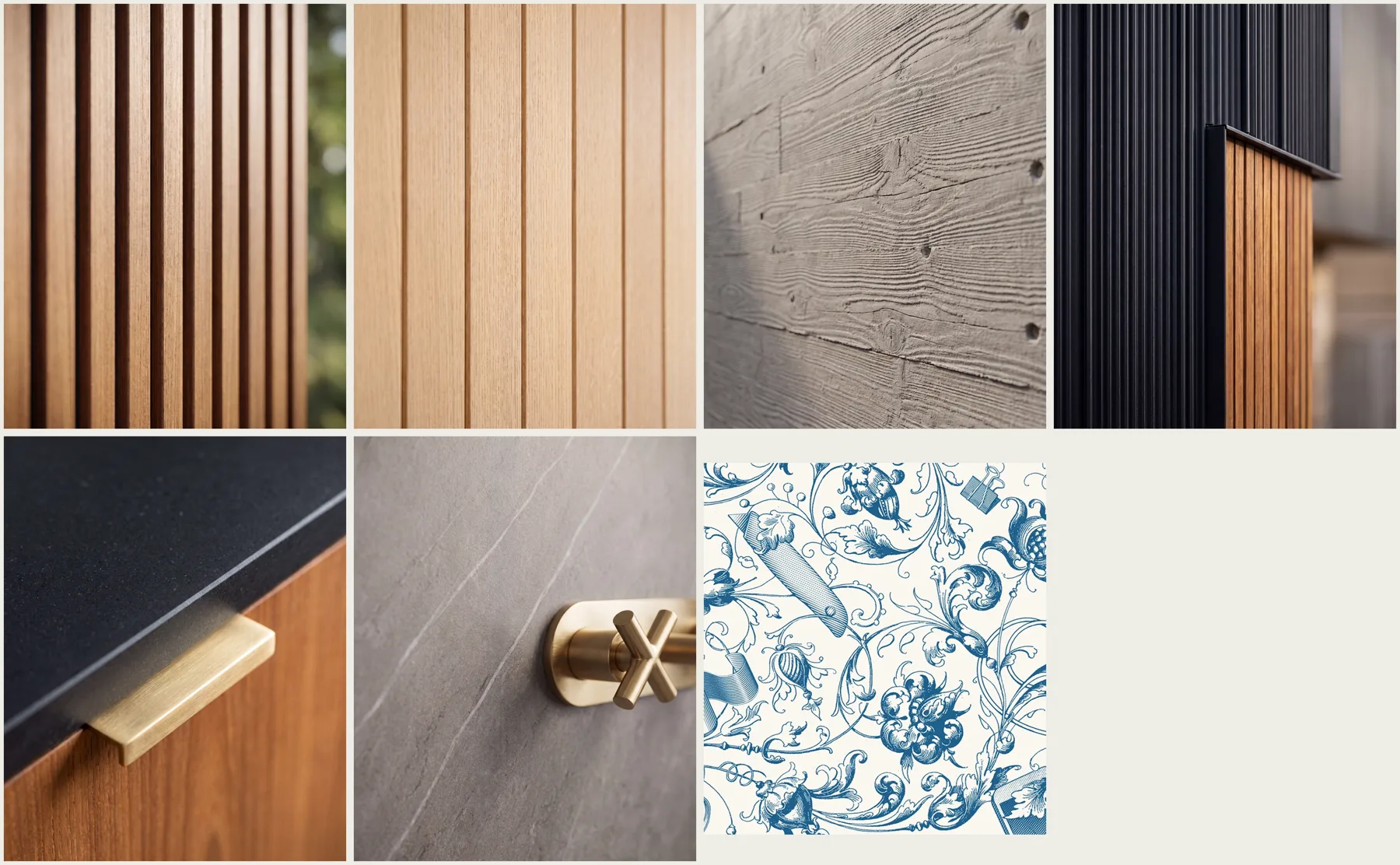
“Every Surface, Considered” — six motion studies, August 2026. Produced in-house.
When HighFell went to market, the listing page didn’t try to be a brochure. It was built as an offering — a long-form dossier that moves the way a visit would: the approach, the land, the architecture in plan and in light, the courtyard characters as short films, the materials, the team. Pricing sits at the end, after the argument for it.
The isometric set below is the house explained without a word — massing, roof, court, the way the wings hold the clearing — built from the architects’ model and rendered in-house. The four films are the courtyard characters in motion.
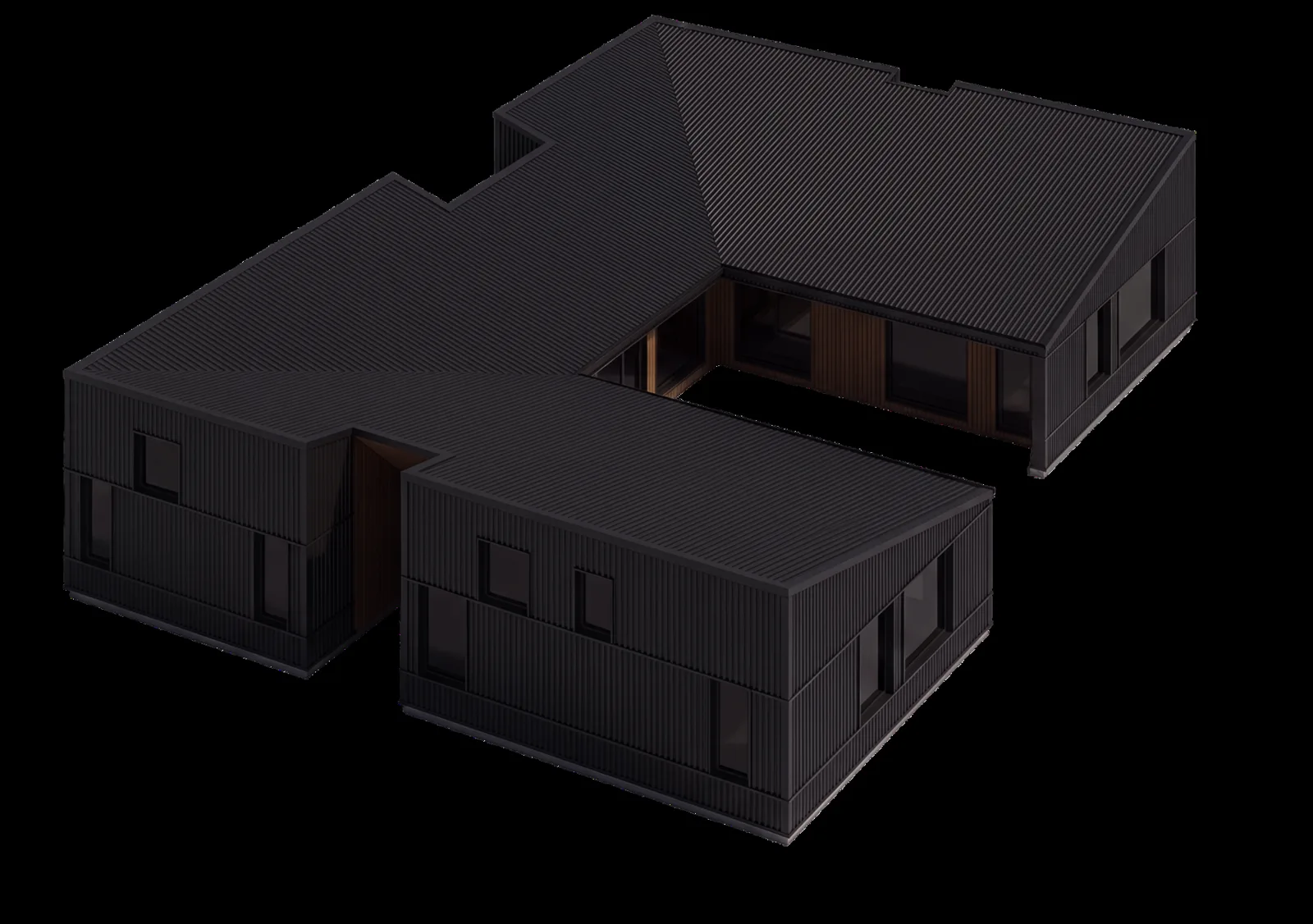
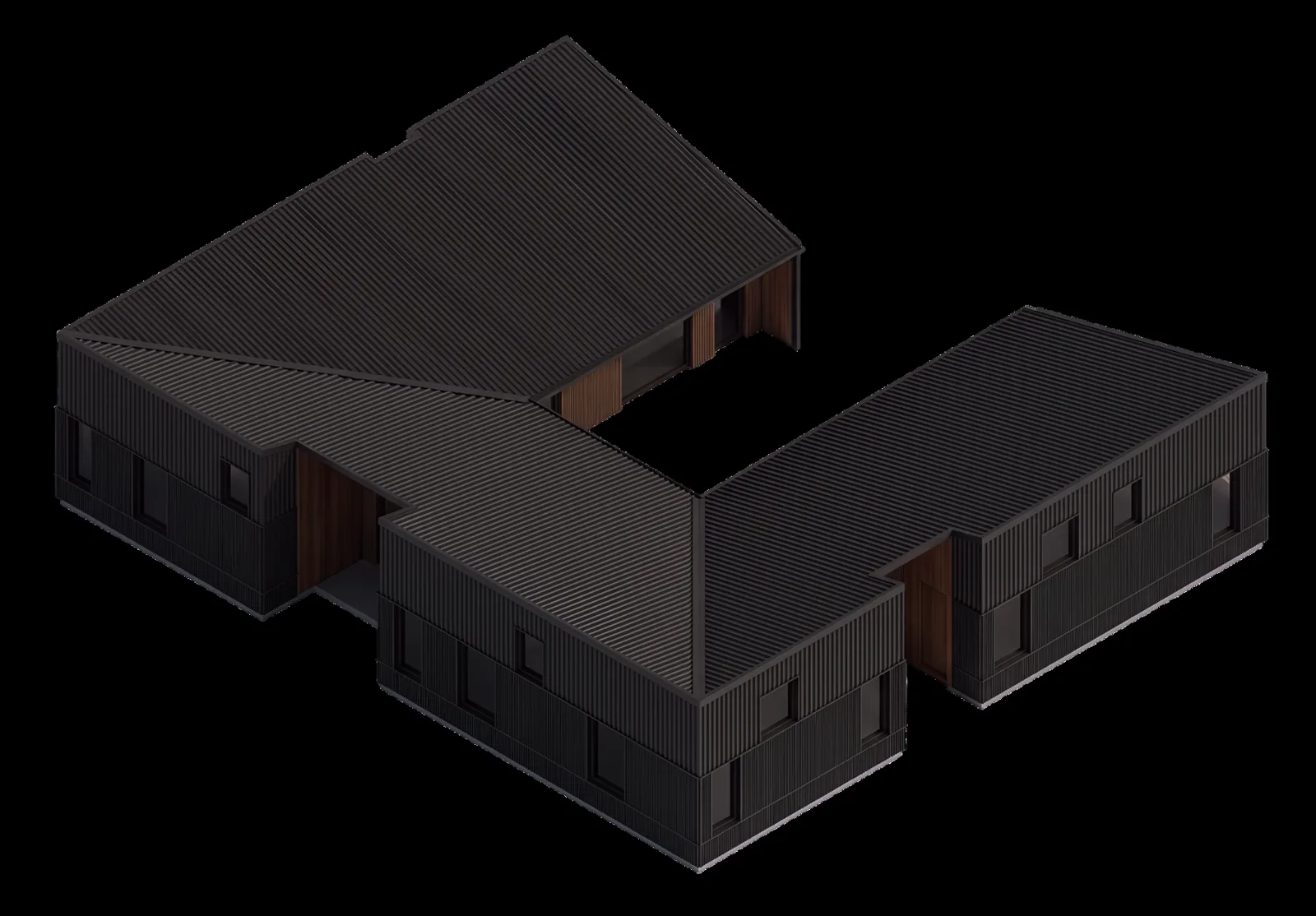
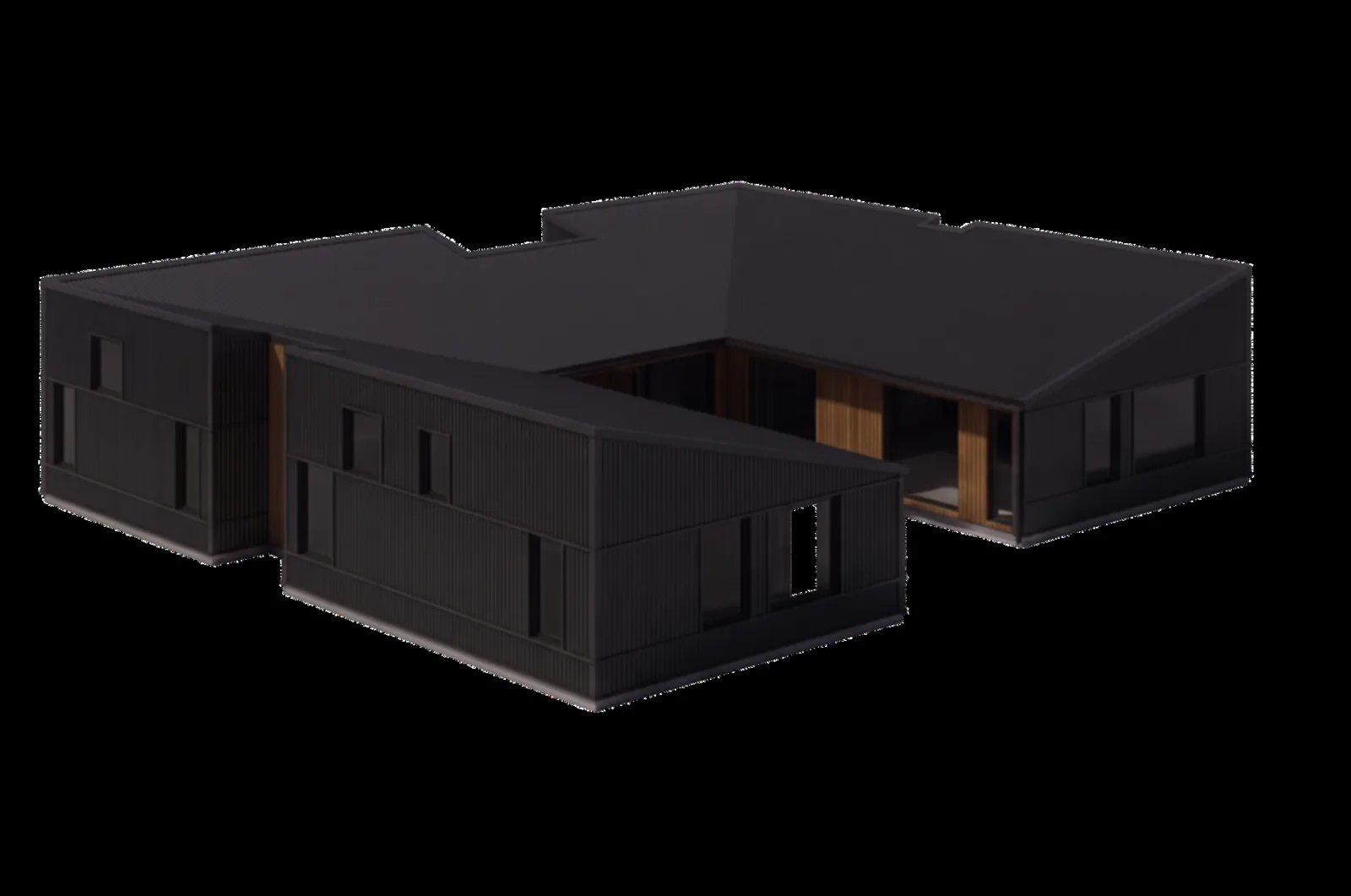
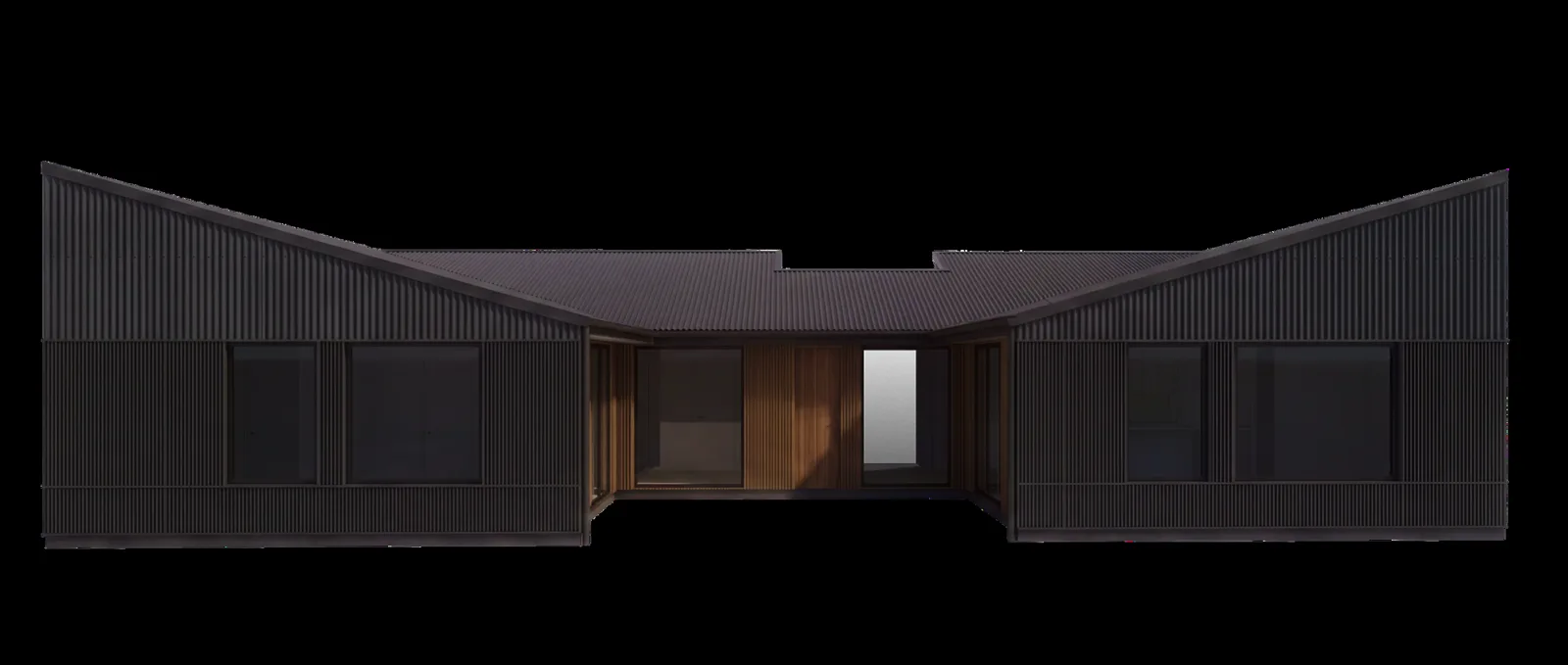
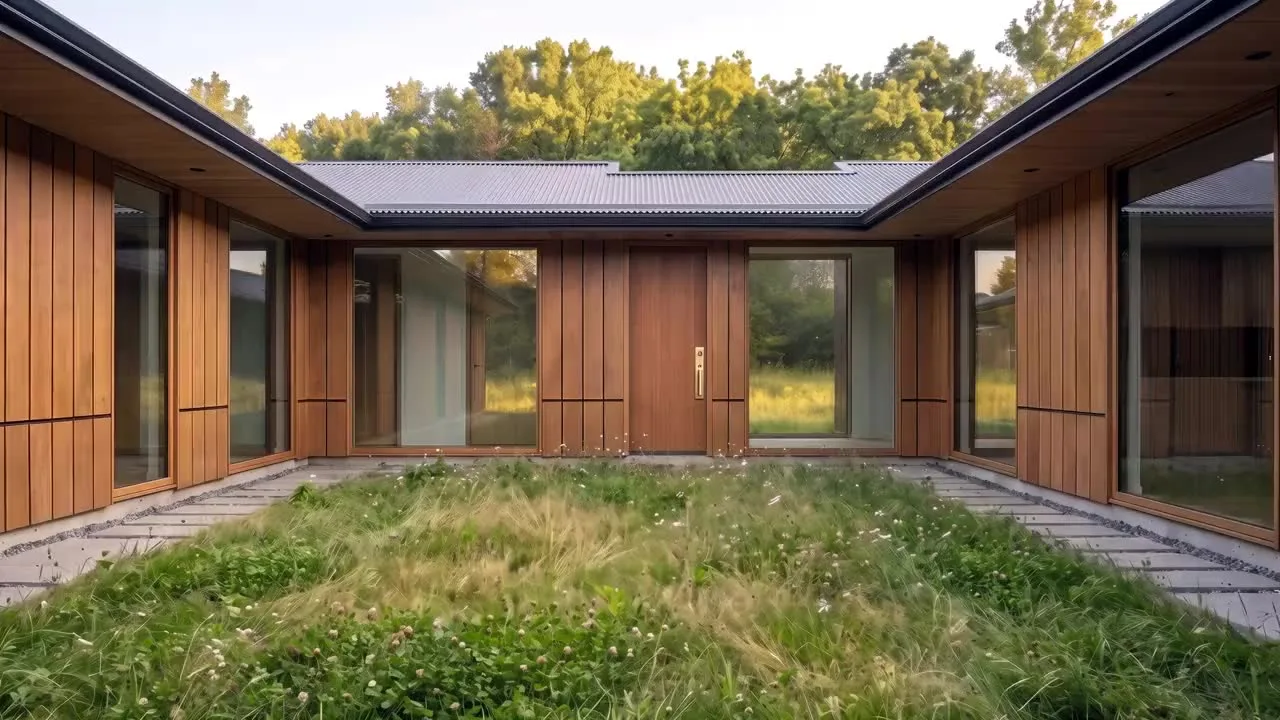
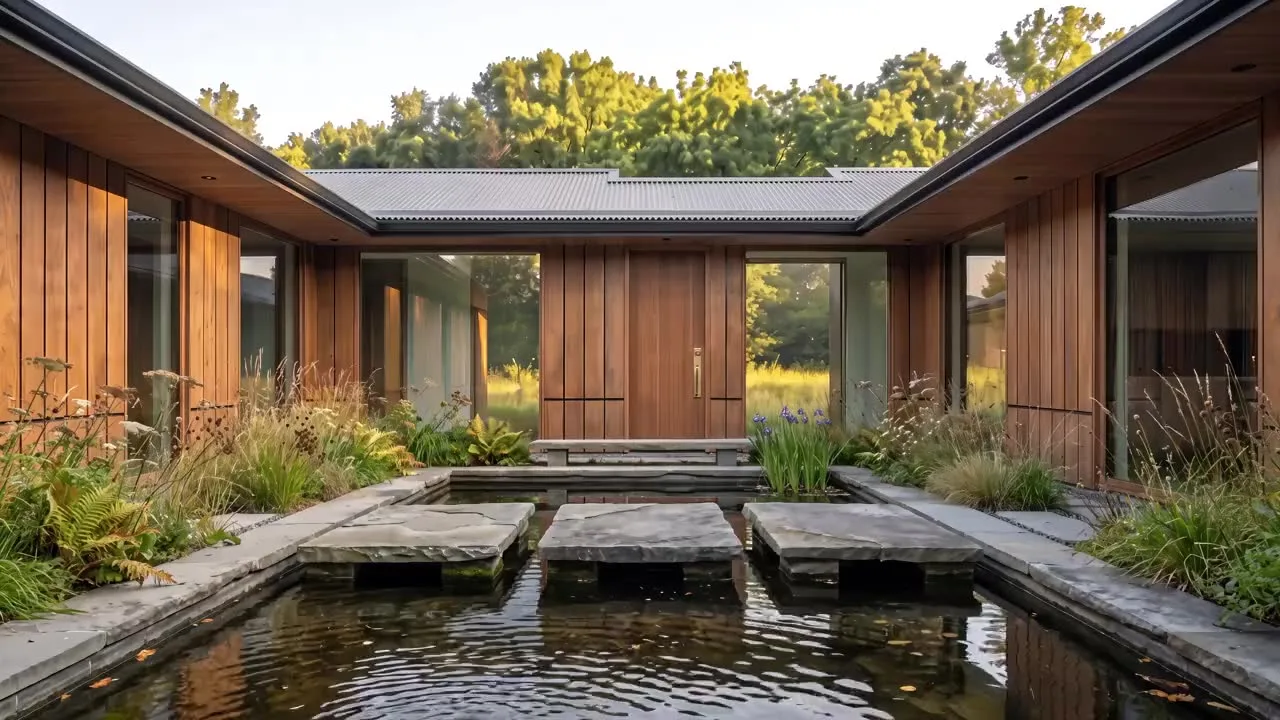
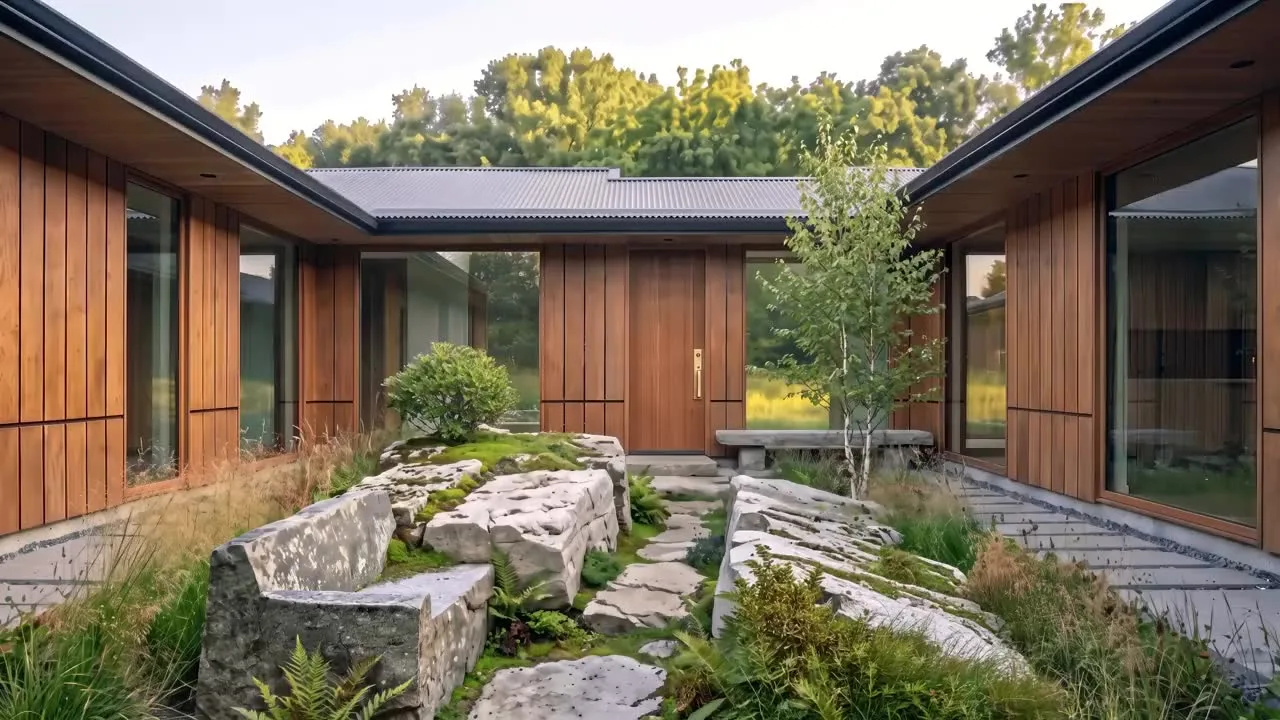
The Offering went live August 20 and was accepted in writing August 24, alongside the Look Book. Imagery is architectural rendering.
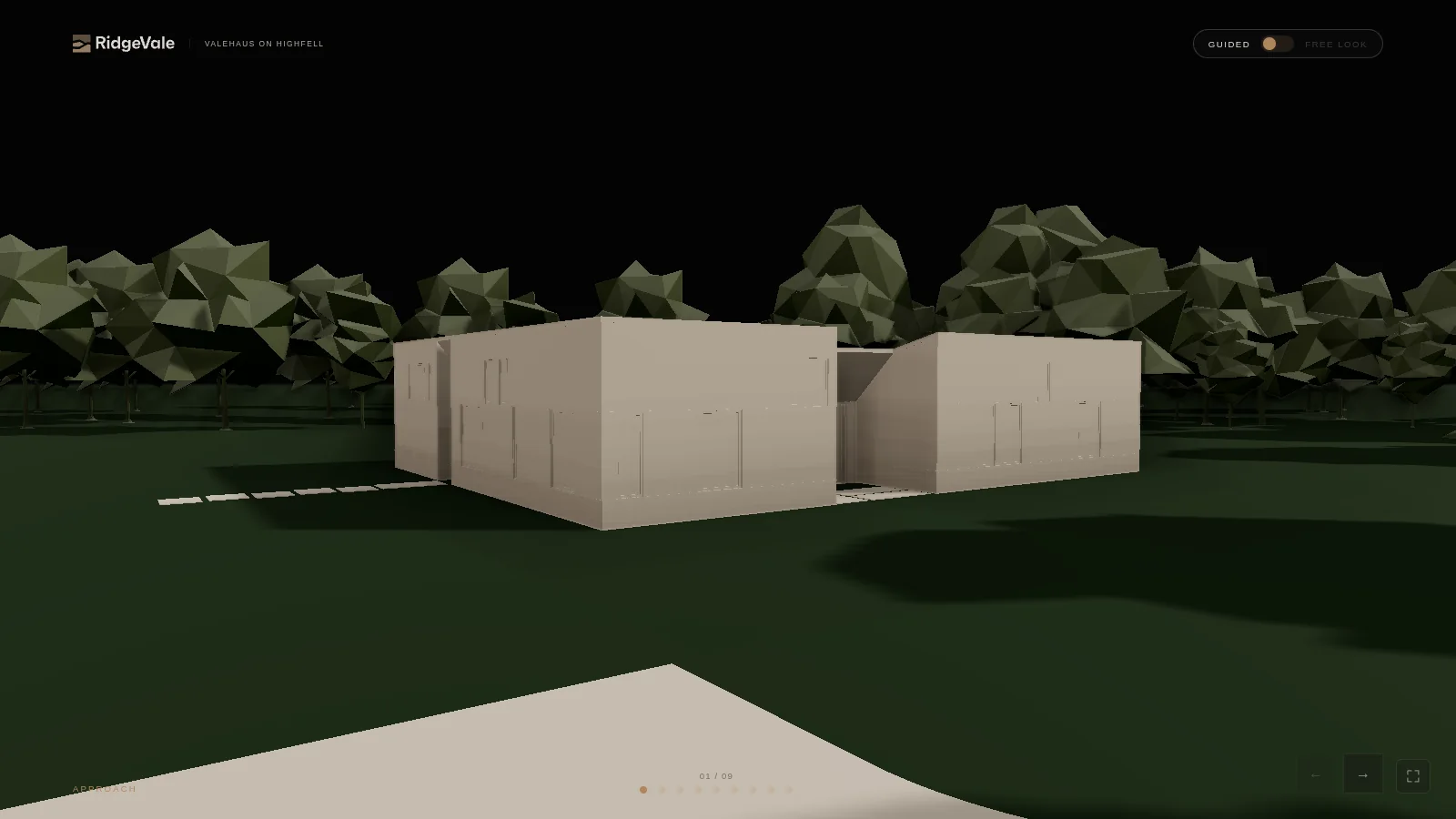
Alongside the scoped work, the studio built something no one had asked for: an interactive walkthrough of ValeHaus on HighFell, assembled from the architects’ massing model and rendered in the browser as a clay study — nine scenes, guided or free, on a laptop or a phone, no app to install.
It was research, not a deliverable — built outside the engagement’s phases, at no cost, to find out how far a buyer could be taken into a house that didn’t exist yet. It stops where a prototype stops, and it is shown as it was left: unlit, unfinished, the house as a volume in the trees. That is the point of showing it — the exploration is part of the work, and the capability is where the work is headed.
HighFell listed in July 2026 — represented by the DHV team, launched by the campaign, carried by a brand that had existed for a full year before it, with NorFell and WesFell held quietly behind it as the next two.
In September the developer took the project in-house. The handover was complete within days — identity, site, source, pipeline, a manifest of every file — and the site runs today under his own hand, unchanged. That was the design: a brand that doesn’t need the studio to keep standing.
This is the work. Upstream. Intentional. Shaped before sold — and built to be handed over.
Engaged early, a brand sits upstream of the architecture, the compliance, the listing — and by the time the work goes to market, it has already done half of its job.
Bring us the land. Then choose the door: representation with the studio behind it, or the studio alone and the keys are yours. Either way, it comes through the same door first.
We take on a small number of engagements each year. A conversation is the first step.
Start a Conversation →